
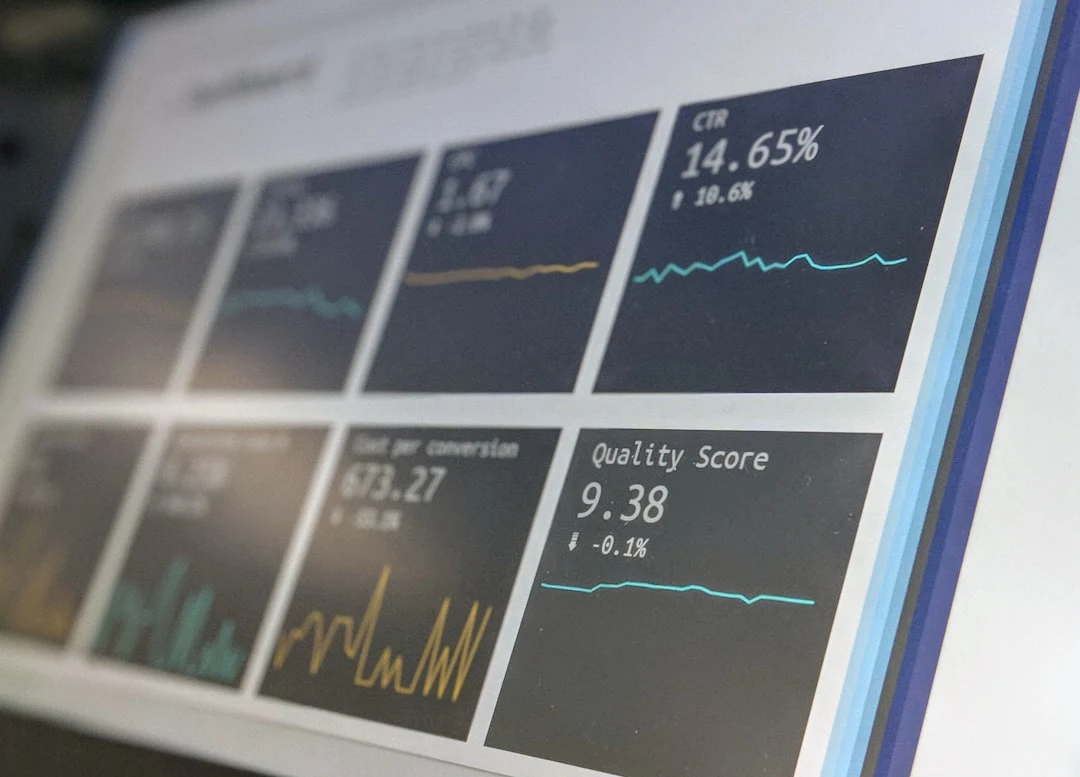
Why Food Tech Startups Focus on AI and Capital Efficiency
Food tech startups are shifting focus from rapid growth to capital efficiency due to a tightening venture capital market. Learn how AI and automation are being used to optimize operations, reduce waste, and build sustainable business models in a new era of investor scrutiny.
The food technology sector has undergone a significant shift in recent years, moving away from a "growth-at-all-costs" model toward a new focus on capital efficiency. This strategic pivot is primarily driven by a tightening venture capital funding environment and increased pressure from investors to demonstrate a clear path to profitability. As a result, startups are rapidly integrating artificial intelligence (AI) and automation to optimize operations, reduce waste, and build sustainable business models, a necessity in a climate where securing follow-on funding has become significantly harder. This new approach prioritizes solving core operational challenges over rapid market expansion.
Key Takeaways on Food Tech's Pivot
- A significant downturn in venture capital funding since 2021 has forced food tech startups to prioritize profitability over unconstrained growth.
- Startups are adopting AI and automation as the primary strategy to achieve capital efficiency by reducing operating costs and minimizing waste.
- Investor interest has shifted toward B2B technologies that offer measurable operational improvements to existing food manufacturers.
- The current market environment rewards companies that demonstrate strong unit economics and a clear path to commercial scalability.
What Is Driving the Shift to Capital Efficiency?
Food tech startups are prioritizing capital efficiency primarily because a tightening venture capital market has ended the era of abundant, low-cost funding. Since the 2021 funding peak, rising interest rates and economic uncertainty have pushed investors to demand clear pathways to profitability rather than simply investing in rapid growth. This shift forces companies to reduce operational burn rates and focus on generating revenue from existing resources, making AI implementation a critical tool for achieving these efficiency goals.
The End of "Easy Money" and VC Downturn
The food tech industry experienced a venture capital boom from 2018 through 2021, driven largely by consumer-facing delivery apps. During this period, funding flowed readily, allowing many startups to prioritize rapid expansion over profitability. The current landscape, however, reflects a significant downturn. Global funding for food tech startups dropped dramatically from a peak of $20.7 billion in 2021 to $6 billion in 2024, representing a two-thirds decrease in capital available for investment. This "flight to quality" by investors has created intense pressure for startups to prove they can scale without consistent capital injections.
Global funding for food tech startups has plummeted by over 70% since its peak in 2021, falling from $20.7 billion to an estimated $6 billion in 2024. This significant downturn has also impacted specific sectors, with investment in alternative protein declining for the third consecutive year, dropping from $5.1 billion to $1.7 billion.
The Pivot from Consumer-Facing to B2B Solutions
In the era of cheap capital, large investments were often directed at high-growth, consumer-facing segments like delivery services, which often relied on heavy subsidies to build market share. As funding has dried up, investors have become wary of these low-margin business models. Instead, capital is now shifting toward B2B technology solutions that provide essential services to established food industry players. Startups that offer efficiency gains in processing, supply chain, and quality control are gaining traction because they offer clear cost-saving benefits to large corporations.
Why AI is the Primary Tool for Cost Reduction
AI has emerged as the core technology for achieving capital efficiency because it directly addresses the high costs associated with labor, raw materials, and operational waste. For food tech companies, AI algorithms can optimize complex processes in real time, reducing the need for manual intervention and minimizing resource consumption. This implementation contrasts sharply with previous generations of food tech innovation, where focus was on novel ingredients or consumer-facing platforms. Today, AI's ability to automate repetitive tasks and provide data-driven insights makes it a direct pathway to improving profit margins.
AI in Supply Chain Optimization and Logistics
The food supply chain is notoriously complex and prone to inefficiencies. AI is being deployed to enhance end-to-end traceability and visibility, helping companies track ingredients from farm to shelf. AI-driven solutions analyze real-time data from sensors and logistics networks to identify bottlenecks and optimize routes. This level of transparency allows companies to respond quickly to supply chain disruptions and ensure products meet regulatory standards, preventing costly errors and enhancing efficiency.
AI for Predictive Demand Forecasting
One of the most significant sources of financial loss in the food industry is overproduction and food waste. Traditional forecasting models rely on historical sales data, which often fails to predict sudden shifts in consumer preferences or seasonal changes. AI algorithms, however, can analyze vast datasets, including market trends, weather patterns, and social media sentiment, to create highly accurate demand predictions. This predictive capability allows companies to optimize inventory levels and production schedules, drastically reducing overstocking and decreasing food waste.
The Rise of AI-Powered Quality Control
Ensuring consistent product quality and safety is essential, but traditional methods, often involving manual inspection, are slow and error-prone. AI-powered computer vision systems are now performing automated quality control inspections. These systems can detect subtle defects or foreign objects on a high-speed production line in real-time, far faster and more accurately than human inspectors. By automating inspection, companies improve product consistency, enhance food safety, and avoid expensive recalls, thereby improving overall operational efficiency.
The Role of Predictive Maintenance
Equipment downtime in food processing facilities leads to costly production losses and potential food safety risks. AI-powered predictive maintenance systems analyze sensor data from machinery to identify early signs of wear and tear. By predicting potential equipment failure before it occurs, these systems allow companies to schedule maintenance proactively, minimizing unplanned downtime and extending the life of capital assets. This approach significantly lowers operational expenses and boosts productivity, directly contributing to capital efficiency.
What Many Articles Miss: The Shift from Novel Ingredients to Process Tech
While much of the media attention on food tech has historically focused on innovative ingredients like alternative proteins or cultivated meat, many startups in these sectors faced high costs and long regulatory timelines. What many articles miss is the recent shift in investor focus toward process-oriented B2B technology. Investors are increasingly favoring companies that leverage AI to streamline existing processes rather than those developing entirely new food products, as the latter often requires more capital and faces a higher barrier to commercial adoption.
Food Tech Funding Trends: 2021 vs. 2024
undefined
| Metric | 2021 (Peak) | 2024 (Current Market) | Impact and Trend |
|---|---|---|---|
| Global Food Tech Funding | $20.7 Billion | $6.0 Billion (Estimated) | Decrease: Over 70% decrease in overall investment volume, creating intense pressure on startups. |
| Investment in Alternative Protein | $5.1 Billion | $1.7 Billion | Downturn: Declining for a third consecutive year; investors are cautious about high-cost production. |
| Investment in AI/Automation | N/A (Low prioritization) | High prioritization | Surge: Nearly half of food companies plan to invest in AI and supply chain solutions by 2025. |
| Investor Focus | Growth at All Costs | Capital Efficiency & Profitability | Shift: Investors demand a clear path to generating revenue, prioritizing operational improvements over market expansion. |
- How AI Integration Is Transforming Personalized Nutrition and Sustainable Food Systems
- How Will Technology Reshape Personalized Nutrition Trends in 2026?
- Why Nutrition Starts Long Before the Plate: The Impact of Upstream Factors on Food Quality
- The AI Revolution in Nutrition: From Personalized Diets to Sustainable Food Systems
- The AI Revolution in Food Science: Precision Nutrition, Gut Health, and Sustainable Systems
- How AI Is Transforming Nutrition and Sustainable Food Systems
- What Does Kedaara Capital Selling Universal NutriScience Stake Mean?
- How Do Whole Plant Foods Reduce Cancer Risk and Support Treatment?
Frequently Asked Questions
How did the funding environment change so quickly?
The change began in late 2022 as rising inflation prompted central banks to increase interest rates. This made capital more expensive and shifted investor focus away from long-term, speculative growth toward short-term profitability.
Does this mean the "alternative protein" sector is dead?
No, but it faces greater scrutiny. The sector is consolidating, with investors favoring companies with strong intellectual property and lower production costs. The focus is shifting from consumer-packaged goods to ingredient-level solutions.
How specifically does AI reduce food waste?
AI reduces food waste primarily through enhanced demand forecasting and quality control. By accurately predicting consumer demand, AI prevents overproduction. During processing, AI-powered computer vision detects defects in real time, preventing full batches from being discarded later.
Are large food corporations adopting this technology?
Yes. Major corporations like Nestlé and Danone are partnering with tech startups and implementing AI for visual inspection and quality control in their production facilities. This adoption demonstrates the commercial viability and growing market need for these efficiency solutions.
