
How Do Whole Plant Foods Reduce Cancer Risk and Support Treatment?
Learn how whole plant foods reduce cancer risk by providing fiber, antioxidants, and phytochemicals. Discover how a plant-rich diet supports gut health, lowers inflammation, and inhibits cancer cell proliferation, offering benefits for both prevention and treatment support.
A primary concern for many adults is whether dietary choices can influence cancer risk. While no single food can cure cancer, decades of nutritional research show that dietary patterns significantly impact cellular processes that either inhibit or accelerate cancer development. Understanding these mechanisms provides clarity on why specific food groups, particularly whole plant foods, form the cornerstone of evidence-based prevention strategies and supportive care. This guide outlines the specific pathways through which a plant-rich diet modifies cancer risk and improves outcomes.
Key Takeaways for Cancer Prevention
- The protective benefits of plants come from the synergy of nutrients in whole foods, not isolated supplements.
- Dietary fiber protects against colorectal cancer by improving gut health and lowering hormone levels, particularly estrogen.
- A plant-centric diet lowers IGF-1 levels, which slows down cellular proliferation and reduces the risk of cancer progression.
- For cancer survivors, a plant-rich diet can improve quality of life and reduce treatment side effects by enhancing immune function.
How do whole plant foods reduce cancer risk and improve prognosis?
Whole plant foods reduce cancer risk primarily through their high content of fiber, antioxidants, and phytochemicals. These compounds counteract oxidative stress, reduce inflammation, and inhibit cancer cell proliferation. Dietary fiber also supports gut health and estrogen metabolism, further lowering risk. For patients undergoing treatment, a plant-rich diet can improve outcomes by enhancing immune response and reducing treatment side effects.
The Role of Fiber in Gut Health and Estrogen Metabolism
Dietary fiber, found exclusively in plant foods, plays a critical role in cancer prevention by supporting gut health. Fiber acts as a prebiotic, feeding beneficial gut bacteria which produce short-chain fatty acids (SCFAs) like butyrate. Butyrate has been shown to inhibit cancer cell growth, particularly in the colon. Furthermore, fiber helps regulate hormone levels by binding to excess estrogen in the digestive tract, preventing its reabsorption into the bloodstream. This mechanism is particularly important for reducing the risk of hormone-sensitive cancers, such as breast cancer.
Research from the American Institute for Cancer Research indicates that high dietary fiber intake can reduce colorectal cancer risk by approximately 30%. Conversely, consuming processed meat daily increases colorectal cancer risk by about 18%. A diet rich in whole grains is associated with a 17% reduction in overall cancer risk.
Antioxidants and the Reduction of Oxidative Stress
Oxidative stress, caused by an imbalance between free radicals and antioxidants, damages DNA and cellular structures, initiating cancer development. Whole plant foods are the richest sources of antioxidants, including vitamin C, vitamin E, and carotenoids. These compounds neutralize free radicals and protect DNA integrity. By consistently providing a high intake of antioxidants, a plant-rich diet minimizes cumulative oxidative damage over time, thereby reducing long-term cancer risk.
Phytochemicals and Anti-Proliferation Mechanisms
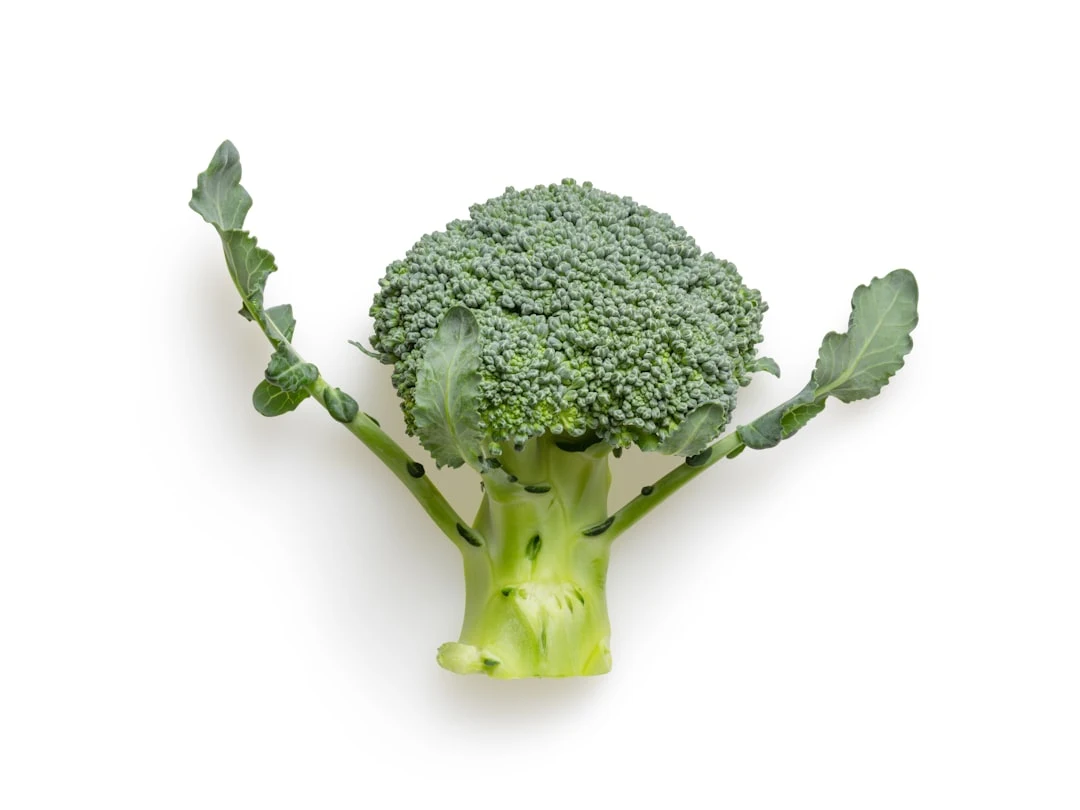
Phytochemicals are compounds produced by plants that have protective effects in the human body. Specific phytochemicals, such as sulforaphane found in cruciferous vegetables (like broccoli sprouts) and lycopene in tomatoes, are powerful anti-cancer agents. Research suggests these compounds actively interfere with cancer cell pathways by inhibiting cell proliferation and inducing apoptosis (programmed cell death). They also prevent angiogenesis, the process by which tumors form new blood vessels to sustain growth.
The IGF-1 Pathway and Cancer Acceleration
A key mechanism often overlooked in dietary discussions is the insulin-like growth factor 1 (IGF-1) pathway. IGF-1 promotes cell growth and proliferation. High levels of animal protein intake, especially from dairy and red meat, stimulate IGF-1 production. A whole food plant-based diet, which minimizes animal protein, naturally lowers IGF-1 levels. This reduction in growth signaling can slow down cancer progression, making this dietary approach beneficial not only for prevention but also as supportive care during recovery.
The Anti-Inflammatory Effect of Whole Plant Fats
Chronic inflammation creates an environment conducive to cancer growth. While refined plant oils can be pro-inflammatory, whole plant foods provide fats in a balanced form. Omega-3 fatty acids, found in flaxseeds, chia seeds, and walnuts, have potent anti-inflammatory properties that counteract chronic inflammation. Unlike animal sources of fat, which often come with inflammatory saturated fats, whole plant fats provide essential fatty acids in a protective package alongside fiber and antioxidants.
Clarification: Whole Foods vs. Supplements
What many articles miss is the synergistic nature of whole foods. The cancer-fighting properties of plants are not due to a single nutrient in isolation. The combined action of fiber, antioxidants, vitamins, and phytochemicals provides benefits far beyond what a supplement can offer. A meta-analysis of studies on beta-carotene supplementation, for example, failed to show the same protective effects found in foods rich in beta-carotene. For maximum benefit, a focus on consuming whole foods over isolated supplements is essential.
The American Institute for Cancer Research Guidelines
Leading institutions, including the American Institute for Cancer Research (AICR), strongly recommend a plant-rich diet. The AICR’s guidelines emphasize consuming at least 2.5 cups of non-starchy vegetables and fruits daily, along with whole grains and legumes. These recommendations are grounded in extensive research showing that dietary patterns, rather than single "superfoods," offer the most reliable protection against various cancer types, particularly those linked to diet like colorectal and breast cancer.
Impact on Cancer Treatment Side Effects and Quality of Life
Beyond prevention, a plant-rich diet can be crucial for patients undergoing active cancer treatment. The high fiber content in plant foods helps mitigate common side effects like constipation, a frequent issue during chemotherapy. Furthermore, plant-based diets support a strong immune system through their high nutrient density. Patients adhering to these diets often report fewer treatment interruptions and a higher overall quality of life during chemotherapy and radiation.
Clarification: Plant-Based vs. Vegan Diets
It is important to differentiate between a whole food plant-based (WFPB) diet and a vegan diet. While both exclude animal products, a vegan diet can still consist primarily of processed foods, refined sugars, and oils, which lack the protective nutrients and fiber of whole foods. A WFPB approach focuses on unprocessed foods (fruits, vegetables, legumes, whole grains, nuts, and seeds) to maximize health benefits and minimize cancer risk factors.
Dietary Patterns and Cancer Risk Reduction (AICR)
undefined
| Dietary Component | Primary Mechanism | Impact on Cancer Risk (Colorectal) | Supporting Evidence |
|---|---|---|---|
| Dietary Fiber | Reduces transit time, binds estrogen, produces SCFAs (Butyrate) | ~30% Risk Reduction | Large cohort studies show strong inverse correlation between fiber intake and colorectal cancer. |
| Cruciferous Vegetables | Source of sulforaphane, indole-3-carbinol | Variable Risk Reduction | Research indicates sulforaphane inhibits tumor growth in various cancers (prostate, breast, colon). |
| Processed Meat | Contains nitrates/nitrites, high saturated fat, IGF-1 activation | ~18% Risk Increase (per 50g daily portion) | Classified by WHO as a Group 1 carcinogen. |
| Whole Grains | High in fiber, lignans, antioxidants | ~17% Risk Reduction | Studies link whole grain consumption to lower incidence of various cancers. |
- Does Eating Organic Food Reduce Cancer Risk?
- How Does Early Sugar Restriction Lower Lifelong Heart Risk?
- How to Ensure Your Child Gets Proper Nutrition on a Vegetarian Diet?
- Why Invest in Personalized Nutrition AI Despite Accuracy Risks?
- Is Drinking Milk Linked to an Increased Risk of Parkinson’s Disease?
Frequently Asked Questions
Are certain cooking methods better for preserving cancer-fighting nutrients?
Yes, cooking methods matter. Steaming vegetables like broccoli or boiling tomatoes slightly enhances the bioavailability of certain phytochemicals. Overboiling or excessive frying, however, can damage heat-sensitive nutrients like vitamin C.
Do all types of plant-based foods offer the same protection?
No. A diet rich in whole grains, legumes, fruits, and vegetables offers strong protection. Processed plant-based foods, such as certain meat substitutes or highly refined oils, lack the fiber and micronutrient density required for significant risk reduction.
Should I eliminate all red meat to reduce cancer risk?
The American Cancer Society recommends limiting red meat intake, particularly processed meats, to reduce colorectal cancer risk. While complete elimination may not be necessary for everyone, a significant reduction in favor of plant proteins aligns with evidence-based guidelines.
What specific foods should I focus on?
Prioritize cruciferous vegetables (broccoli, cabbage, kale), berries (blueberries, raspberries), alliums (garlic, onions), and whole grains (oats, quinoa). These categories are known for providing potent antioxidant and anti-inflammatory compounds.
