
How Does Data Integration Enable Personalized Nutrition?
Learn how data integration combines genetics, microbiome analysis, and real-time data from wearables to create highly precise, dynamic personalized nutrition plans. Discover the shift from generic advice to precision health optimization.
The traditional model of generic dietary advice—a one-size-fits-all approach based on food pyramids and calorie counts—is failing many people. The reason for this failure is a lack of alignment with individual biological variability. As of early 2026, the shift toward personalized nutrition is accelerating, driven by the ability to integrate diverse data sources. Data integration combines information from an individual's unique genetics, gut microbiome composition, and real-time activity metrics. This new approach uses advanced algorithms to move beyond generic recommendations and deliver highly precise, dynamic dietary plans that maximize individual health outcomes. Data integration enables personalized nutrition by synthesizing information from diverse sources, including genetic tests, wearable device data, and blood biomarker analysis. AI algorithms process this complex data to identify individual metabolic patterns and nutrient needs. This integrated approach allows for dynamic, real-time adjustments to dietary recommendations and supplement protocols, moving beyond generic health advice to achieve optimal individual outcomes.
Key Takeaways for Precision Nutrition
- Data integration moves beyond generic advice by synthesizing multiple data sources: A personalized plan combines genetics, microbiome, and real-time activity data for a complete individual profile.
- AI algorithms are essential for interpreting complex data: AI identifies patterns and relationships between data points that would be impossible to process manually.
- The system operates on a dynamic feedback loop: Continuous monitoring and analysis allow for real-time adjustments, optimizing nutritional recommendations.
- Precision nutrition aims for predictive modeling: This approach anticipates health issues and proactively adjusts diet to prevent chronic disease and improve long-term wellness.
The Shift from Generic Guidelines to Precision Nutrition
For decades, nutritional science relied on population-level data to create broad dietary guidelines. This approach largely ignores individual differences in metabolism, genetics, and lifestyle factors. While generic advice provides a baseline for public health, it is insufficient for addressing specific health goals, chronic disease prevention, or performance optimization for specific individuals. The emergence of precision nutrition, enabled by data integration, addresses this gap by creating highly specific profiles for each user.
Integrating Genetic Markers for Diet
Genetic information provides the foundation for understanding long-term predispositions and metabolic pathways. Data integration incorporates a user's single nucleotide polymorphisms (SNPs) to analyze how they process specific nutrients, such as caffeine, saturated fats, or carbohydrates. For example, some individuals may have genetic markers that make them less efficient at metabolizing certain B vitamins or more sensitive to sodium intake. Integrating genetic data allows personalized nutrition plans to anticipate potential deficiencies or sensitivities before they manifest as health problems.
The foundation for personalized nutrition was laid by the Human Genome Project in the early 2000s, establishing the link between genetics and metabolism. However, the practical application of precision nutrition accelerated significantly in the late 2010s with the convergence of AI, wearable technology, and microbiome sequencing advancements. This integration has enabled the commercialization of dynamic, real-time dietary recommendations in the 2020s.
Real-time Data from Wearable Technology
While genetics provide static information, wearable devices offer dynamic, real-time data on energy expenditure, sleep quality, and stress levels. Data integration platforms connect these inputs to assess immediate nutritional needs. An individual's activity level, for instance, dictates their daily caloric requirements and specific needs for macronutrients like protein and carbohydrates. By continuously monitoring changes in activity and physiological responses, the system can adjust meal plans to align with immediate energy demands, ensuring proper fuel delivery and recovery.
The Impact of Microbiome Diversity on Diet
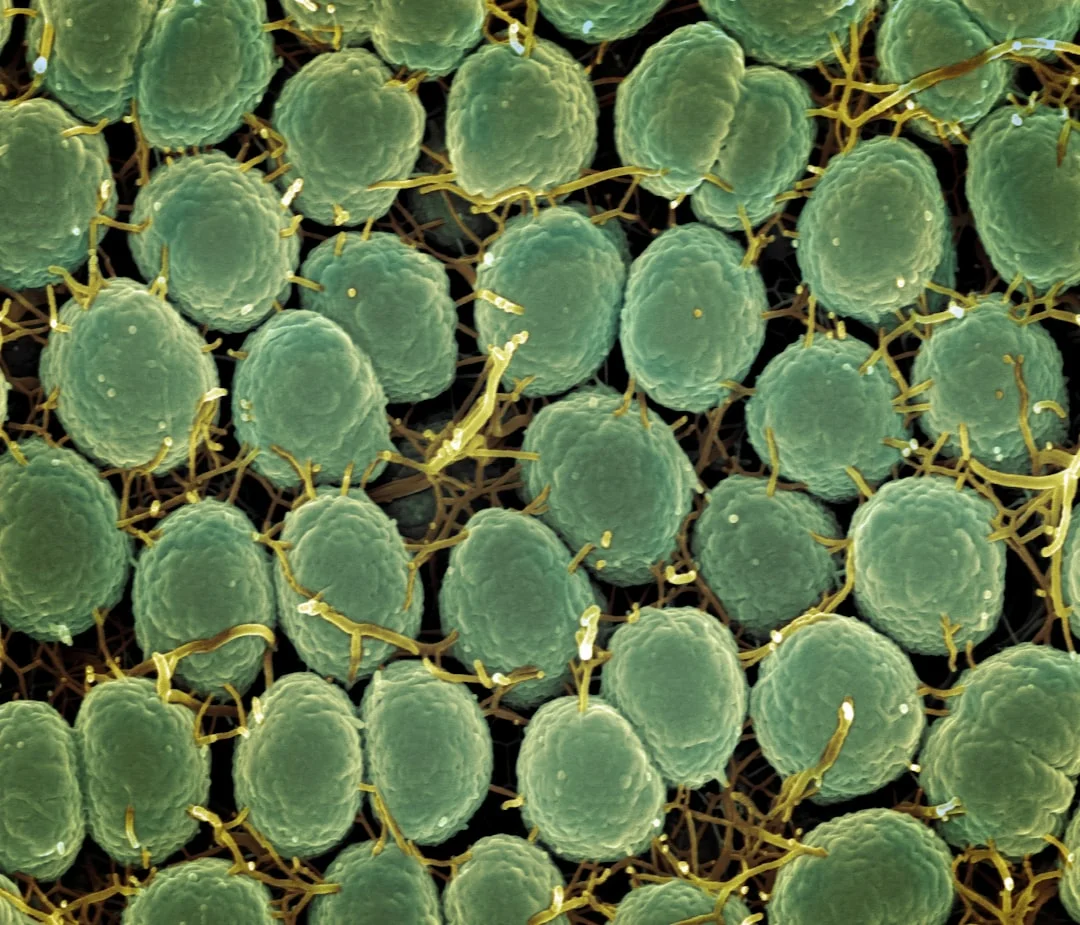
The gut microbiome is a key data source for personalized nutrition because of its direct influence on digestion, nutrient absorption, and immune function. The composition of an individual's microbiome—which bacteria are present and in what quantities—determines how certain foods are metabolized. Integrating this data allows for specific recommendations on fiber intake, prebiotics, and probiotics. This level of analysis helps users select foods that support a healthy gut environment, improving overall nutrient extraction and reducing inflammation.
Blood Panels and Metabolic Fingerprinting
Blood biomarker data provides a snapshot of an individual's current metabolic state and nutritional status. Integrating blood panels allows algorithms to identify existing deficiencies in vitamins (like vitamin D or B12), essential minerals (like iron), or high levels of inflammatory markers. For example, high levels of specific lipids or glucose may indicate a need for immediate intervention. This data acts as a feedback loop, verifying the effectiveness of a personalized plan and providing critical insights for adjustments that would otherwise require long-term monitoring by a healthcare professional.
How AI Analyzes Integrated Data
Data integration is only the first step; AI algorithms provide the interpretation. AI models identify complex patterns across thousands of data points that are too subtle for humans to discern. By analyzing the interplay between genetics, activity levels, and dietary intake, AI can predict how specific food choices will impact an individual's health outcomes. This predictive capability allows personalized nutrition platforms to generate specific recommendations for meal composition, portion sizes, and optimal timing for eating.
What Many Articles Miss: Personalization vs. Precision
Many articles use the terms "personalized nutrition" and "precision nutrition" interchangeably, but a crucial distinction exists. Personalized nutrition often relies on demographic information and basic health history to make general recommendations. Precision nutrition, however, requires dynamic data integration. The goal of precision nutrition is to go beyond simple customization and achieve *predictive modeling*. This advanced approach uses machine learning to anticipate future changes in the body and adjust recommendations preemptively.
The Feedback Loop: Dynamic Adjustments
The core benefit of data integration in personalized nutrition is the creation of a dynamic feedback loop. Unlike a static diet plan, integrated systems continuously collect new data from wearables, activity logs, and user feedback. As new data points are introduced, the AI model refines its recommendations. For example, if a user reports low energy levels after following a specific meal plan, the system analyzes the integrated data to determine if the issue stems from insufficient macronutrient intake, poor sleep quality, or a mismatch with their genetic profile.
Market Drivers Beyond Consumer Interest
The growth of personalized nutrition is fueled by more than just consumer demand for better health. From a business perspective, data integration creates new value propositions for healthcare providers and insurance companies. By optimizing diet, these services can reduce long-term healthcare costs associated with chronic diseases like type 2 diabetes and hypertension. Furthermore, the ability to collect and anonymize population-level data on nutrient interactions creates opportunities for new supplement formulations and food product development.
Timeline of Personalized Nutrition Technology
undefined
| Year Range | Key Technology Advancement | Impact on Personalized Nutrition |
|---|---|---|
| 1990s-2000s | Human Genome Project completion (2003) | Established the foundational understanding of genetic variations (SNPs) and individual metabolic pathways. |
| Early 2010s | Wearable technology and activity trackers | Enabled passive data collection on real-time activity levels, sleep, and heart rate for basic personalization. |
| Mid-2010s | Gut microbiome sequencing advancements | Made microbiome data accessible for analysis of dietary impact on gut flora and nutrient absorption. |
| Late 2010s | AI and Machine Learning in health | Allowed for integration and interpretation of diverse data streams (genetics + wearables + microbiome). |
| 2020s-Present | Precision nutrition platforms and services | Commercialization of integrated data models offering dynamic, real-time dietary recommendations based on individual profiles. |
- How Will AI Change Personalized Nutrition?
- How Will Personalized Nutrition Evolve in 2026?
- The Future of Food: Personalized Nutrition, AI, and Sustainable Trends to Watch in 2026
- How AI and Wearables Are Changing Personalized Nutrition
- Why are AI and GLP-1 Drugs Changing Personalized Nutrition?
- Cristiano Ronaldo's Investment in AI Personalized Nutrition: The Future of Performance
- How AI and Wearables Create Hyper-Personalized Nutrition Plans
- How Will AI Change Personalized Nutrition and Health Habits?
Frequently Asked Questions (FAQ)
Is genetic testing required for personalized nutrition?
No, but genetic data offers significant benefits. While many services offer basic personalization based on diet logs and activity data, integrating genetic information provides deeper insights into specific metabolic needs, sensitivities, and long-term predispositions.
How accurate are personalized nutrition recommendations?
Accuracy depends entirely on the quality and quantity of integrated data. Recommendations based on genetics alone are less accurate than those that also incorporate real-time blood biomarkers, microbiome analysis, and continuous data from wearables. The more comprehensive the integrated data, the higher the accuracy and personalization.
Are there data privacy risks associated with personalized nutrition platforms?
Yes, data privacy is a primary concern. Platforms collect sensitive information, including genetic data, metabolic markers, and real-time location and activity data. Users must carefully review a platform's data usage policies and ensure a commitment to data anonymization and security.
How long does it take to see results from a personalized nutrition plan?
Results vary depending on the individual's starting point and health goals. Changes in blood biomarkers or energy levels can be seen within weeks. However, significant changes in body composition or chronic health conditions often take several months of consistent adherence to the precision plan.
