
How Will Personalized Nutrition Change Our Diets in 2026?
Personalized nutrition is shifting from general guidelines to individualized plans using AI, genetic data, and microbiome analysis. Learn how this trend will change diets in 2026, focusing on real-time biometrics, sustainability, and accessibility challenges.
For decades, nutritional advice has relied on standardized guidelines like the food pyramid or calorie counting. This approach assumes that general recommendations apply equally to diverse populations. However, as of early 2026, a significant shift is underway in NutriScience: the move from population-level advice to individualized precision. This change is being driven by advancements in artificial intelligence and a deeper understanding of the human microbiome and genetic data. The emerging trend in 2026 suggests that a person's diet will soon be tailored to their unique biochemistry, moving beyond guesswork toward data-driven optimization. This transformation promises to fundamentally alter how individuals manage their health and interact with food, creating highly specific dietary plans designed to optimize well-being and prevent chronic disease.
Key Takeaways on Personalized Nutrition Trends
- Nutrition advice is moving from general guidelines for populations to highly individualized plans based on personal biological data.
- Artificial intelligence is necessary to analyze complex data from genetics, biometrics, and the gut microbiome to provide actionable recommendations.
- Real-time data from wearables and CGMs empowers individuals to see the immediate effect of food choices on their bodies.
- Future dietary recommendations will increasingly integrate personal health with planetary health, favoring sustainable and alternative protein sources.
- The primary hurdle for personalized nutrition in 2026 remains accessibility and cost, potentially creating a disparity in health outcomes between socioeconomic groups.
The Shift to "N=1" Nutrition
The central premise of personalized nutrition, often termed "N=1," holds that each individual's biological response to food is unique. Traditional dietary recommendations often fail because they overlook genetic variations that affect nutrient metabolism, absorption, and satiety. In 2026, the focus shifts to understanding how factors like single nucleotide polymorphisms (SNPs) dictate how a person processes carbohydrates or caffeine. This individual analysis helps create a dietary plan that works specifically for one person, rather than a general population average.
The Role of AI in Data Synthesis
Artificial intelligence is the core engine making personalized nutrition scalable in 2026. No human nutritionist can manually analyze terabytes of genetic, biomarker, and lifestyle data for a single client. AI algorithms process this complex information from sources like wearable devices, continuous glucose monitors (CGMs), and at-home test kits. This allows AI to identify correlations between food intake and physiological responses that are invisible to the naked eye, leading to highly specific recommendations for food choices and supplement timing.
The shift to personalized nutrition involves analyzing terabytes of individual data, including genetic profiles and real-time biometrics from continuous glucose monitors. However, the high cost of these technologies currently restricts accessibility to only a fraction of the population.
The Gut Microbiome as the Core Data Point
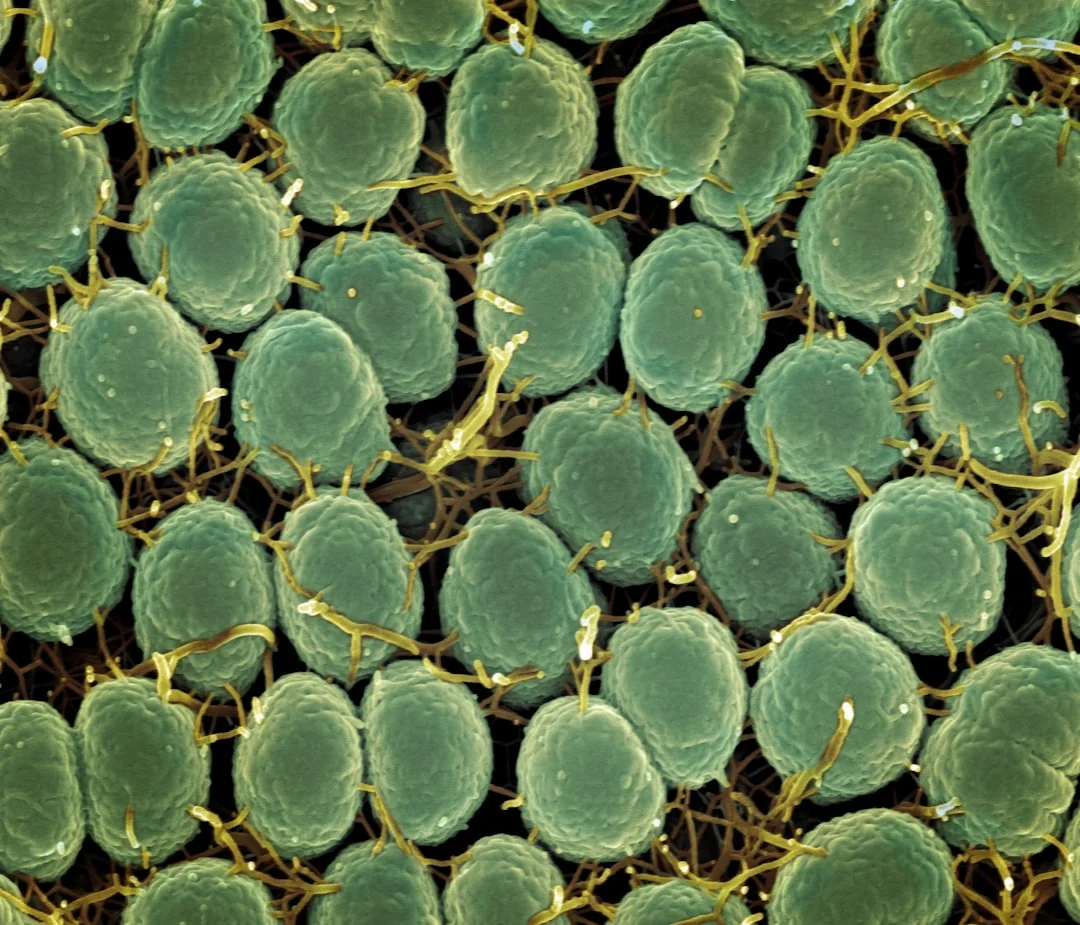
The human gut microbiome—the collection of bacteria and fungi in the digestive tract—has emerged as a critical component in personalized nutrition. Studies continue to confirm its influence on metabolism, inflammation, and mental health. In 2026, technologies like DNA sequencing and metabolomics allow for detailed analysis of an individual's unique microbial composition. This analysis helps determine which foods will support a healthy gut biome, and which might trigger adverse reactions, moving beyond generic probiotic advice.
The Rise of Real-Time Biometrics and CGMs
Wearable technology now provides real-time biometrics that significantly enhance personalized nutrition strategies. Continuous glucose monitors (CGMs), originally for diabetes management, are now widely used by non-diabetic individuals to track blood sugar responses to specific foods. This data, combined with heart rate variability and sleep patterns tracked by wearables, gives a precise picture of how diet affects daily health in real time. This feedback loop empowers individuals to make immediate dietary adjustments based on tangible results.
Precision Supplementation and Nutraceuticals
The trend in 2026 is moving away from generic, multivitamins toward precision supplementation. Instead of taking a standard dose of Vitamin D, an individual's specific blood levels and genetic predisposition for absorption dictate the exact dosage and form required. Furthermore, the focus on postbiotics and specific nutraceuticals—functional foods or compounds with health benefits—is growing. Companies are developing personalized supplements based on microbiome test results, ensuring that individuals receive exactly what their bodies need to balance deficiencies.
Sustainable Diets and Alternative Proteins
While personalized nutrition focuses on individual health, a simultaneous trend in 2026 emphasizes "planetary health." This approach acknowledges the connection between food systems and environmental impact. The focus is on diets that are high in plant-based foods, minimize food waste, and support regenerative agriculture. This emerging trend integrates personal health with sustainable choices, leading to recommendations that benefit both the individual and the planet, particularly concerning alternative proteins and food sources. Cultured meat, also known as cultivated or lab-grown meat, represents a significant development in alternative protein sources. As of early 2026, several companies are near commercialization, offering a sustainable alternative to traditional livestock farming. This technology grows animal cells without the need for breeding or slaughter, dramatically reducing land use and greenhouse gas emissions associated with meat production. This trend, combined with advancements in plant-based protein formulations, provides consumers with new options for ethical and sustainable protein intake.
Challenges: Cost, Regulation, and Industry Impact
What many articles miss about personalized nutrition is the cost barrier. While AI-driven health solutions offer precise insights, the high cost of comprehensive genetic testing, continuous glucose monitors, and personalized supplement plans restricts accessibility to only a fraction of the population. In 2026, the challenge for NutriScience companies will be to make these technologies affordable and widely available, transitioning them from premium services to standard healthcare practices. Personalized nutrition will fundamentally change how food products are designed and marketed. In a world of individualized dietary needs, generic pre-packaged foods will lose relevance. Food companies are already investing in technologies to produce customized products, such as snacks tailored to specific macronutrient ratios or supplements designed for individual genetic profiles. This shift requires a flexible supply chain capable of producing smaller batches of highly specified products rather than mass-producing standardized items. The increased collection of personal health data—including genetic and biometric information—raises significant regulatory and ethical concerns. In 2026, policymakers and organizations such as the FDA and EFSA face the challenge of regulating personalized nutrition products. The need for strict data privacy standards and consumer consent is paramount to prevent misuse of sensitive health information. The industry must establish clear guidelines for how data is collected, stored, and used to maintain consumer trust.
Comparing Traditional vs. Personalized Nutrition Approaches
undefined
| Feature | Traditional Dietary Advice | Personalized Nutrition (2026) |
|---|---|---|
| Data Source | Population Averages, Food Pyramids, Calorie Counting | Individual Genetic Profile, Microbiome Data, Biometric Wearables |
| Goal | General Health Maintenance, Disease Prevention (Generalized) | Individual Optimization, Precision Symptom Reduction, Proactive Health |
| Key Metrics | BMI, Weight, Blood Pressure | Continuous Glucose Response, Nutrient Absorption Efficiency, Microbiome Diversity |
| Delivery Method | Static Guidelines, Standardized Supplements | Dynamic Recommendations, Real-Time Feedback Loop, Precision Supplements |
| Key Technology | Calorie Trackers, Food Labels | AI Analytics, Continuous Glucose Monitoring (CGM), At-Home DNA Tests |
- The Future of Food: Key NutriScience Trends Reshaping Health in 2026
- How Are AI and Sustainable Food Tech Changing Nutrition?
- How Will Nutritional Science Trends Impact Health in 2026?
- How Will AI Change Personalized Nutrition for Sustainable Health?
- The Future of Food: Decoding Emerging Nutri-Science Trends for 2026
- What Key NutriScience Trends Will Shape Health in 2026?
- What NutriScience Trends Will Emerge in 2026?
- Cristiano Ronaldo's Investment in AI Personalized Nutrition: The Future of Performance
Frequently Asked Questions About Personalized Nutrition
Will AI replace dietitians in personalized nutrition?
No, AI tools are expected to augment, not replace, dietitians. AI processes data and generates potential insights, but human experts are still needed to interpret complex results, provide emotional support, and create practical meal plans that align with real-life schedules and budgets.
Is personalized nutrition scientifically proven in 2026?
While the field is rapidly advancing, the scientific consensus varies. Many studies support the principles of individual variability in metabolic response to food. However, large-scale, long-term randomized controlled trials proving the superior efficacy of personalized nutrition over standard advice are still emerging.
What is the difference between nutrigenetics and nutrigenomics?
Nutrigenetics studies how an individual's genes affect their response to nutrients. For example, some people have a gene variation that makes them process caffeine differently. Nutrigenomics, conversely, examines how diet and nutrients impact gene expression. Both fields are central to personalized nutrition.
Is personalized nutrition expensive for consumers?
Currently, access to personalized nutrition services often requires investing in genetic test kits, microbiome analysis, and continuous monitoring devices, which can be expensive. In 2026, costs are decreasing due to technology advancements and increased market competition. However, widespread affordability remains a key challenge for the industry.
