
How Will AI and Microbiome Technology Reshape Nutrition?
AI and microbiome technology are transforming nutrition by moving from generic guidelines to hyper-personalized recommendations based on individual biological data. Learn how AI analyzes gut microbiome composition and genetic markers to create tailored dietary plans for disease prevention.
The field of nutrition is shifting from population-based dietary guidelines to hyper-personalized recommendations, driven by advances in artificial intelligence (AI) and microbiome analysis. Traditional nutrition advice often fails because individuals react differently to the same foods due to unique genetic and metabolic profiles. AI-powered diagnostics now analyze a person's specific gut microbiome composition, genetic markers, and lifestyle data to provide truly tailored insights. As of early 2026, this integration promises to create new strategies for preventing chronic diseases like diabetes and obesity, making health outcomes more predictable and sustainable. The core change is a move away from generic "one-size-fits-all" advice toward precise, data-driven nutritional plans.
Key Takeaways on AI and Personalized Nutrition
- AI and microbiome analysis are moving nutrition from generic advice to data-driven, highly individualized strategies.
- The core mechanism involves AI analyzing an individual's gut bacteria and genetic markers to predict specific food responses.
- New strategies include personalized nutraceuticals and "digital phenotyping," where AI integrates data from wearables to optimize health.
- Accessibility and data privacy are key challenges for widespread adoption, requiring regulatory oversight and lower costs.
The Shift from Population Data to Individual Biology
Traditional nutritional science has relied heavily on epidemiological studies that observe large populations. This approach established broad guidelines like "eat more fiber" or "reduce sugar intake." However, research consistently shows that individuals experience highly variable blood glucose responses to identical foods. AI-driven personalized nutrition addresses this limitation by focusing on an individual's specific biological makeup. By analyzing data from genomic sequencing, blood biomarkers, and microbiome profiling, AI can predict how a specific person's body will react to different nutrients. This paradigm shift means recommendations move from general rules to precise, individual-level instructions.
The Microbiome as a Data Set
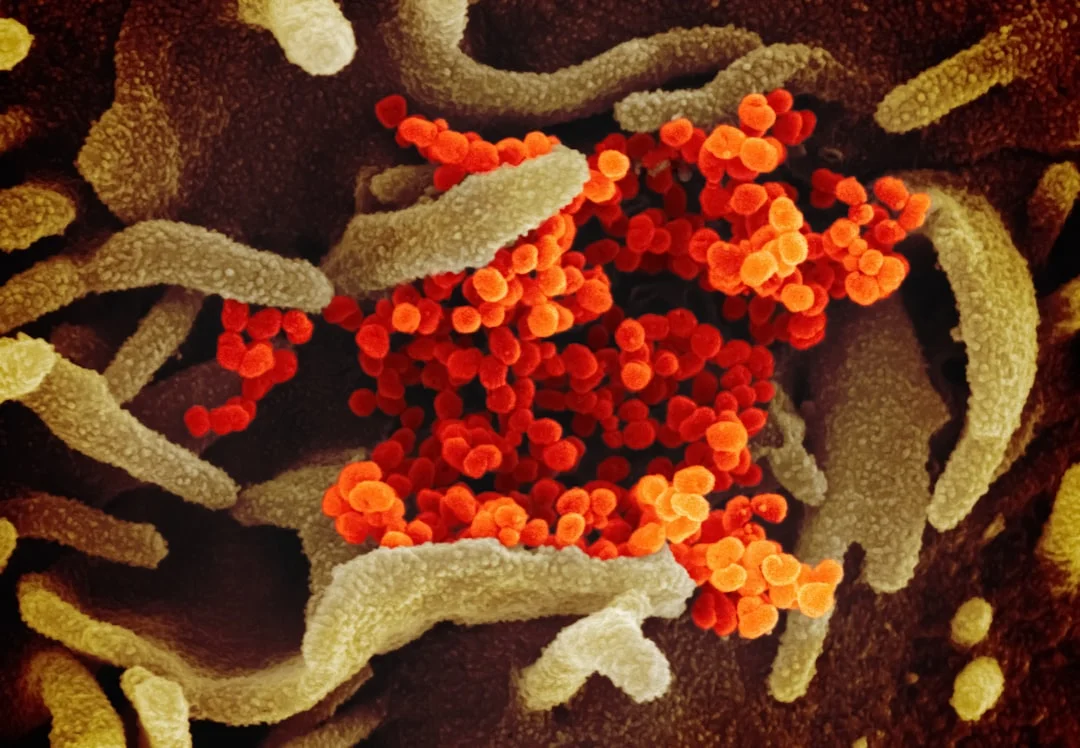
The human gut microbiome—the collection of trillions of microorganisms in the digestive tract—is now recognized as a critical factor in metabolism and overall health. The specific species present determine how a person processes carbohydrates, fats, and proteins. AI algorithms analyze sequencing data from a patient's stool sample to identify patterns and specific microbial pathways. This analysis can reveal deficiencies in certain beneficial bacteria or identify an overgrowth of harmful strains. By understanding these interactions, AI provides specific recommendations for prebiotics or probiotics necessary to restore balance, targeting the root cause of metabolic issues rather than just managing symptoms.
AI-driven personalized nutrition relies on advanced diagnostics like genomic sequencing and continuous glucose monitoring (CGM). While traditional methods are free, these advanced services currently carry high costs, limiting accessibility to the general population. The goal is to move beyond average health outcomes to optimized metabolic responses.
How AI Creates Actionable Dietary Recommendations
AI's role in personalized nutrition goes beyond simple diagnostics; it translates complex biological data into actionable dietary plans. AI models correlate specific food intake with subsequent changes in blood glucose, cholesterol, or inflammatory markers. For example, a person with a specific microbial profile might receive a recommendation to consume complex carbohydrates at a particular time of day to optimize blood sugar stability. AI algorithms continuously refine these recommendations based on real-time feedback from digital food logs and wearable sensors, ensuring the plan adapts to the user's progress.
The Role of Digital Phenotyping and Wearable Data
Personalized nutrition increasingly relies on digital phenotyping, which combines physiological data from wearables with behavioral data. Wearable devices track parameters like sleep quality, physical activity, heart rate variability, and continuous glucose monitoring (CGM). AI algorithms integrate this data with microbiome analysis to identify holistic health patterns. For instance, AI can detect that a user's blood sugar spikes not just from food, but also during periods of high stress or poor sleep. The resulting nutritional recommendations thus become integrated with lifestyle advice for stress management and sleep optimization.
AI’s Impact on Personalized Nutraceuticals
AI is currently revolutionizing the supplement market by designing personalized nutraceuticals. Instead of generic multivitamins, AI analyzes an individual's nutritional deficiencies, absorption rates, and microbial needs. This analysis allows for the creation of customized probiotic blends or complex supplements designed specifically for one person. Companies like DayTwo and Viome use this approach to formulate specific recommendations for supplements that target an individual's unique biological pathways, moving beyond "off-the-shelf" products toward precision supplementation.
The Role of Chrononutrition
What many articles miss is that personalized nutrition isn't just about *what* to eat, but *when* to eat it. AI models integrate chrononutrition—the study of how meal timing impacts health—with microbiome analysis. AI can predict how a specific meal will affect circadian rhythms and metabolic health. For example, a recommendation for a person with insulin resistance might include shifting their eating window earlier in the day to improve metabolic function. This precision timing can dramatically enhance the effectiveness of dietary changes.
Data Privacy and Accessibility Challenges
The collection of sensitive data—including genetic, microbial, and real-time biometric information—raises significant privacy concerns. For AI-driven personalized nutrition to gain widespread consumer trust, data security must be paramount. Companies providing these services must demonstrate strict adherence to privacy policies and transparent data usage practices. As the technology expands, regulatory bodies like the FDA and consumer protection agencies are closely monitoring data handling to prevent misuse. Additionally, AI-driven personalized nutrition services often carry high price tags, making them largely inaccessible to the general population. The cost of comprehensive microbiome and genomic sequencing, coupled with ongoing AI analysis and expert consultations, limits uptake to high-end consumers. The long-term challenge for the industry is to reduce these costs through economies of scale and automation, making personalized health strategies available in standard healthcare settings and preventative care programs.
Regulatory Landscape and Clinical Validation
The regulatory landscape for AI-driven personalized nutrition is still evolving. The FDA treats personalized nutrition software as a medical device when it makes claims to diagnose, mitigate, or treat a specific disease. However, many consumer products skirt these regulations by offering general "wellness" advice. For true E-E-A-T (Expertise, Authoritativeness, Trustworthiness) validation, these AI models must undergo rigorous clinical trials to prove their efficacy beyond self-reported data. The industry is currently working toward establishing standardized protocols to validate claims. The personalized nutrition industry is often plagued by "gut health fads" and unverified claims. AI-driven solutions are distinct from generic online tests that offer simplistic advice based on basic food intolerance analysis. True personalized nutrition uses advanced sequencing technology to generate a comprehensive microbial profile, often correlating it with blood and genetic data. Users should exercise caution with products that offer quick fixes without explaining the underlying biological reasoning or providing data validation from clinical studies.
Comparison of Nutrition Models
undefined
| Feature | Traditional Nutrition | Standard Personalized Nutrition (Legacy) | AI-Driven Personalized Nutrition (Current/Future) |
|---|---|---|---|
| Data Source | Population studies, food pyramids, RDI (Reference Daily Intake) | Basic health history, limited bloodwork, generic surveys | Genomic sequencing, microbiome analysis, continuous glucose monitoring (CGM), digital phenotyping |
| Recommendation Type | General guidelines, "one-size-fits-all" advice | Broad recommendations based on macronutrient ratios and food avoidance lists | Precision recommendations for specific foods, meal timing, supplements, and lifestyle adjustments |
| Underlying Mechanism | Macro-level public health data | Individual's self-reported data | AI-driven correlation of individual biomarkers with food response and microbial pathways |
| Cost | Free (public health information) | Low to moderate (pre-packaged tests or generic programs) | High (advanced diagnostics and ongoing data analysis) |
| Result | Average health outcomes | Moderate health improvement for some individuals | Optimized metabolic response and preventative health strategies |
- The Future of Food: How AI and Microbiome Research are Creating Precision Nutrition
- How Will AI Change Personalized Nutrition and Health Habits?
- The Future of Food: Personalized Nutrition, AI, and Sustainable Trends to Watch in 2026
- How AI and Wearables Create Hyper-Personalized Nutrition Plans
- How Is AI Revolutionizing Personalized Nutrition and Health?
- What is driving AI personalized nutrition growth?
- How Will AI Change Personalized Nutrition?
- How Will Personalized Nutrition Evolve in 2026?
Frequently Asked Questions about AI and Personalized Nutrition
How quickly can AI personalize my diet after a microbiome test?
Most AI-driven nutrition platforms provide initial recommendations within a few days of receiving your test results. However, personalization is an ongoing process. The AI refines its recommendations continuously based on your adherence to the plan and real-time biometric feedback, typically over several months.
Is personalized nutrition covered by health insurance?
Generally, no. Personalized nutrition services are usually categorized as wellness or preventative care, which most health insurance plans do not cover. Coverage might vary if a specific medical condition (like celiac disease or type 2 diabetes) requires a personalized medical nutrition therapy plan from a registered dietitian.
Can AI predict food allergies or intolerances?
AI models can identify correlations between specific foods and adverse reactions by analyzing gut inflammation markers and microbial activity patterns. However, AI cannot replace a clinical diagnosis for severe food allergies. It is a powerful tool for predicting sensitivities and optimizing diet to minimize inflammation.
How accurate are AI microbiome tests compared to traditional methods?
The accuracy of AI-driven tests depends heavily on the quality of the data and the AI model's training. While advancements in sequencing technology provide high-resolution data on microbial composition, the interpretation of this data requires robust clinical validation. The field is still maturing, but early evidence shows strong correlations between AI-predicted responses and actual metabolic outcomes.
