
How Are AI and Wearable Tech Revolutionizing Nutrition?
AI and wearable technology are revolutionizing personalized nutrition by enabling real-time data collection from individuals. This data, including continuous glucose monitoring, sleep patterns, and activity levels, allows AI algorithms to create highly customized dietary recommendations. The shift moves research from population-level studies to precise, individual-level analysis, allowing for better identification of optimal foods for specific health goals.
For decades, nutritional advice has relied on generalized guidelines derived from broad population studies. This approach struggles with a fundamental challenge: what works for one person may not work for another due to individual differences in metabolism, genetics, and lifestyle. This creates frustration for individuals seeking reliable health recommendations. A new revolution in personalized nutrition is emerging, driven by advancements in artificial intelligence (AI) and wearable technology. These tools are allowing researchers to move beyond population averages and develop hyper-specific dietary plans tailored to an individual’s real-time physiological responses. This shift from one-size-fits-all advice to highly adaptive recommendations fundamentally changes how we understand the relationship between diet and health.
Key Takeaways on Personalized Nutrition
- AI and wearables replace generalized diet advice with personalized plans based on an individual’s real-time metabolic responses.
- Continuous Glucose Monitors provide the most critical data point for understanding individual reactions to specific foods.
- Personalized nutrition integrates genetics, microbiome analysis, and biometric data for comprehensive insights.
- AI tools enhance the effectiveness of dietitians by providing data that guides personalized coaching.
The Challenge of Generic Nutrition Advice
Why does one diet work for a friend but fail for you? The answer lies in metabolic individuality. Traditional nutrition studies often group subjects and derive average outcomes. This method overlooks the unique ways individuals process carbohydrates, fats, and proteins. A standard recommendation for "healthy eating" may not account for genetic predispositions or specific metabolic responses, leading to suboptimal outcomes. AI and wearables solve this by focusing on the individual’s dynamic biological feedback rather than relying on static, generalized guidelines.
Wearable Technology and Continuous Glucose Monitoring
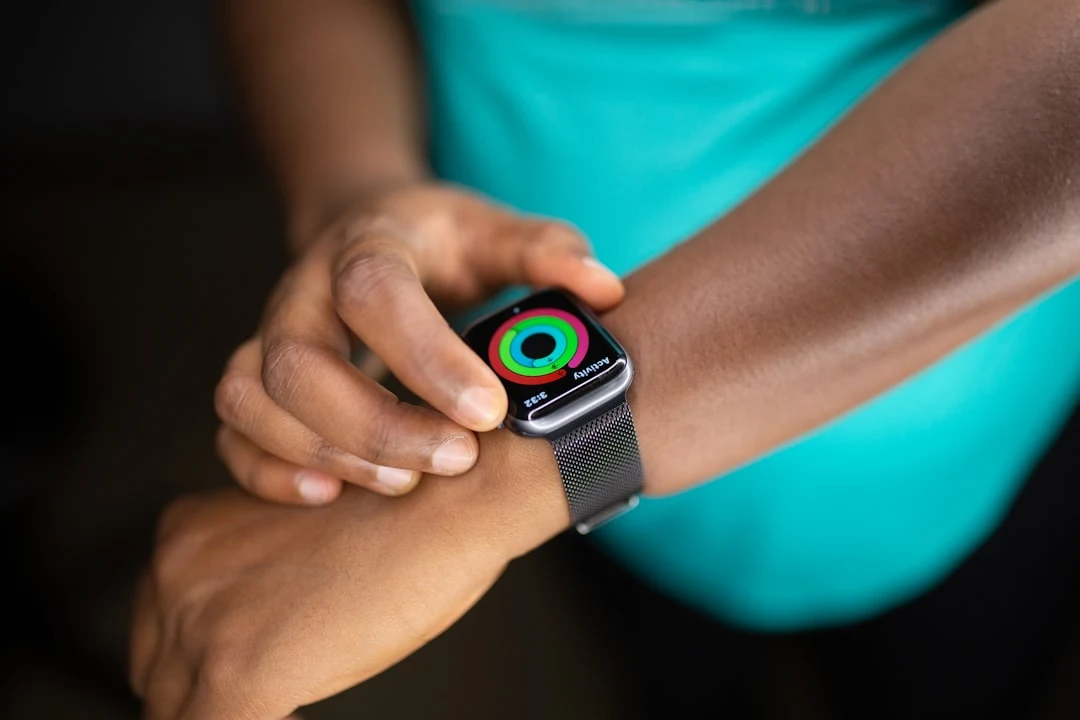
Wearable technology, such as smartwatches and continuous glucose monitors (CGMs), serves as the primary data collection tool in personalized nutrition research. These devices continuously gather physiological metrics that provide insight into metabolic function. Key data points include heart rate variability, sleep quality, daily activity levels, and, most critically, blood glucose fluctuations in response to specific foods. This data provides researchers with a comprehensive, real-time picture of an individual's internal state. Continuous glucose monitoring (CGM) is perhaps the most significant technology driving personalized nutrition research as of 2024. A CGM provides minute-by-minute feedback on how an individual’s body reacts to food intake. For non-diabetic individuals, this data reveals previously hidden metabolic inefficiencies. The technology shows how a seemingly healthy food item might cause a significant glucose spike for one person, while another processes it efficiently. This real-time feedback loop is essential for building accurate, data-driven nutritional plans.
The timeline of personalized nutrition technology shows rapid advancement, with consumer smartwatches gaining widespread adoption by 2015 and continuous glucose monitors becoming commercially available for non-diabetic use by 2017. By 2024, AI-driven platforms have expanded from research-only applications to direct consumer use, creating massive data sets for further study.
AI Analysis: Integrating Genetics and Microbiome Data
The volume of data collected by wearables exceeds human processing capabilities. AI algorithms apply machine learning to identify complex patterns within this data. For example, AI can analyze thousands of data points to predict how a specific meal, in combination with a user’s sleep quality and activity level, will impact their blood glucose response. This allows the system to generate predictive models for nutritional intake, identifying which foods are most beneficial for that individual at a given time. The integration of genetic information (nutrigenomics) with real-time wearable data represents the next frontier in personalized nutrition. Genetic tests provide a static blueprint of how an individual’s body *should* process nutrients based on DNA markers. When combined with dynamic data from wearables, AI can create a complete picture. The gut microbiome—the collection of bacteria in our digestive system—is also a critical factor in how we metabolize food. Researchers are increasingly using AI to analyze microbiome sequencing data alongside wearable data. AI helps researchers identify specific dietary recommendations that promote a healthy microbiome composition, thereby improving metabolic health and even cognitive function.
Real-World Applications and the Role of Dietitians
AI and wearables are already being applied in commercial nutrition platforms. Companies like Zoe and Levels use continuous glucose monitoring and other biometric data to provide personalized food rankings and meal suggestions. These platforms aim to optimize metabolic health by identifying foods that lead to stable blood sugar levels. The goal is to move beyond abstract nutritional theory and offer actionable guidance, helping users prevent or manage conditions like pre-diabetes and obesity. What many articles miss is that personalized nutrition technology is not meant to replace dietitians, but to empower them. AI-driven recommendations provide a starting point based on data; however, human expertise is necessary to implement these recommendations. A dietitian uses the AI data to understand client behavior, address potential eating disorders, and tailor recommendations to real-world social and psychological contexts. The technology changes the dietitian’s role from generic advice-giving to data-driven coaching.
Ethical Considerations and Future Outlook
The collection of continuous biometric data raises significant ethical questions regarding data privacy and security. Nutritional data, especially genetic and metabolic information, is highly sensitive. Researchers and developers must implement robust security protocols and ensure transparency in how data is collected, stored, and used. Without strong privacy protections, individuals may be reluctant to share the detailed information needed for true personalization, hindering long-term research progress. While personalized nutrition focuses on the individual, the aggregated data from thousands of users can benefit population health research. AI models can analyze anonymized data sets from diverse populations to identify new nutritional insights and validate hypotheses much faster than traditional methods. This allows researchers to rapidly iterate on dietary guidelines and identify global health trends, ultimately improving public health recommendations.
Key Milestones in Personalized Nutrition Technology
undefined
| Year | Development/Milestone | Impact on Research and Application |
|---|---|---|
| 2015 | Widespread adoption of consumer smartwatches. | Enabled early-stage collection of activity and sleep data in large populations. |
| 2017 | Commercialization of Continuous Glucose Monitors (CGMs) for non-diabetic use. | Provided real-time metabolic feedback; revealed glycemic variability in healthy individuals. |
| 2019 | Launch of AI-driven personalized nutrition research programs. | Enabled machine learning models to analyze complex metabolic data and identify food specific insights. |
| 2021 | Integration of gut microbiome sequencing with AI platforms. | Allowed researchers to correlate specific microbial compositions with dietary responses. |
| 2024 | Expansion of personalized nutrition platforms (e.g., Zoe, Levels). | Shifted focus from research-only to direct consumer application, creating massive data sets for further study. |
- How AI and Wearables Transform Personalized Nutrition?
- How Is AI Reshaping Personalized Nutrition and Sustainable Food?
- How Will Personalized Nutrition Change Sustainable Health Habits?
- How Will AI Change Personalized Nutrition and Supplementation?
- How AI Will Change Personalized Nutrition and Healthspan
- AI Personalized Nutrition: Decoding Sustainable Health Habits
- How Is AI-Driven Personalized Nutrition Transforming Healthcare?
- How Will AI Change Personalized Nutrition and Gut Health?
Frequently Asked Questions
Is personalized nutrition more effective than traditional methods?
Research indicates that personalized nutrition plans, when implemented correctly, lead to better adherence and health outcomes than generic advice. By accounting for an individual’s unique metabolism, these plans reduce guesswork and increase the likelihood of success.
Can AI predict my health risks from my diet?
Yes, advanced AI algorithms can analyze a person's biometric data, genetic background, and dietary intake to predict potential health risks, such as high blood pressure or insulin resistance, before they become serious conditions.
How do I get started with personalized nutrition technology?
You can start by using consumer-facing apps that integrate with smartwatches. For more detailed insights, consider consulting a registered dietitian who uses AI-powered tools or subscribing to a personalized nutrition service that includes CGM data analysis.
Is this technology only for people with health problems?
No, while personalized nutrition is highly effective for managing conditions like pre-diabetes, it is also beneficial for healthy individuals seeking to optimize performance, improve energy levels, and enhance long-term health.
