
How AI and Wearables Transform Personalized Nutrition?
Discover how AI and wearable technology are revolutionizing personalized nutrition by analyzing real-time biometric data to provide precise, preventative dietary interventions tailored to individual metabolic responses.
The field of nutrition has historically relied on generalized guidelines and reactive treatment plans. However, a significant shift is underway, moving from broad advice to precise, personalized interventions. This change is being driven by the convergence of two powerful technologies: artificial intelligence (AI) and wearable devices. As of early 2026, these tools are enabling individuals to understand their unique metabolic responses in real time, transforming nutrition from a reactive measure into a core component of preventive healthcare. This new approach uses continuous biometric data to identify specific risk factors and physiological responses before they lead to serious health issues, offering a level of precision previously limited to clinical research.
Key Takeaways on Personalized Nutrition
- Personalized nutrition shifts from reactive treatment to proactive prevention by using real-time biometric data.
- Wearable technology provides continuous data streams (glucose, sleep, HRV) that reveal individual metabolic responses.
- AI processes this data to identify unique risk factors and customize dietary interventions, moving beyond generalized advice.
- The integration of AI and wearables facilitates "metabolic fingerprinting," helping to prevent chronic conditions before symptoms appear.
- Data privacy and the role of human coaches are critical factors in ensuring the long-term sustainability of personalized nutrition.
The Problem with Generalized Nutrition Advice
For decades, nutritional advice has operated on a "one-size-fits-all" model. Guidelines such as the food pyramid or calorie counting often fail to account for the vast differences in individual physiology. A person’s unique genetic makeup, gut microbiome composition, and specific metabolic response to certain foods mean that a diet effective for one individual can be ineffective or even harmful to another. This lack of personalization often leads to frustration, non-compliance with diet plans, and poor long-term health outcomes, highlighting the need for a more precise approach.
Wearables and AI: The Data Collection and Analysis Engine
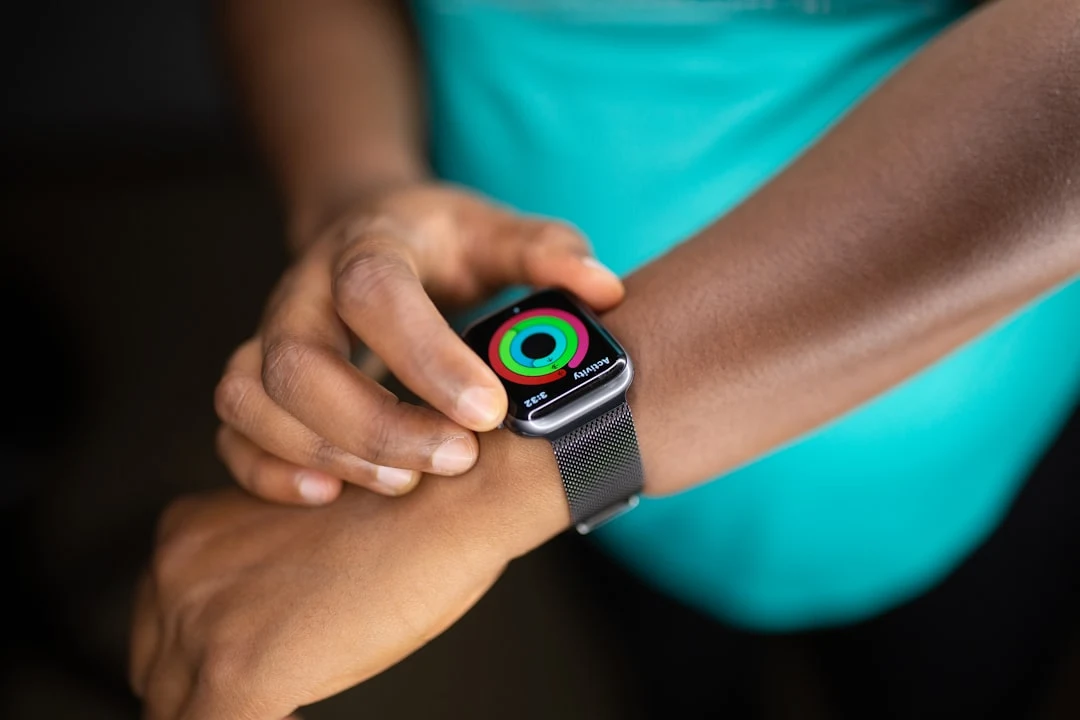
Wearable devices are central to this transformation because they provide continuous, real-time data that traditional methods cannot capture. Modern wearables, including smartwatches and continuous glucose monitors (CGMs), track metrics beyond simple activity steps. They measure heart rate variability (HRV), sleep quality, skin temperature, and even hydration levels. This data collection creates a comprehensive snapshot of how an individual's body responds to food intake, exercise, and stress in their natural environment, providing the necessary inputs for personalized analysis. AI's primary function in personalized nutrition is to process the complex data generated by wearables. It moves beyond simple correlation by applying advanced machine learning algorithms to identify unique patterns in an individual’s metabolic response. This process, sometimes called "metabolic fingerprinting," identifies specific biomarkers that indicate how a person processes carbohydrates, fats, or proteins. AI can detect subtle trends, such as an unusual spike in blood sugar after consuming a food typically considered healthy, which would be invisible without this data analysis.
AI algorithms analyze vast streams of real-time biometric data from wearables, enabling a shift from generalized nutritional advice to highly precise, individualized interventions. This predictive approach aims to prevent chronic conditions by identifying risk factors before symptoms appear, significantly reducing the reliance on reactive healthcare models.
From Recommendations to Predictive Interventions
The shift from general recommendations to specific interventions marks the change in nutrition's role. Instead of offering advice like "reduce sugar intake," AI-driven systems provide precise recommendations. For example, if AI identifies a specific carbohydrate intolerance through a user’s CGM data, it can immediately suggest precise portion sizes or alternative ingredients for upcoming meals. This level of detail ensures interventions are immediately actionable and directly tailored to preventing negative health outcomes before they manifest as chronic disease. What many articles miss is the distinction between a predictive approach and a reactive one. Reactive healthcare waits until symptoms appear to treat a condition. Predictive healthcare, enabled by AI, analyzes data to identify future risk based on current biomarkers. This allows for proactive interventions, such as adjusting a diet based on rising inflammation markers before a diagnosed inflammatory condition develops. Personalized nutrition in this context shifts from being a supplement to medical treatment to becoming a core tool for prevention.
The Microbiome Connection
A key area where AI excels is integrating data from the gut microbiome. Emerging research shows a strong link between the composition of an individual's gut bacteria and their metabolic health. AI algorithms can cross-reference wearable data with microbiome analysis to identify specific bacterial species that influence a person's response to different foods. This integrated approach allows for recommendations that aim to optimize gut health through prebiotics and probiotics, thereby improving overall metabolic function and disease prevention.
Specific Applications in Health and Recovery
A prominent application of AI-driven nutrition is in prediabetes and type 2 diabetes management. Continuous glucose monitors provide real-time feedback on how meals impact blood sugar levels. AI analyzes patterns in this data to help users understand which foods cause spikes and which stabilize levels. For individuals at risk, this predictive analysis allows for precise dietary adjustments to prevent the onset of type 2 diabetes. The technology identifies the specific foods and combinations that create problems for a specific individual, rather than relying on generic low-sugar advice. The integration of AI and wearables also significantly impacts athletic recovery and inflammation management. Athletes use wearables to track biomarkers related to recovery, such as heart rate variability and sleep quality. AI analyzes this data to adjust nutrition plans in real-time. For example, if a high-intensity workout leads to poor sleep quality and low HRV, AI might recommend anti-inflammatory foods or increased protein intake to accelerate recovery and prevent overtraining syndrome. This level of personalized feedback is moving into general wellness for non-athletes as well.
Challenges and Human Integration
As data collection expands, the challenges of data privacy and security grow. Wearable devices collect sensitive personal health information, creating a significant security burden for both device manufacturers and third-party AI platforms. Regulations like HIPAA in the United States and GDPR in Europe dictate how this information must be protected. The continued adoption of personalized nutrition relies heavily on establishing robust security protocols and clear ethical guidelines for data ownership and use, ensuring user trust remains central to the process. While AI provides the data analysis, human health coaches remain vital. AI identifies patterns and makes recommendations, but it cannot fully understand a user's lifestyle constraints, preferences, or emotional relationship with food. The health coach acts as an interpreter, helping the user implement AI insights into sustainable habits. This blended approach ensures high compliance rates by balancing data-driven precision with human empathy and motivational support.
Future Outlook: AI in Clinical Settings
The ultimate goal of AI-driven personalized nutrition is integration into standard clinical practice. As research validates AI's predictive capabilities, it will move from consumer wellness apps to a tool used by medical doctors to create precision preventive care plans. This shift is necessary to manage rising rates of chronic conditions. The ability to use real-time data to prevent disease before it requires expensive treatment positions personalized nutrition as a foundational element of future healthcare models.
Comparison of Traditional vs. AI-Driven Nutrition
undefined
| Feature | Traditional Nutrition Advice | AI-Driven Personalized Nutrition |
|---|---|---|
| Data Source | General population studies, dietary recall via surveys, clinical trials. | Real-time individual biometric data from wearables, microbiome analysis, genetic reports. |
| Analysis Method | Generalized guidelines based on population averages; manual calculation of calories/macros. | Machine learning algorithms identifying unique metabolic patterns and risk factors. |
| Goal | Reactive management of existing conditions; general health improvement. | Predictive risk identification; individualized disease prevention. |
| Intervention | Broad recommendations (e.g., "reduce saturated fat," "eat more vegetables"). | Precise recommendations (e.g., specific portion sizes, time-of-day food scheduling, nutrient timing). |
- How Is AI-Driven Personalized Nutrition Transforming Healthcare?
- How Will AI Change Personalized Nutrition and Gut Health?
- Why Is AI Personalized Nutrition Market Growing So Fast?
- How Will AI and Functional Foods Change Personalized Nutrition?
- Emerging Trends in Nutrition Science 2026: Personalized Health and AI
- The AI Revolution: Personalized Nutrition Dominates NutriScience Trends
- How Does AI Create Personalized Nutrition Plans?
- How Is AI Reshaping Personalized Nutrition and Sustainable Food?
Frequently Asked Questions
Is personalized nutrition through AI only beneficial for athletes?
No. While athletes use AI to optimize performance and recovery, the technology is increasingly vital for average adults managing chronic conditions like prediabetes or high blood pressure. It helps identify specific foods that trigger negative health responses, enabling preventative lifestyle changes for general wellness.
What specific data does a wearable track to create a nutrition plan?
Wearables track various biometrics, including heart rate variability (HRV), sleep quality, skin temperature changes, and continuous glucose monitoring data. These metrics, analyzed by AI, reveal how food intake affects metabolic processes, inflammation, and energy levels in real-time.
How reliable is AI advice compared to a human nutritionist?
AI provides data-driven precision by analyzing patterns a human cannot easily identify from memory or simple logs. However, AI lacks the ability to understand human behavioral complexity and emotional factors related to food. The most reliable approach combines AI data insights with guidance from a human health coach.
Does personalized nutrition reduce the need for traditional dieticians?
No. Personalized nutrition enhances the dietician’s role. AI provides the dietician with highly precise data, allowing them to create more effective and targeted plans. The dietician remains essential for interpreting the data, providing motivational coaching, and integrating nutrition advice with other health and lifestyle factors.
