
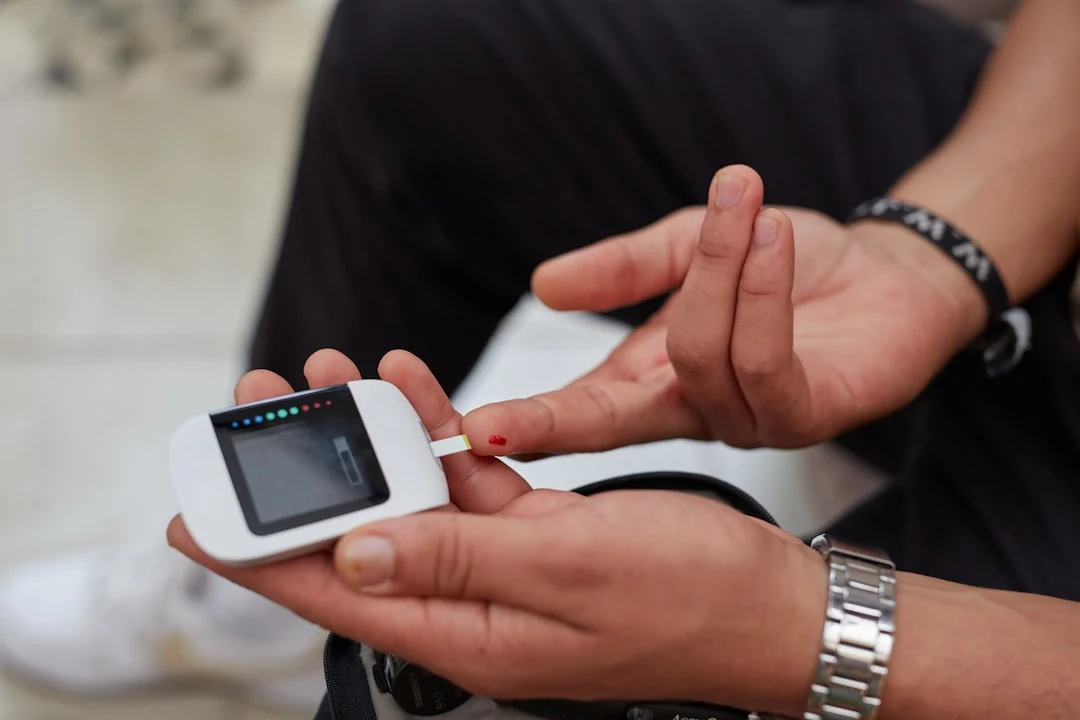
How Will AI and Wearable Technology Create Personalized Metabolic Nutrition Plans?
AI and wearable technology create personalized nutrition plans by analyzing real-time metabolic data. This shift moves away from generalized dietary recommendations toward specific, data-driven advice based on individual biomarkers, glucose levels, and activity patterns. AI algorithms process this continuous data to generate precise dietary adjustments, optimizing health outcomes far beyond traditional caloric counting.
For decades, nutrition science relied on generalized guidelines derived from population-level studies. These one-size-fits-all recommendations—such as "eat less fat" or "reduce calories"—often fail because they ignore individual metabolic variability. A diet that helps one person lose weight may lead to weight gain or poor health outcomes for another. This mismatch between general advice and specific biological needs has driven a fundamental shift toward personalization. As of early 2026, advances in artificial intelligence (AI) and wearable technology are enabling nutrition advice to move from broad recommendations to individualized metabolic prescriptions. This new model analyzes real-time data from biomarkers like blood glucose and activity levels to understand exactly how a person's body responds to food.
Summary of Key Insights
- AI-driven nutrition focuses on individual metabolic responses, moving beyond generic recommendations based on population averages.
- Wearables like CGMs provide immediate feedback on how specific foods affect blood sugar levels, enabling precise dietary adjustments.
- AI analyzes complex data patterns from wearables, sleep trackers, and genetic tests to identify optimal nutritional strategies.
- Future nutrition integrates data from multiple sources, including the microbiome and stress levels, for a comprehensive health plan.
- This technology has significant implications for managing chronic conditions and improving athletic performance.
What is Metabolic Health and Why Does it Matter for Nutrition?
Metabolic health refers to the body's ability to regulate energy and process nutrients without issues like high blood pressure, high blood sugar, or excess body fat. The core idea behind personalized nutrition is that a person's unique metabolism dictates how they respond to specific foods. Traditional nutrition often treats a calorie as a calorie regardless of source, but a personalized approach recognizes that different foods trigger distinct hormonal and glucose responses in different people. Optimizing metabolic health involves understanding these specific individual responses.
How Do Continuous Glucose Monitors (CGMs) Drive Personalization?
Continuous Glucose Monitors (CGMs) are a critical tool in this shift. CGMs are small sensors, typically worn on the arm, that provide real-time updates on blood sugar levels. This data shows exactly how a person's body reacts to different meals, exercise, and stress throughout the day. By revealing rapid glucose spikes and subsequent crashes, CGMs allow users and AI algorithms to pinpoint specific foods that negatively impact their unique metabolic profile. This immediate feedback loop is far more effective than a traditional blood test, which only offers a single snapshot in time.
Personalized nutrition shifts from population-level studies to real-time individual data analysis. Wearable devices provide immediate feedback on metabolic responses, a significant improvement over traditional methods requiring weeks or months for retesting. AI algorithms process continuous data streams to optimize health outcomes far beyond traditional caloric counting.
The Role of AI in Interpreting Metabolic Data
Wearable tech collects vast amounts of raw data, but AI is what makes it actionable. Instead of presenting a user with raw glucose numbers, AI algorithms analyze patterns over time. For example, an AI system can identify that a specific food combination consistently causes a glucose spike for User X, while having little effect on User Y. The AI uses predictive analytics to suggest alternative meal options or timing adjustments that mitigate this response. This automation makes personalized nutrition scalable, moving it beyond a specialized clinic setting.
What Are the Key Data Points Collected by Wearable Devices?
Beyond CGMs, modern wearables gather a range of data points critical for personalized nutrition algorithms. These include resting heart rate variability (HRV), sleep duration and quality, daily steps, and intensity of physical activity. HRV, specifically, provides insight into the body's stress response and nervous system activity, which directly impacts metabolic function. By combining data from multiple sources, AI creates a comprehensive picture of a person's energy regulation throughout the day, ensuring recommendations are holistic rather than narrowly focused on diet alone.
The Convergence of Genomics and AI in Diet Planning
For a truly comprehensive plan, some companies integrate genetic data (genomics) with real-time metabolic data. Genetic analysis reveals predispositions to specific nutritional sensitivities or metabolic conditions. However, a user's genetic blueprint only tells part of the story. AI algorithms combine this static genetic information with dynamic real-time data from wearables to provide a complete picture. This helps explain why certain people are more likely to thrive on a high-fat diet, while others respond better to higher carbohydrate intake, moving beyond generic recommendations based solely on genetics.
What Many Articles Miss: The Integration of Microbiome Data
What many articles miss is the increasing integration of microbiome analysis into personalized nutrition. The gut microbiome—the collection of bacteria and microorganisms in the digestive system—plays a critical role in nutrient absorption and metabolic function. AI models can now correlate changes in the microbiome (identified through stool sample analysis) with a user's food intake and wearable data. This enables recommendations that aren't just about what to eat, but about which specific prebiotics or probiotics can improve the individual's gut health to optimize metabolic response.
Beyond Calorie Counting: The Shift from Quantity to Quality
Personalized nutrition represents a significant departure from traditional calorie counting. While calorie balance remains relevant for weight management, the personalized approach emphasizes food quality and metabolic response. AI algorithms analyze how the body processes specific nutrients, not just the total caloric load. This shift focuses on minimizing blood sugar fluctuations and inflammatory markers, which are key drivers of long-term health, rather than simply achieving a caloric deficit through a generic diet plan.
Real-World Application: Improving Athletic Performance
AI-driven personalized nutrition has significant applications in athletic performance. Athletes use real-time data to optimize fueling strategies for training and competition. An AI model can suggest specific carbohydrate timing and types to maintain consistent energy levels during endurance events. It also identifies foods that might cause inflammation or digestive issues, which could hinder recovery. This level of precision allows athletes to fine-tune their nutritional intake based on their unique physiological needs, rather than relying on standard sports nutrition guidelines.
Addressing the Challenges: Data Privacy and Accessibility
Despite the benefits, personalized metabolic nutrition faces challenges related to data privacy and accessibility. The collection of continuous personal health data requires stringent security measures to protect sensitive information. Furthermore, the cost of advanced wearables and AI-driven services can create a barrier for many users. For this technology to have a broader impact, it needs to become more accessible and affordable, with clear and transparent policies regarding data usage and ownership.
Comparison: Traditional vs. Personalized Nutrition Approaches
undefined
| Feature | Traditional Nutrition Approach | Personalized Nutrition Approach (AI/Wearables) |
|---|---|---|
| Data Source | Population studies, food logs, periodic blood tests. | Real-time biomarkers (glucose, HRV), activity data, genetic/microbiome data. |
| Recommendation Basis | General guidelines (e.g., "reduce saturated fat," "eat 2000 calories"). | Individual metabolic response; specific food timing and combinations. |
| Feedback Loop | Slow. Requires self-monitoring and retesting over weeks or months. | Immediate. Real-time feedback provided instantly via app; changes made hourly or daily. |
| Primary Goal | Caloric deficit for weight loss; meeting daily nutrient minimums. | Metabolic stability, blood sugar management, inflammation reduction. |
| Technology Used | Pen and paper, basic calorie tracking apps. | AI-driven platforms, CGMs, advanced activity trackers. |
- Debunking Nutrition Myths: Ignore Misguided Diet Advice
- How Will Precision Nutrition and Sustainable Protein Change Food?
- AI Wellness Advisors: Personalizing Nutrition with Data and Technology
- Fitness Trackers: Enhance Performance & Wellbeing with Data | NutriScience
- Why Are AI Nutrition Advisors Needed for Supplement Decisions?
- How Did Rose Nabasirye Shape Community Nutrition Programs?
- Why Is AI Key to Reducing Food Waste and Improving Nutrition?
- How Is AI Revolutionizing Personalized Nutrition for Chronic Disease?
Frequently Asked Questions
How accurate are wearable glucose monitors for non-diabetics?
While continuous glucose monitors were initially designed for diabetes management, they provide valuable insights into metabolic responses for non-diabetic individuals. For general health optimization, a CGM accurately shows trends in blood sugar fluctuations, identifying foods and activities that cause spikes, even if the user's overall glucose control is within a healthy range.
Will AI make nutritionists obsolete?
AI will augment, not replace, nutritionists. AI can analyze data and generate meal plans efficiently, but human expertise remains necessary for context, motivational counseling, and interpreting complex situations. The role of the nutritionist is shifting from data analysis to client education and behavioral coaching, using AI tools for deeper insights.
What are the privacy risks associated with personalized nutrition apps?
Personalized nutrition apps collect highly sensitive health data. The primary risks include data breaches and potential misuse of health information by third-party advertisers or insurance companies. Users must carefully review the privacy policies of any service they use and understand how their personal metabolic data will be stored and shared.
Can personalized nutrition prevent chronic diseases?
Personalized nutrition, by optimizing metabolic health and reducing inflammation, shows potential for preventing or managing chronic diseases like type 2 diabetes and heart disease. By targeting individual risk factors identified through metabolic data, these plans can improve long-term outcomes and shift focus from treatment to proactive prevention.
