
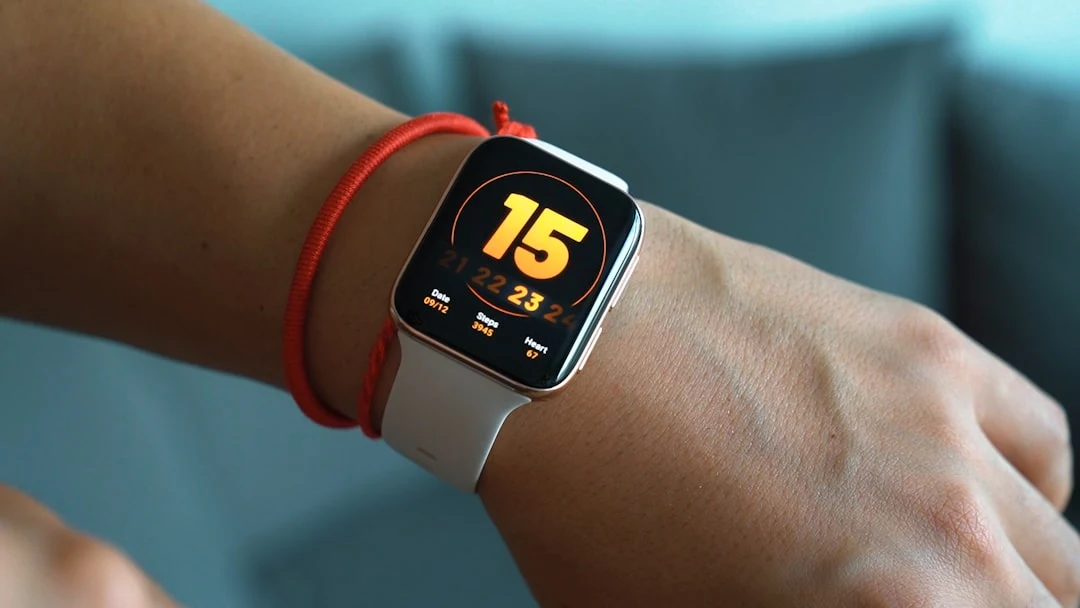
Navigating the Data Stream: Harnessing Fitness Trackers for Enhanced Performance and Wellbeing
Unlock the full potential of fitness trackers for performance and wellbeing. Learn to interpret biometric data, integrate insights with nutrition, and balance technology with self-awareness for holistic health.
In an era saturated with data, fitness trackers have emerged as ubiquitous companions, promising unprecedented insights into our physiological landscape. From monitoring our steps to scrutinizing our sleep cycles, these sophisticated devices offer a window into our daily habits and their profound impact on health. Yet, as senior analysts in NutriScience, our editorial analysis shows that the true power of this technology lies not merely in data collection, but in its judicious interpretation and integration with intrinsic self-awareness. The foundational rule remains: check in with yourself before you check in with the data. This article will delve into how to strategically leverage fitness trackers to optimize performance and foster holistic wellbeing, ensuring technology serves as an enhancer, not a replacement, for our innate bodily intelligence. Our journey into advanced self-monitoring should always begin with intent. Are we seeking to refine athletic performance, improve sleep quality, manage stress, or simply cultivate greater daily movement? Clarifying these goals is crucial for filtering the deluge of metrics and focusing on what truly matters. By prioritizing self-reflection, individuals can transform raw data into actionable insights, fostering sustainable health habits rooted in personal experience and objective feedback. This symbiotic relationship between intuition and information is the cornerstone of truly effective health optimization in the modern age.
Empowering Health with Smart Wearables
- Fitness trackers provide valuable biometric data, but personal intuition remains paramount for sustainable health.
- Leveraging data like HRV, sleep patterns, and activity levels can optimize training and recovery strategies.
- Accuracy varies across metrics, with heart rate tracking generally more reliable than energy expenditure estimates.
- Integrate tracker insights with personalized nutritional strategies for holistic well-being and performance enhancement.
- Guard against data obsession by setting clear intentions and regularly 'checking in' with your body's signals.
- The wearable market is rapidly expanding, with innovative form factors like smart rings gaining significant traction.
- Continuous validation and user-centric design are critical for the future development and adoption of these health technologies.
The Expanding Universe of Biometric Data
The landscape of wearable technology has evolved dramatically, moving beyond simple step counting to encompass a sophisticated array of biometric measurements. Today's fitness trackers can monitor heart rate, heart rate variability (HRV), sleep stages, blood oxygen saturation (SpO2), skin temperature, and even detect irregular heart rhythms. This proliferation of data points offers an intricate portrait of our physiological state, providing valuable context for nutritional strategies and recovery protocols. For instance, a consistently low HRV might signal overtraining or elevated stress, prompting a re-evaluation of both training intensity and dietary support. The global wearable fitness tracker market is indeed experiencing robust growth, having been valued at USD 62.92 billion in 2024 and projected to reach USD 352.03 billion by 2033, demonstrating a compound annual growth rate (CAGR) of 18.5% from 2025 to 2033.
Decoding Key Metrics for NutriScience Insights
Understanding the nuanced implications of fitness tracker data is vital for a NutriScience approach. Beyond caloric expenditure, metrics like heart rate zones can guide the intensity of workouts, informing the body's substrate utilization—whether it's primarily burning fats or carbohydrates. Sleep tracking, while having some accuracy limitations in discerning specific sleep stages, can reliably measure overall sleep duration, which is critical for recovery and metabolic health. A consistent pattern of insufficient sleep, for example, can impair glucose regulation and increase appetite, directly impacting nutritional choices. Furthermore, tracking resting heart rate provides a baseline for cardiovascular fitness and recovery status, offering a tangible metric that can be influenced by diet, hydration, and stress management. By connecting these dots, individuals gain a deeper appreciation for how their daily choices manifest physiologically.
The global fitness tracker market is experiencing substantial growth, projected to reach USD 65.0 billion by 2025, driven by increasing health consciousness and technological advancements. Notably, smart rings saw a remarkable 195% increase in unit volume in the first half of 2025, contributing significantly to market revenue. These devices have demonstrated their efficacy in promoting physical activity, with users averaging an additional 1800 steps and 40 minutes of walking daily, alongside an average body weight reduction of 1 kg.
The Primacy of Self-Awareness: Rule #1 in Action
Before diving into the intricate charts and graphs, the most critical step is to pause and genuinely assess your current state. How do you feel? Are you energized or fatigued? Are there any subtle aches or pains? This internal dialogue forms the bedrock of intuitive self-regulation. Data from a fitness tracker should serve as a cross-reference, either validating your internal sensations or prompting further investigation when discrepancies arise. For example, a tracker might indicate a 'good' night's sleep, but if you wake up feeling unrested, your subjective experience should take precedence. Over-reliance on data without self-reflection can lead to ignoring genuine bodily signals, potentially fostering anxiety or a disconnect from one's own well-being. This mindful approach ensures that technology augments, rather than dictates, your health journey.
Strategic Data Application for Performance & Recovery
For those focused on athletic performance, fitness trackers offer a powerful suite of tools. Monitoring training load through metrics like active minutes, steps taken, and calories burned allows for periodization of training, helping to prevent overtraining and optimize adaptation. For instance, observing a sustained elevation in resting heart rate or a drop in HRV could signal inadequate recovery, necessitating adjustments to training volume or intensity. This data-driven approach to recovery is particularly pertinent for athletes whose demanding schedules require precise physiological management. By leveraging these insights, individuals can fine-tune their routines, ensuring that their bodies are adequately fueled and rested to meet performance demands. This systematic review of systematic reviews and meta-analyses suggested that activity trackers improved physical activity (standardized mean difference [SMD] 0.3-0.6), body composition (SMD 0.7-2.0), and fitness (SMD 0.3).
NutriScience Synergy: Fueling the Data-Driven Body
Integrating fitness tracker data with NutriScience principles creates a powerful feedback loop. For instance, increased activity levels tracked by your device directly correlate with elevated energy expenditure, informing your caloric and macronutrient needs. For optimal muscle repair and growth post-exercise, understanding your activity intensity and duration, derived from tracker data, can help you adjust your protein intake. Our article, Comprehensive Protein Guidelines: Optimizing Intake for Health, Performance, and Longevity, provides detailed insights into tailoring protein consumption to your physiological demands. Furthermore, consistent tracking of hydration, if available, can highlight deficiencies that impact both physical and cognitive performance, guiding fluid and electrolyte replenishment. This holistic view ensures that your nutritional strategy is precisely aligned with your body's real-time needs, fostering peak performance and robust health.
Mitigating Data Overload and Obsession
The constant stream of data from fitness trackers, while informative, can also lead to obsessive monitoring or anxiety. It’s crucial to establish healthy boundaries with your device. This might mean setting specific times to review data rather than constantly checking it, or focusing only on a few key metrics relevant to your primary goals. Remember, the objective is to enhance health, not create a new source of stress. Sometimes, the most beneficial action is to simply remove the device for a period and rely solely on interoception – your internal sense of your body's state. As discussed in our previous article, The Cost of Health Optimization: Maximizing Longevity Without Compromise, true health optimization balances external tools with internal wisdom to avoid mental and emotional fatigue.
Key Performance & Market Data for Fitness Trackers
Wearable fitness trackers are not only popular but also demonstrably impactful in shaping health behaviors and driving market growth. User adoption is steadily increasing, with a significant shift towards more advanced functionalities and innovative form factors. The data clearly shows their utility in promoting physical activity and providing accessible health metrics, albeit with varying degrees of accuracy across different parameters.
| Metric/Aspect | Current Data (Latest Available) | Key Implication |
|---|---|---|
| Global Market Revenue (2025) | USD 65.0 Billion (Projected) | Indicates strong consumer demand and industry growth for health monitoring. |
| US Market CAGR (2024-2033) | 15.3% | Reflects sustained interest and investment in personal health technologies in the US. |
| Smart Ring Unit Volume Growth (2025) | 195% Increase (Year-over-year) | Highlights a consumer shift towards less obtrusive, yet highly functional, wearable form factors. |
| Average Steps Increase per Day (Tracker Users) | ~1800 Extra Steps | Direct evidence of effectiveness in promoting increased physical activity. |
| Average Daily Walking Increase (Tracker Users) | ~40 Minutes More | Reinforces the role of trackers in encouraging adherence to activity guidelines. |
| Average Body Weight Reduction (Tracker Users) | ~1 kg | Demonstrates a measurable impact on body composition with consistent use. |
| Heart Rate Tracking Accuracy | 76.35% (Average) | Generally reliable for cardiovascular monitoring during daily activities. |
| Step Count Tracking Accuracy | 68.75% (Average) | Offers moderate reliability for activity quantification. |
| Energy Expenditure (Calories Burned) Accuracy | 56.63% (Average) | Less precise; users should interpret caloric burn estimates with caution. |
| First-Time Smartwatch Users Citing Health Monitoring (2025) | 61% | Health benefits are a primary driver for new adoptions. |
Future Implications & Analytical Insights
The trajectory of fitness trackers points towards even deeper integration with personalized health ecosystems. Future devices will likely feature enhanced sensor accuracy, particularly for metrics like continuous blood glucose monitoring and more precise sleep stage detection. Our analytical insights suggest a move towards predictive analytics, where trackers not only report current states but also forecast potential health risks or performance plateaus, offering proactive recommendations for nutritional adjustments, recovery strategies, or stress management techniques. The challenge for NutriScience professionals will be to translate these increasingly complex data streams into practical, digestible, and personalized advice that empowers individuals without overwhelming them. The evolution of smart rings, capturing 75% of total fitness tracker revenue in early 2025, signifies a trend towards more discreet yet powerful health monitoring, further blurring the lines between consumer electronics and medical-grade diagnostics.
- Jakarta's Food Culture Transformation: A NutriScience Perspective
- High-Protein Gluten-Free Waffles: A NutriScience Guide to a Better Breakfast
- IBS Client Support: A NutriScience Guide to Managing Irritable Bowel Syndrome
- Food Systems Under Scrutiny: Unmasking the USD 12.7 Trillion Bill in Hidden Costs – A NutriScience Perspective on a Profound Underestimation
- Navigating the Nutritional Landscape: Books That Shaped My 2025 Insights
- Homemade Microwave Popcorn: A NutriScience Guide to Healthy Snacking
- The Rise of Baruka Nuts: A NutriScience Deep Dive into Baru Almonds
- The Cost of Health Optimization: Maximizing Longevity Without Compromise
Frequently Asked Questions
How accurate are fitness trackers for various health metrics?
Accuracy varies by metric and device. Heart rate tracking is generally reliable (around 76%), while step count is moderately accurate (around 69%). Energy expenditure (calories burned) tends to be less precise (around 57%) across commonly used trackers.
Can fitness trackers genuinely help with weight management?
Yes, by increasing awareness of physical activity and energy expenditure, trackers can aid weight management. Studies show users average 1800 more steps and 40 minutes more walking daily, contributing to an average 1 kg weight reduction.
How often should I check my fitness tracker data to avoid obsession?
The ideal frequency is personal. Consider checking data once or twice a day, focusing on patterns rather than minute-by-minute fluctuations. Prioritize your subjective feelings and use data to validate or question, not dictate, your health approach.
