
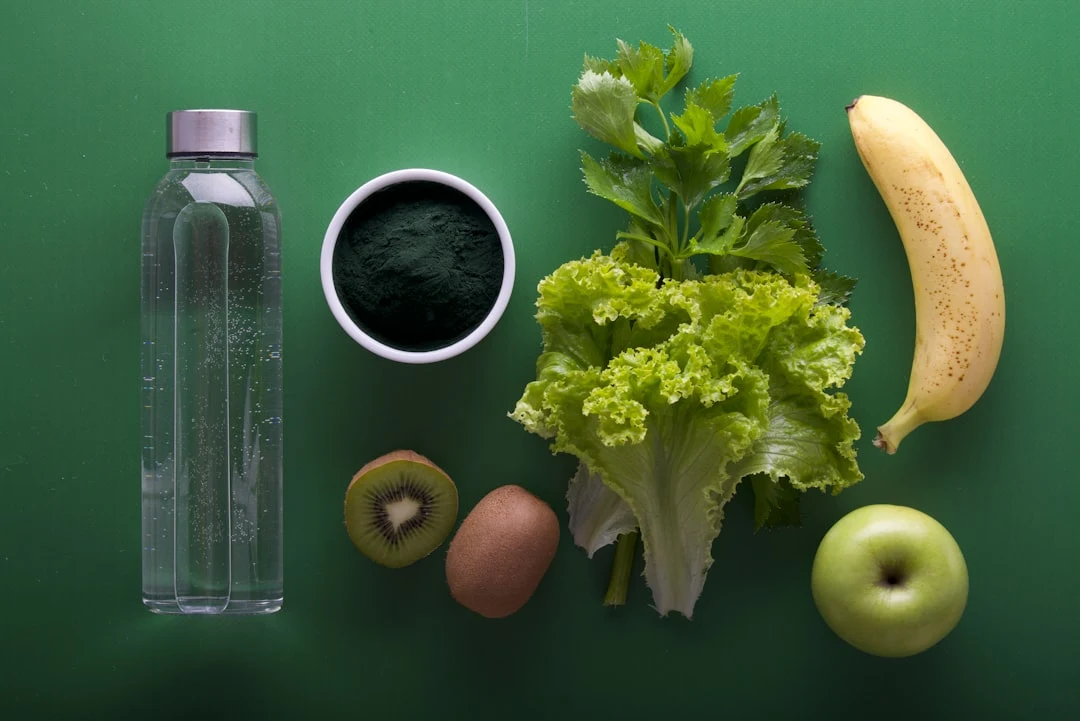
Top 10 NutritionFacts.org Videos of 2025: A Year of Breakthroughs in NutriScience
Explore NutritionFacts.org's top 10 videos of 2025, highlighting breakthroughs in gut microbiome health, the impact of ultra-processed foods, and plant-based longevity. Discover key insights and policy shifts shaping NutriScience.
As we step into 2026, the landscape of NutriScience continues its dynamic evolution, propelled by relentless research and a growing public demand for evidence-based health insights. At NutritionFacts.org, 2025 was a landmark year, marked by the release of over a hundred new videos distilling tens of thousands of research hours into actionable dietary wisdom. These videos illuminated critical advancements, reinforcing our mission to empower individuals with the knowledge to cultivate sustainable health habits. Our editorial analysis shows that the most impactful videos of 2025 resonated deeply with our audience, reflecting significant shifts in scientific understanding across gut microbiome health, the pervasive impact of ultra-processed foods, and the intricate links between diet, longevity, and global environmental health. This year’s top selections not only synthesized complex data but also provided clear, practical guidance for adults prioritizing their well-being in an increasingly complex nutritional environment.
2025's Defining NutriScience Moments
- Microbiome Centrality: 2025 firmly established the gut microbiome as a cornerstone of overall health, influencing immunity, metabolism, and neurological well-being, with diet emerging as its primary modulator.
- UPF Epidemic: The year brought undeniable evidence and policy momentum against Ultra-Processed Foods, revealing their pervasive negative impact on organ systems and their significant role in the obesity crisis.
- Plant-Forward Longevity: Scientific consensus solidified around plant-based diets as a leading strategy for extending healthy lifespan, demonstrating quantifiable benefits in disease prevention and cognitive function.
- Climate-Nutrition Nexus: Critical research highlighted how climate change directly impairs food's nutritional value, underscoring the urgent need for integrated sustainable food policies.
- Policy & Public Will: A surge in governmental and grassroots initiatives in 2025 reflected a growing public demand for healthier food environments, translating scientific findings into tangible policy actions.
- Personalized Nutrition Ascendant: The promise of precision nutrition, tailored by individual genetics and microbiome profiles, began to move from theoretical concept to practical application, offering more effective health outcomes.
The Gut Microbiome: A New Frontier in Health
The intricate world of the gut microbiome dominated much of the NutriScience discourse in 2025, with several breakthrough videos from NutritionFacts.org. Research presented at the 13th Gut Microbiota for Health World Summit in March 2025 underscored the profound influence of gut bacteria on metabolic, immune, and age-related diseases. Specifically, a study involving researchers from the University of Alberta in March 2025 demonstrated that mimicking a traditional, non-industrialized diet could restore damaged gut microbiomes and reduce "bad" cholesterol levels by an average of 17% and blood sugar levels by almost 7% in just three weeks. This paradigm shift highlights how dietary components like prebiotics and probiotics can significantly modify gut microbiota, impacting everything from neurological functions to mental well-being. Our in-depth analysis of these findings revealed that focusing on diverse, fiber-rich whole plant foods is paramount for fostering a resilient internal ecosystem. Videos exploring the "Diet-Gut Microbiome Nexus" detailed how specific dietary interventions can modulate the gut-brain axis, presenting promising approaches for preventing or treating conditions like depression and anxiety. This burgeoning field offers compelling evidence that personalized nutrition, informed by microbiome insights, is not just a future trend but a present imperative.
The Pervasive Threat of Ultra-Processed Foods (UPFs)
2025 was a pivotal year in unmasking the widespread harms of Ultra-Processed Foods (UPFs). Multiple investigations, including a comprehensive review in *Endocrinology* in July 2025, provided "overwhelming evidence" that UPFs promote overeating and significantly increase the risk of obesity. NutritionFacts.org videos extensively covered the *Lancet* series of papers from November 2025, which concluded that UPFs are a "leading contributor to chronic disease" and are linked to harm in every major organ system. These industrially formulated, additive-laden options now constitute over half of the daily caloric intake for U.S. adults, and two-thirds for children and teens. The critical takeaway from these videos emphasized that UPFs disrupt natural hunger cues, alter the gut microbiome, and expose consumers to harmful chemicals and additives. Our expert commentary highlighted the urgent need for public health action and a re-connection to whole foods, reinforcing that focusing on food quality, rather than just macronutrient composition, is key to preventing weight gain and improving long-term health outcomes.
The year 2025 saw significant research emphasizing the quantifiable benefits of plant-centric diets and the detriments of ultra-processed foods. Studies highlighted increased healthspan probabilities and a clear link between dietary choices and the escalating global health crisis. These numeric insights underscore the urgency and efficacy of adopting whole-food, plant-based nutritional strategies.
Longevity and Plant-Based Diets: Extending Healthspan
The quest for healthy aging and longevity remained a central theme in NutriScience throughout 2025, with NutritionFacts.org videos spotlighting the transformative power of plant-rich diets. A Nature Medicine study published in March 2025 found that adherence to specific healthy dietary patterns, particularly those rich in plant-based foods, could increase the chance of healthy aging by up to 86% at age 70. The Alternative Healthy Eating Index (AHEI) diet, emphasizing fruits, vegetables, whole grains, nuts, and legumes while limiting animal products and highly processed foods, was identified as most influential in maintaining strong mental and physical health. Videos in this category meticulously broke down how plant-based nutrition, replete with fiber, antioxidants, and diverse phytonutrients, actively combats age-related decline, oxidative stress, and systemic inflammation. Our analysis underscored that consuming plant foods is not merely about extending lifespan, but crucially, about enhancing "healthspan" – the period of life spent in good health. For further insights on how scientific literature shaped our understanding this year, consider exploring Navigating the Nutritional Landscape: Books That Shaped My 2025 Insights.
Nutrition and Climate Change: A Planetary Health Perspective
The intertwined crises of climate change and nutrition received significant attention in 2025, with NutritionFacts.org producing compelling videos on "planetary health diets." Research published in July and December 2025 highlighted that rising CO2 levels and higher temperatures are silently "sapping the nutrients" from our food, degrading the nutritional value of crops like kale and spinach, even as yields increase. This "hidden hunger" poses a severe threat to global health, particularly for communities already facing nutritional stress. These videos explored the complex, multidirectional pathways through which climate change impacts food security, diets, and nutrition outcomes, especially undernutrition. They advocated for integrated approaches that simultaneously address climate adaptation and improve nutrition, emphasizing sustainable food systems and nutrient-dense diets. The call to action from experts in February 2025 to strengthen commitments to integrated climate-nutrition investments resonated strongly, highlighting that aligning solutions to both crises is essential for future global well-being.
The Evolution of Plant-Based Trends
The plant-based movement continued its dynamic growth in 2025, moving beyond simple meat and dairy alternatives to "celebrating plants as culinary stars". NutritionFacts.org videos showcased key trends, including enhanced nutritional profiles of plant-based foods, a focus on clean labels, and sustainable ingredient sourcing. Consumers are increasingly seeking diversified plant proteins beyond soy and pea, exploring options like lentils, chickpeas, and fava beans. Our expert commentary pointed out that this evolution is driven by evolving consumer preferences for health, sustainability, and environmental considerations. Videos highlighted innovative ingredients and products, such as fermented lentil powder for egg alternatives, and the mainstreaming of plant-based options by legacy brands. This shift indicates a broader acceptance and understanding that plant-based nutrition offers both health benefits and a lower environmental footprint.
Policy and Public Health: Shaping Our Food Systems
2025 was a year of significant policy shifts and growing public health advocacy, a topic thoroughly covered by NutritionFacts.org. Videos delved into the 2025-2030 Dietary Guidelines for Americans, which placed greater emphasis on plant-based proteins and reduced consumption of red and processed meat. State-level actions also gained momentum, with numerous states passing bans on dyes and additives in schools, and California leading the way in defining and moving to ban ultra-processed foods from its food supply, including school meals. Our analytical insights explored the "Make America Healthy Again" (MAHA) movement, which aimed for wide-ranging food system reform, including efforts to accelerate a coordinated nutrition research agenda focused on the health impacts of ultra-processed foods and food additives. This confluence of policy changes and public health awareness underscores a growing recognition of nutrition's central role in societal well-being and the need for robust regulatory frameworks to support healthier eating. The implications for school meals, in particular, were a critical focus, with new added sugar standards taking effect for specific products starting July 1, 2025.
Quantitative Insights from 2025 NutriScience Research
undefined
| Metric/Comparison | Key Finding (2025 Research) | Source Snippet Index |
|---|---|---|
| Healthy Aging Probability | Up to 86% higher chance of healthy aging at age 70 with plant-rich diets. | 4, 11 |
| Ultra-Processed Food (UPF) Intake | Over 50% of daily calories for U.S. adults; 66% for kids/teens. | 2 |
| Diet vs. Inactivity in Obesity | Diet plays a 10x greater role than inactivity in obesity epidemic. | 9 |
| Gut Microbiome Restoration | 17% reduction in "bad" cholesterol; 7% reduction in blood sugar in 3 weeks. | 3 |
| Cardiovascular Disease Risk (UPF) | 17% greater risk with highest UPF intake vs. lowest. | 16 |
| Coronary Heart Disease Risk (UPF) | 23% greater risk with highest UPF intake vs. lowest. | 16 |
| Stroke Risk (UPF) | 9% greater risk with highest UPF intake vs. lowest. | 16 |
| Crop Nutrient Decline (CO2) | Significant decrease in zinc (e.g., up to 37.5% in chickpeas), protein, iron. | 27 |
| School Lunch Health Improvement | 41% healthier post-HHFKA standards (Healthy Eating Index). | 31 |
| School Breakfast Health Improvement | 44% healthier post-HHFKA standards (Healthy Eating Index). | 31 |
- Quick & Healthy Back-to-School Dinners: A NutriScience Guide
- Jakarta's Food Culture Transformation: A NutriScience Perspective
- High-Protein Gluten-Free Waffles: A NutriScience Guide to a Better Breakfast
- IBS Client Support: A NutriScience Guide to Managing Irritable Bowel Syndrome
- Food Systems Under Scrutiny: Unmasking the USD 12.7 Trillion Bill in Hidden Costs – A NutriScience Perspective on a Profound Underestimation
- Navigating the Nutritional Landscape: Books That Shaped My 2025 Insights
- Fitness Trackers: Enhance Performance & Wellbeing with Data | NutriScience
- Homemade Microwave Popcorn: A NutriScience Guide to Healthy Snacking
Frequently Asked Questions
How does the gut microbiome influence brain health?
Research in 2025 revealed that the gut microbiome-brain axis operates through microbial metabolic products, which can be altered by diet. These changes can influence neurological pathways, endocrine signaling, and immune responses, offering promising nutritional therapies for mental health conditions like depression and anxiety.
What is the primary concern with Ultra-Processed Foods (UPFs) highlighted in 2025?
The major concern is their overwhelming evidence linking them to overeating, increased risk of obesity, and harm to every major organ system. UPFs disrupt natural hunger cues, negatively impact the gut microbiome, and are often more affordable and widely available, contributing to health disparities.
How much healthier are school meals now compared to before 2010 policy changes?
Following the implementation of stronger nutrition standards under the Healthy, Hunger-Free Kids Act of 2010, school lunches became 41% healthier, and school breakfasts became 44% healthier, as measured by the Healthy Eating Index score.
Can diet truly impact longevity and healthy aging?
Absolutely. Studies in 2025 strongly affirmed that adherence to plant-rich dietary patterns, like the Alternative Healthy Eating Index, significantly increases the likelihood of healthy aging, with up to an 86% higher chance of maintaining strong mental and physical health at age 70.
What impact does climate change have on the nutritional value of our food?
Preliminary research in 2025 indicated that rising atmospheric CO2 and higher temperatures cause crops to grow faster but become less nutrient-dense. This leads to a reduction in vital minerals like zinc and protein, raising concerns about "hidden hunger" and global health.
