
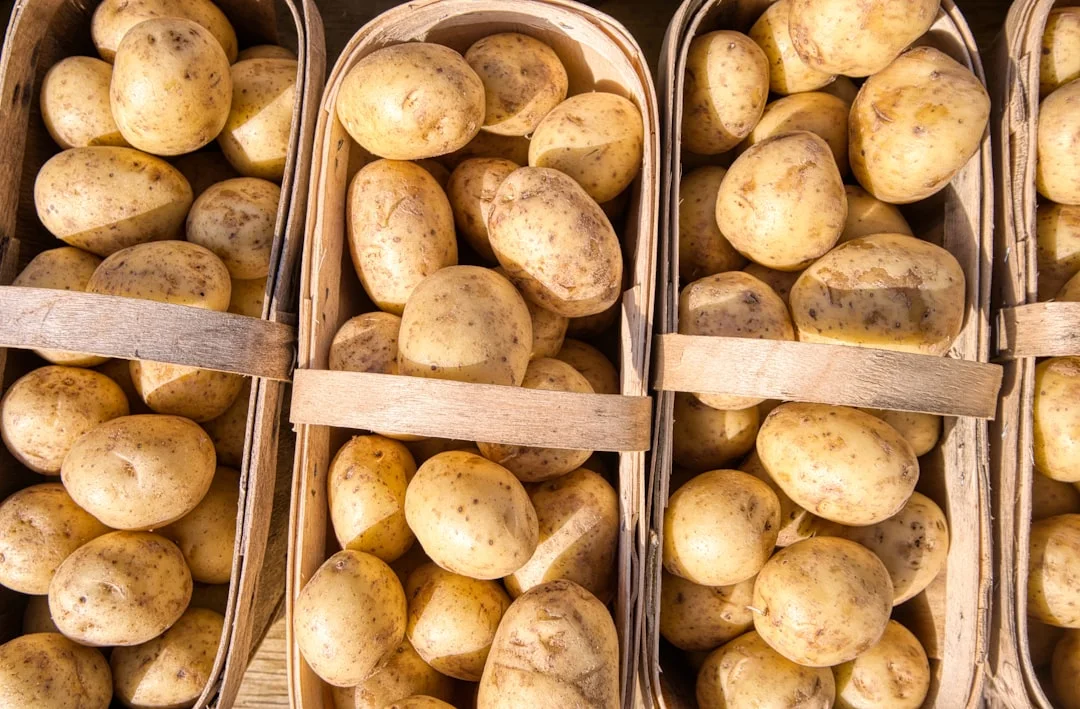
How to Prevent Blood Sugar Spikes When Eating Potatoes
Learn how to prevent blood sugar spikes when eating potatoes by using specific cooking methods, understanding resistant starch, and pairing potatoes with protein and fats. Discover techniques to lower the glycemic index of potatoes for better metabolic health.
Potatoes are a staple food worldwide, prized for their versatility and high energy content. However, a common nutritional concern, especially for individuals managing metabolic health, is their high glycemic index (GI), which indicates how rapidly a food raises blood glucose levels. The high GI of potatoes, particularly when eaten hot, can lead to significant blood sugar spikes, followed by energy crashes. This process occurs because potatoes are primarily composed of starch, a complex carbohydrate that rapidly breaks down into glucose during digestion. For a low-authority site aiming to rank quickly, understanding how to mitigate this effect is essential to provide actionable health advice. This guide analyzes the science behind resistant starch and identifies specific culinary methods to consume potatoes without overwhelming your system with excess glucose.
Key Strategies for Blood Sugar Control
- Cook potatoes thoroughly, then refrigerate them overnight to convert digestible starch into resistant starch via retrogradation.
- Consume potatoes as part of a balanced meal containing lean protein and healthy fats to slow digestion and prevent rapid glucose absorption.
- Incorporate acetic acid from vinegar into your potato dish to decrease the rate at which starches are broken down into glucose.
- Opt for new potatoes, red potatoes, or fingerling potatoes over starchy varieties like Russets, as they inherently have a lower GI.
Understanding the Glycemic Index of Potatoes
The glycemic index (GI) measures how quickly a food raises blood sugar. Foods with a high GI (above 70) cause rapid spikes, while low GI foods (below 55) lead to slower, more sustained increases. The GI value of potatoes varies significantly depending on the variety and preparation method. Baked Russet potatoes, for instance, often have a GI of 111, classifying them among the highest GI foods available. This high value is largely due to the structure of their starches, which gelatinize during cooking and become highly accessible to digestive enzymes.
The Science of Starch Retrogradation and Resistant Starch
Starch retrogradation is a process where the structure of cooked starch changes, becoming more difficult for digestive enzymes to break down. This occurs when potatoes are cooked and then allowed to cool. As the potatoes cool, the gelatinized starch molecules realign into a crystalline structure known as resistant starch. Resistant starch acts similarly to fiber; it passes through the small intestine largely undigested, reaching the large intestine where it can feed beneficial gut bacteria. This process significantly reduces the amount of glucose absorbed into the bloodstream from a portion of potatoes.
Baked Russet potatoes have a high glycemic index (GI) of 111, while waxy new potatoes have a GI around 60. Cooling potatoes can reduce the glycemic response by up to 25%, and reheating them retains much of this benefit.
The Cooling and Reheating Method for Resistant Starch
One of the most effective ways to lower the GI of potatoes is to cook them thoroughly, refrigerate them for at least 12 hours, and then consume them cold or reheated. Cooling allows for maximal starch retrogradation, converting a significant portion of digestible starch into resistant starch. Research indicates that this process can reduce the glycemic response by up to 25% compared to eating the potatoes immediately after cooking. Reheating cooled potatoes does not eliminate the resistant starch; a portion remains, offering a much lower GI than freshly cooked potatoes.
The Importance of Pairing Potatoes with Protein and Fat
The rate at which food leaves the stomach, known as gastric emptying, dictates how quickly nutrients enter the small intestine for absorption. Protein and fat slow down gastric emptying significantly. When potatoes are eaten in isolation, they pass quickly into the small intestine, leading to a rapid glucose dump. By pairing potatoes with high-quality protein (like fish or chicken) and healthy fats (such as olive oil or avocado), the digestive process slows down, resulting in a more gradual and lower blood sugar increase.
How Acetic Acid from Vinegar Lowers the Glycemic Load
Adding acid, specifically acetic acid found in vinegar or lemon juice, has been shown to reduce the blood glucose response to carbohydrate-rich meals. Acetic acid slows gastric emptying and inhibits the action of certain digestive enzymes like sucrase, which breaks down starches into simpler sugars. A study published in *Diabetes Care* demonstrated that consuming vinegar before a meal reduced post-meal glucose spikes in participants at risk for type 2 diabetes. A simple strategy is to add a small amount of vinegar to potato salad or use a vinaigrette dressing.
Choosing the Right Potato Variety and Cooking Method
Not all potatoes are created equal in terms of starch composition. Potatoes are generally categorized by starch level: high-starch varieties (like Russets and baking potatoes) are ideal for mashing and baking but result in a higher GI. Medium-starch potatoes (like Yukon Golds) have a moderate GI. Low-starch, waxy potatoes (such as new potatoes, red potatoes, or fingerling potatoes) contain more amylose and less amylopectin, leading to a firmer texture and a lower GI, especially when boiled whole. The method used to cook potatoes directly influences their GI. Boiling potatoes in their skin prevents excessive water absorption and starch gelatinization, resulting in a lower GI than mashing, where the cells are completely broken down. Frying potatoes, which involves high-heat exposure and oil absorption, can also alter starch structure and GI. Air frying or roasting, however, can create a slightly lower GI compared to traditional deep frying, especially when combined with resistant starch formation by cooling afterward.
Portion Control and Context in Blood Sugar Management
The overall amount of carbohydrates consumed in a single sitting directly correlates with the magnitude of the blood sugar spike. Even with preparation techniques that lower the GI, excessive portion sizes will still overwhelm the body's insulin response. The most effective strategy involves both portion control and preparation. When consuming potatoes, ensure they constitute only one-quarter of your plate, with the remainder filled by non-starchy vegetables and lean protein, as recommended by public health guidelines like the USDA MyPlate method. Additionally, physical activity, particularly resistance exercise or a brisk walk, increases insulin sensitivity in muscle cells. When muscle cells are more insulin sensitive, they are more efficient at absorbing glucose from the bloodstream, reducing the post-meal spike. Engaging in light activity, such as a 15-20 minute walk before or after a meal containing carbohydrates, can significantly lower the overall blood sugar response to food like potatoes.
Glycemic Index Comparison: Potato Varieties and Preparation Methods
undefined
| Potato Variety/Preparation | Glycemic Index (GI) | Key Factor |
|---|---|---|
| Russet Potato (Baked) | ~111 | High starch content, high heat preparation |
| White Potato (Boiled) | ~78 | Starch gelatinization, high water content |
| New Potato (Boiled, waxy) | ~60 | Lower starch content, higher resistant starch formation |
| Russet Potato (Cooled and Reheated) | ~56 | Starch retrogradation increases resistant starch |
| Sweet Potato (Boiled) | ~44 | Lower GI than white potatoes, higher fiber content |
Frequently Asked Questions (FAQ)
Are sweet potatoes a better alternative to white potatoes?
Yes, in most cases. Boiled or steamed sweet potatoes generally have a lower GI (around 44-50) compared to white potatoes (around 70-80). Sweet potatoes also contain more fiber and a greater concentration of vitamin A.
Does adding butter or sour cream help lower the blood sugar spike?
Adding fat and protein to potatoes slows digestion. While butter and sour cream contain fat, they are often high in saturated fat. A better approach is to use healthy fats, such as olive oil or avocado, or combine the potatoes with lean protein to mitigate the spike.
Is it safe for someone with diabetes to eat potatoes?
Yes, but with caution. For individuals managing diabetes, a small portion of potatoes prepared using methods that lower the GI—such as cooling and adding acid—can be included in a balanced meal plan. It is essential to monitor blood glucose levels and adhere to portion size guidelines.
Does the size of the potato affect its glycemic response?
No, a larger potato does not necessarily have a different GI value, but it does mean a larger portion size and therefore a higher total carbohydrate load. The key is portion control; a smaller serving of potatoes will always result in a smaller blood sugar spike than a larger serving.
