How Will Technology Reshape Personalized Nutrition Trends in 2026?
The field of personalized nutrition is rapidly evolving in 2026, driven by advancements in wearable technology, continuous glucose monitors (CGMs), and AI-powered data analysis. Learn how these tools are enabling individuals to move beyond generic advice to optimize their unique metabolic responses for better health outcomes.
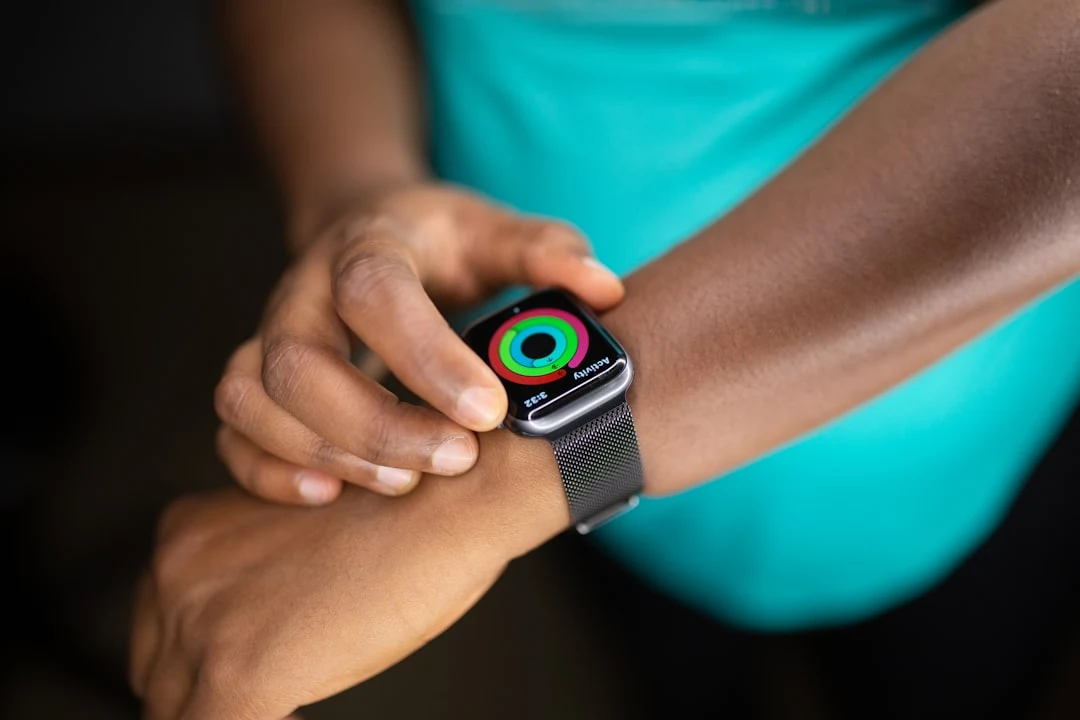
The field of nutrition science is experiencing a rapid transition from generalized dietary guidelines to hyper-personalized, data-driven health strategies. As of early 2026, this shift is primarily driven by advancements in consumer-level technology. New tools, including advanced wearable devices, continuous glucose monitors (CGMs), and AI-powered data analysis platforms, are enabling individuals to move beyond broad recommendations like calorie counting. Instead, users can now receive specific insights into their unique metabolic responses to food, exercise, and sleep. This trend promises to redefine how individuals manage chronic conditions, optimize performance, and maintain long-term metabolic health by connecting dietary choices directly to real-time physiological outcomes.
Key Takeaways on Personalized Nutrition Technology
- Technology is shifting focus from generalized dietary advice to individual metabolic response, emphasizing how your body reacts rather than just what to eat.
- Continuous Glucose Monitors (CGMs) are transitioning from clinical tools to preventative health devices, allowing non-diabetics to optimize blood sugar stability and metabolic health.
- AI and data analytics are essential for interpreting complex biofeedback data and providing predictive guidance on how specific foods will affect individual health outcomes.
- Personalized nutrition in 2026 requires combining genetics, microbiome analysis, and real-time data, as relying on only one source provides incomplete information.
The Shift from Macro-Level Advice to Micro-Level Biofeedback
The core change in nutri-science is the move away from broad dietary rules toward individual metabolic response analysis. For decades, recommendations focused on caloric intake and macronutrient ratios (carbs, protein, fat). However, research demonstrates that different individuals process identical foods differently due to unique gut microbiomes and genetic predispositions. Technology now makes it possible to measure these individual responses in real time. This micro-level data allows for adjustments that improve metabolic flexibility and long-term health outcomes rather than just managing weight in the short term.
The Integration of Continuous Glucose Monitors (CGMs)
Continuous Glucose Monitors (CGMs) were initially developed for Type 1 diabetes management. As of 2026, these devices have become a primary tool for preventative nutrition. They allow non-diabetic users to track their unique blood sugar fluctuations in response to specific foods, stress, and sleep patterns. By identifying foods that cause high glucose spikes, users can optimize their diet to avoid insulin resistance, a key factor in developing metabolic syndrome and other chronic diseases. This real-time data collection provides immediate feedback that traditional periodic blood work cannot match.
Projections for 2026 indicate that Continuous Glucose Monitoring (CGM) and AI-Powered Analysis Platforms will have a high impact on personalized nutrition, driving consumer demand and enabling precision recommendations. In contrast, Gut Microbiome Testing and At-Home Genetic Testing are predicted to have a medium impact, providing baseline information but requiring further integration with real-time data for full efficacy.
The Rise of AI-Powered Dietary Coaches
Artificial intelligence (AI) and machine learning (ML) are essential to processing the vast amount of data generated by wearables, CGMs, and food tracking apps. An AI coach can analyze thousands of data points to identify personalized dietary patterns and create predictive models for a user's health. For example, AI can predict how a specific meal, combined with a user’s current activity level and sleep quality, will affect their blood sugar and energy levels hours later. This moves beyond basic food logging to provide anticipatory guidance based on individual physiology.
Nutrigenomics and Epigenetic Analysis
Nutrigenomics explores how specific genes influence a person’s response to nutrients. While early genetic tests offered limited value, newer applications in 2026 focus on specific health goals. This includes identifying genetic predispositions for certain vitamin deficiencies, caffeine sensitivity, or an individual’s ability to metabolize fats. Epigenetics, which studies how environmental factors like diet impact gene expression, is also gaining traction. Combining this data allows for highly specific dietary plans that go beyond general recommendations for a given population.
The Gut Microbiome and Personalized Interventions
A critical component of personalized nutrition in 2026 is the analysis of the gut microbiome. The specific composition of an individual's gut bacteria determines how efficiently they extract nutrients from food and metabolize certain compounds. New-generation microbiome testing allows for detailed analysis of these bacterial strains. Based on this analysis, personalized nutrition plans can recommend specific prebiotic and probiotic interventions tailored to improve gut diversity and function. This approach moves beyond generic probiotic supplements by targeting specific deficiencies or imbalances.
Clarifying the Misconception: Genes vs. Environment
What many articles miss is the difference between genetic predisposition and current physiological state. While genetic tests provide a "roadmap" of potential risks or sensitivities, they do not provide a real-time assessment of how the body currently responds to food. A successful personalized nutrition strategy in 2026 requires combining genetic information with dynamic data from CGMs and wearables. This hybrid approach allows for immediate behavioral modification based on current biofeedback, rather than just relying on fixed genetic risk factors.
The Democratization of Advanced Diagnostics
Previously, advanced metabolic testing was only available in clinical settings. Now, the market for at-home diagnostic kits is growing significantly. These kits allow users to measure key biomarkers in their blood, urine, or saliva. The analysis can provide insights into inflammation markers (like hs-CRP), vitamin deficiencies, and specific hormone levels. As of early 2026, new subscription models for these tests are making them accessible to a broader consumer base, shifting healthcare from reactive treatment to proactive prevention.
Technology Impact Matrix: 2026 Projection
undefined
| Technology Trend | Primary Impact on Nutrition Science | Predicted 2026 Impact |
|---|---|---|
| Continuous Glucose Monitoring (CGM) | Real-time metabolic feedback; identifies individual food triggers for non-diabetics. | High |
| AI-Powered Analysis Platforms | Interprets complex data from multiple sources (CGM, wearables, genetics) to create predictive models. | High |
| Gut Microbiome Testing | Identifies specific bacterial imbalances for targeted probiotic/prebiotic intervention. | Medium |
| At-Home Genetic Testing (Nutrigenomics) | Identifies fixed genetic predispositions to nutrient metabolism or sensitivities. | Medium |
The Regulatory Response and Future Policy Implications
The rapid growth of personalized nutrition technology presents new challenges for regulatory bodies. As of early 2026, regulatory frameworks for these consumer products are evolving to address issues of data privacy, accuracy of claims, and safety standards. This includes potential changes to food labeling requirements to support personalized recommendations. The emerging concept of "food-as-medicine" is also gaining traction, where health systems are exploring reimbursement models for personalized nutrition interventions as part of standard medical treatment for chronic diseases.
- What Emerging Trends in Nutri-Science Will Impact Health in 2026?
- What Are the Key Emerging Trends in Nutri-Science for 2026?
- How Will NutriScience Trends Impact Health in 2026?
- What Are the Emerging NutriScience Trends for 2026?
- How Will AI and Nutrigenomics Change Personalized Nutrition?
- How Will AI Personalized Nutrition Change Diet Advice?
- How Will AI Change Personalized Nutrition for Gut Health?
- How Will AI Tools Create Personalized Nutrition Plans for Gut Health?
Frequently Asked Questions
Will personalized nutrition be covered by health insurance in 2026?
As of early 2026, coverage is limited. Some health systems and wellness programs are beginning to explore reimbursement for personalized nutrition interventions, especially when linked to managing pre-diabetes or heart disease. Widespread coverage will depend on further clinical evidence validating long-term cost savings.
What is metabolic flexibility and how does technology measure it?
Metabolic flexibility is the body’s ability to efficiently switch between burning carbohydrates and burning fat for energy. Technology like CGMs and specific breath analyzers measure this by tracking how quickly the body processes different fuel sources. Improving flexibility can enhance energy levels and reduce weight gain.
Are personalized supplement recommendations based on genetic tests accurate?
Genetic tests provide a baseline understanding of potential needs. However, a personalized supplement recommendation must combine genetic data with current biomarker levels (e.g., blood vitamin D levels). A plan based solely on genetics may recommend supplements that are unnecessary for an individual's current diet.
Is personalized nutrition more expensive than traditional dieting?
Yes, initial costs for technology such as CGMs, genetic testing kits, and premium AI platform subscriptions can be higher than traditional dieting methods. However, cost-effectiveness is improving as the technology becomes more mainstream and competition increases.