
How AI and Wearables Are Changing Nutrition Advice
Discover how AI and wearable technology are revolutionizing nutrition by providing personalized, real-time dietary recommendations based on individual biometric data, moving beyond one-size-fits-all diet plans.
Why do standard diet plans fail so often? For decades, nutritional recommendations have relied on generalized guidelines designed for the "average" person, ignoring unique variables like an individual's metabolism, activity level, and gut microbiome. This one-size-fits-all approach is inherently inefficient for sustainable health outcomes. However, a significant shift is underway. The convergence of artificial intelligence (AI) and biometric wearables is moving personalized nutrition from a niche concept to a mainstream reality. This technology now allows users to understand exactly how their unique physiology reacts to specific foods in real-time, enabling highly precise and adaptive dietary adjustments that were previously unavailable outside of clinical trials.
Key Takeaways on Personalized Nutrition
- Personalized nutrition uses individual biometric data to move beyond generalized diet plans.
- Wearables provide continuous data on physiological responses, enabling AI to correlate food intake with physical impact in real-time.
- AI algorithms establish precise cause-and-effect relationships between specific foods and individual responses.
- The focus shifts from general advice to optimizing specific health outcomes like blood sugar stability.
- AI empowers nutritionists by handling data collection, allowing them to focus on complex strategy and behavioral counseling.
The Shift from General Guidelines to Dynamic Data Collection
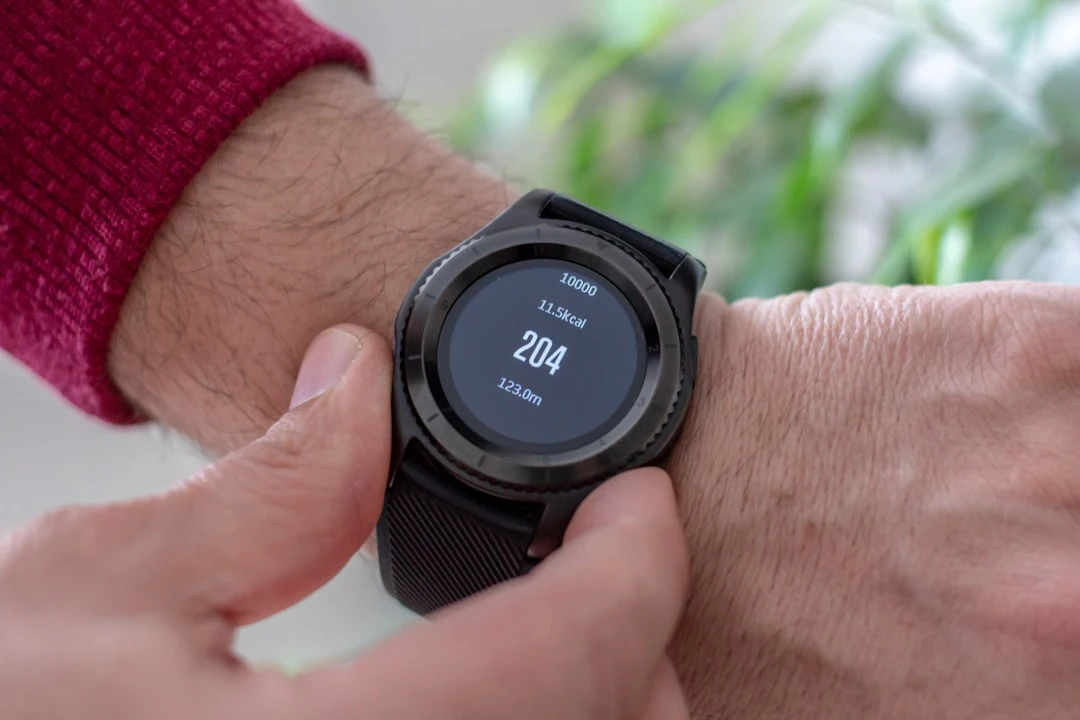
For decades, nutritional advice focused on broad categories like "low fat" or "low carb," based on population-wide studies. This approach struggles because a food item that benefits one person might cause a negative physical response in another. AI and wearables solve this by shifting from static guidelines to dynamic, evidence-based data. Recommendations change daily based on the user's current metabolic state and recent activity, rather than remaining constant for months at a time. Wearable devices are essential for personalized nutrition because they provide continuous biometric monitoring. Rather than relying on intermittent blood tests, new continuous glucose monitors (CGMs) and advanced smartwatches track metrics like heart rate variability (HRV), sleep quality, and blood glucose levels. This constant data stream allows algorithms to build a precise picture of how different foods impact an individual's energy levels and physiological responses.
AI's Role in Causal Inference and Blood Sugar Management
The primary function of AI in this context is to establish causal inference. When a user logs a meal, the AI analyzes the subsequent biometric changes—such as a spike in blood glucose—to determine a personalized glycemic response score for that food. It can then predict how other similar foods will affect that individual. This process enables the AI to move beyond general dietary rules and build a highly specific food-response profile for each user. The most advanced use case in personalized nutrition is blood sugar management. For people managing prediabetes or type 2 diabetes, personalized nutrition helps identify specific foods that trigger blood glucose spikes. An AI-driven application analyzes a user’s CGM data against logged meals, activity, and sleep. It might suggest, for example, that eating a specific type of bread causes a lower glucose spike if consumed after a brisk walk than if consumed alone.
Since the early 2010s, technology has evolved from basic step trackers to advanced continuous glucose monitors (CGMs) and AI integration by the mid-2020s. This rapid advancement has significantly reduced the cost and increased the accessibility of personalized nutrition, moving it from expensive clinical testing to home-based management.
The Gut Microbiome Connection
Advancements in gut microbiome testing, combined with AI analysis, represent a critical new frontier. Traditional dietary advice rarely considers the specific composition of an individual's gut bacteria. Personalized nutrition programs now analyze microbiome data to determine which foods will promote beneficial bacterial growth. For example, specific fiber types might be recommended to improve an individual's unique microbial diversity, which impacts everything from digestion to mental health.
The Competitive Advantage of Precision
What many articles miss is the difference between simple personalization and precision optimization. A generic app might offer "personalized" advice based on a user's age and weight. AI-driven personalized nutrition goes further by determining optimal *timing* and *combination* of foods for a specific physiological outcome. For example, an algorithm might optimize the timing of protein intake based on a user's specific workout recovery data, rather than offering a generic "eat protein after exercise" rule.
Accessibility and the Evolving Role of Dietitians
As of early 2026, personalized nutrition has become significantly more accessible. Historically, obtaining this level of information required expensive clinical testing and lengthy consultations with specialists. The decreasing cost of wearables and the rise of AI-driven platforms have democratized access. This shift allows individuals to manage their health proactively at home, bypassing many traditional barriers related to cost and availability of specialists. AI does not replace dietitians; it changes their role. Dietitians are moving from data collectors to highly specialized strategic partners. They use the data provided by AI and wearables to formulate complex nutritional plans for specific health conditions, such as autoimmune disorders or food allergies. The AI handles the data processing; the dietitian provides the human expertise and accountability needed for long-term behavior change.
The Data Privacy Challenge
One significant hurdle in personalized nutrition is data privacy. Because these programs rely on sensitive biometric data, users must trust that their health information is protected. The industry faces pressure to implement robust security protocols and transparent data usage policies. As personalized nutrition expands, regulatory frameworks, such as HIPAA in the US and GDPR in Europe, will need to adapt to encompass continuous data streams from consumer devices.
Timeline of Personalized Nutrition Enabling Technologies
undefined
| Year | Technology Advancement | Impact on Personalized Nutrition |
|---|---|---|
| Early 2010s | Introduction of simple fitness trackers (e.g., Fitbit) | Basic tracking of steps and calories. No real-time physiological data. |
| Mid-2010s | Launch of advanced smartwatches (e.g., Apple Watch) | Enabled heart rate monitoring and sleep tracking, but still limited integration with diet. |
| Late 2010s | Rise of Continuous Glucose Monitors (CGMs) for consumer use | Direct real-time feedback on food impact (glycemic response). |
| Early 2020s | AI integration into health apps | Algorithms begin to process biometric data from wearables to provide specific recommendations. |
| Mid-2020s | Integration of gut microbiome analysis and AI | Personalized recommendations based on microbial composition, moving beyond simple food tracking. |
- How AI and Wearables Are Changing Personalized Nutrition
- How AI and Wearables Redefine Chronic Disease Management
- The AI Revolution: Personalized Nutrition Advances Beyond Generic Diet Advice
- How Are AI and Sustainable Food Tech Changing Nutrition?
- How Are AI and Nutrigenomics Transforming Personalized Nutrition?
- How AI Accelerates Personalized Nutrition and Sustainable Food Systems
- The Next Wave of Personalized Nutrition: What to Expect in 2026
- How Is AI Personalizing Nutrition for Disease Management?
Frequently Asked Questions About Personalized Nutrition
How is personalized nutrition different from a generic diet app?
Generic apps typically rely on self-reported data and generalized recommendations based on population averages. Personalized nutrition uses real-time biometric data from wearables to generate unique recommendations tailored to an individual’s specific physiological response to food.
Will AI make nutritionists obsolete?
No. AI provides data processing and pattern recognition, but nutritionists are essential for interpreting complex health conditions and ensuring sustainable behavior change. The technology serves as a tool to improve the dietitian’s accuracy and efficiency, rather than replacing them.
What are the biggest challenges facing personalized nutrition adoption?
The primary challenges include data privacy concerns, the potential for algorithmic bias based on training data, and the high cost of advanced testing methods like continuous glucose monitoring. User adoption also requires a commitment to consistent data logging and monitoring.
Is personalized nutrition scientifically validated?
Yes, numerous clinical studies have demonstrated that individualized dietary interventions based on biometric data result in better health outcomes compared to standardized dietary advice. This approach has proven particularly effective in managing metabolic disorders and improving gut health.
