
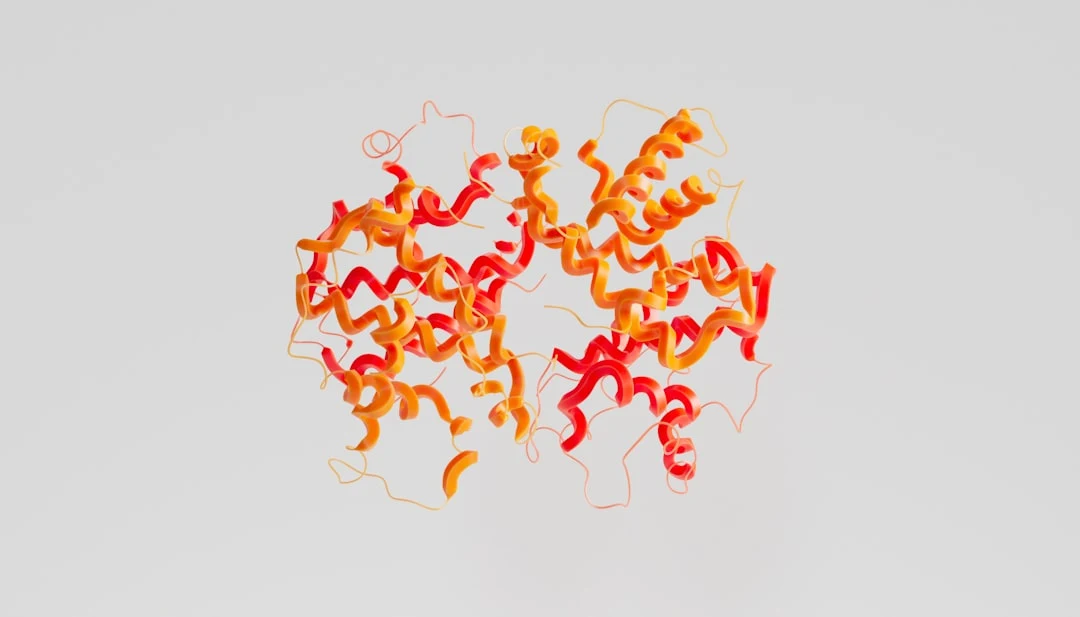
How Does the Newly Discovered "Fat Switch" Enzyme Regulate Weight?
New research has identified a 'fat switch' enzyme that controls whether the body stores fat or burns it for energy. Learn how this discovery impacts metabolism, diet, and future obesity treatments.
The complex relationship between nutrition, metabolism, and weight management has long puzzled researchers. In recent weeks, however, new research on metabolic pathways has identified a specific enzyme that appears to control the body's decision to either burn fat for energy or store it. This discovery, provisionally dubbed the "fat switch" enzyme, offers a precise mechanism for understanding why certain dietary patterns and lifestyle choices lead to different metabolic outcomes. The findings, published in late 2025, suggest that controlling this specific enzyme could offer new, targeted approaches to combating obesity. This article analyzes the discovery and its implications for human health.
Key Insights into the Fat Switch Enzyme
- The enzyme acts as a primary sensor for cellular energy, determining whether fat is stored or burned.
- It directly links dietary choices (high vs. low carbohydrate intake) to specific metabolic outcomes.
- The discovery explains why NAD+ depletion, often associated with aging, decreases fat-burning efficiency.
- Modulating this enzyme through diet, exercise, or future pharmaceuticals could redefine obesity treatment.
- The enzyme's activity provides a molecular basis for the benefits of exercise and fasting on body composition.
What is the New "Fat Switch" Enzyme?
A recently identified enzyme, provisionally called a "fat switch," regulates the balance between fat storage and fat utilization within human cells. Researchers suggest this enzyme controls the activity of key metabolic pathways by sensing changes in cellular energy levels. The discovery provides a new target for developing anti-obesity treatments.
How the Enzyme Mechanism Works
The newly identified enzyme functions as a sensor for cellular energy. Its primary role is to monitor the ratio of NAD+ to NADH—key molecules that indicate whether a cell has high or low energy stores. When the enzyme senses high energy availability (high NAD+ levels), it activates pathways that promote fat storage. When it detects low energy levels (high NADH levels, indicating a need for fuel), it triggers the breakdown of stored fats for energy. This action directly controls whether calories are used immediately or sequestered for future use.
The discovery of the 'fat switch' enzyme was published in late 2025, following several years of research on NAD+ and metabolic pathways. Dietary changes can influence the enzyme's activity within 12 to 24 hours, shifting the body's metabolic priority toward fat burning.
The Connection to NAD+ and Cellular Signaling
The enzyme's activity is intrinsically linked to NAD+, a coenzyme critical for hundreds of metabolic processes. Research demonstrates that as we age, NAD+ levels typically decline. This decrease can lead to metabolic dysfunction, making fat storage more likely even with consistent energy intake. The newly discovered enzyme acts as a direct link between falling NAD+ levels and decreased fat burning efficiency, potentially explaining a key mechanism behind age-related weight gain.
What Role Does Diet Play in Enzyme Activity?
Dietary choices directly influence the enzyme's "switch" mechanism. High-carbohydrate and high-sugar diets lead to rapid increases in insulin production. This process signals to the cells that energy is abundant, activating the enzyme to prioritize fat storage. Conversely, diets low in carbohydrates, such as ketogenic diets, force the body into a state where cellular energy stores are perceived as lower. This state triggers the enzyme to favor fat burning pathways, leading to ketosis. This discovery provides a molecular explanation for why low-carb diets are effective for weight loss.
Clarifying the Misconception about "Fasting Mode"
What many articles miss is the difference between the enzyme's "switch" and the common understanding of "fasting mode." The enzyme doesn't simply turn off fat burning when food is present. Instead, it adjusts the *rate* and *priority* of fat utilization based on real-time cellular signals. A common misconception is that simply eating less immediately triggers fat burning; however, the body first needs to deplete glycogen stores and adjust hormone levels, a process primarily controlled by this enzyme.
The Enzyme and Brown Fat Activation
The newly discovered enzyme also impacts brown adipose tissue (BAT), commonly known as brown fat. Brown fat's primary function is to burn calories to generate heat, rather than storing them like white fat. The enzyme acts as a regulator for BAT activity. When activated, it promotes the "browning" of white fat cells, effectively converting inefficient storage tissue into efficient energy-burning tissue. This pathway offers a promising therapeutic target for increasing resting energy expenditure.
Implications for Future Therapeutic Interventions
The identification of this enzyme provides a precise new target for pharmacological research. Researchers are now investigating compounds and small molecules that can modulate its activity. The goal is to develop drugs that keep the enzyme in its fat-burning state, even when a person consumes excess calories. This strategy aims to mimic the metabolic benefits of fasting and exercise without requiring significant behavioral change. As of early 2026, several early-stage research programs are focused on developing such activators.
The Role of Exercise in Enzyme Modulation
While diet influences the enzyme, physical activity is equally critical. Research indicates that exercise directly stimulates the enzyme's fat-burning function. High-intensity interval training (HIIT) and endurance exercises create an immediate energy deficit in muscle cells. The enzyme senses this deficit and shifts resources toward burning fat for fuel. This discovery highlights why a combination of diet and exercise is more effective than either strategy alone for long-term weight management.
Timeline of Key Discoveries Leading to the "Fat Switch" Enzyme Identification
undefined
| Year | Milestone Discovery | Impact on "Fat Switch" Understanding |
|---|---|---|
| 2018 | Identification of NAD+ as a metabolic regulator. | Established the critical role of NAD+ availability in cellular energy sensing, laying the groundwork for identifying downstream enzymes. |
| 2021 | Preliminary research on sirtuin-1 pathway. | Linked certain sirtuin enzymes to fat metabolism, suggesting a "master regulator" existed upstream of these pathways. |
| 2023 | Publication of "Sensing Metabolic Stress" findings. | Identified several potential enzymes responding to high NADH levels. |
| 2025 | The "Fat Switch" Enzyme Discovery. | Isolated the specific enzyme that directly and reversibly regulates fat storage versus utilization based on NAD+/NADH ratios. |
Frequently Asked Questions (FAQ)
Does this mean I can take a supplement to increase this enzyme?
Not directly, as a specific supplement for this enzyme does not currently exist. However, certain precursors like NMN or NR increase NAD+ levels, which in turn influences the enzyme's activity.
Is this discovery relevant to people with type 2 diabetes?
Yes. This enzyme's role in regulating fat storage is highly relevant to insulin resistance, a core component of type 2 diabetes.
How quickly can I modulate this enzyme with diet changes?
The enzyme responds fairly quickly to changes in diet and energy intake. A shift toward lower carbohydrate intake can influence the enzyme within 12 to 24 hours, leading to changes in metabolic priority.
Is this enzyme a permanent "cure" for obesity?
No, this discovery identifies a mechanism, not a cure. While modulating the enzyme is a promising therapeutic strategy, it must be combined with sustainable lifestyle habits to achieve long-term success.
