
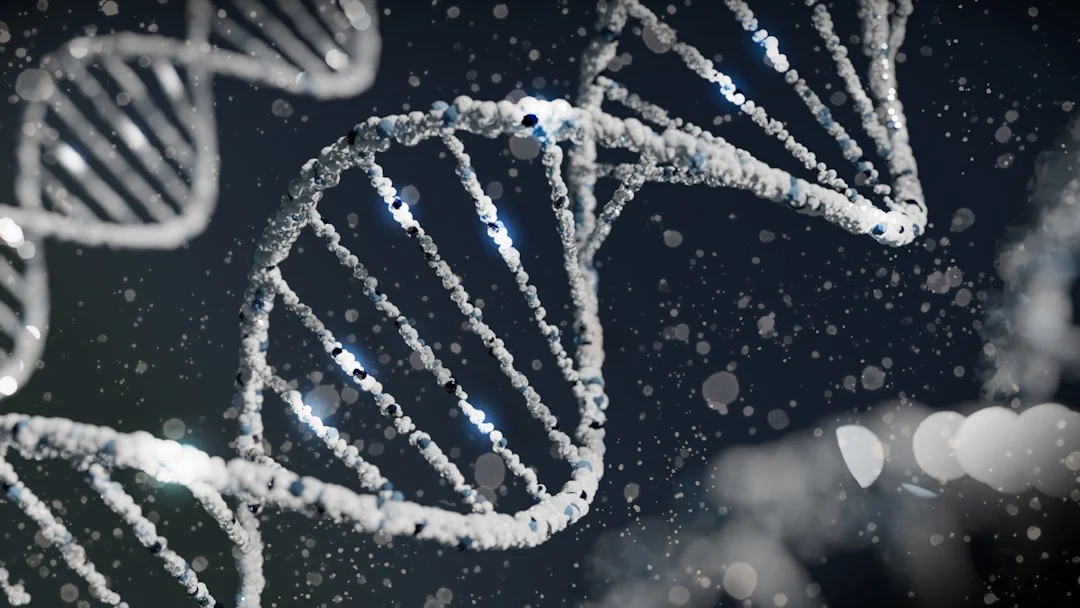
How Will AI and Nutrigenomics Change Personalized Nutrition?
AI and nutrigenomics are transforming personalized nutrition by enabling precise dietary recommendations based on individual genetic makeup. This approach moves beyond general guidelines to provide highly individualized, sustainable nutritional plans.
For decades, nutritional advice has relied heavily on broad, one-size-fits-all guidelines. Yet, why do some people thrive on a high-protein diet while others struggle, or why do different individuals respond differently to caffeine or carbohydrates? The answer lies in individual genetic variation, which traditional nutrition models largely ignore. This is changing rapidly. As of early 2026, the convergence of AI and nutrigenomics is creating a new paradigm for personalized nutrition. This integration allows scientists to analyze an individual’s genetic makeup to predict exactly how they will process specific nutrients, moving beyond generic recommendations to create highly precise, sustainable dietary plans.
Key Insights into Personalized Nutrition
- AI and nutrigenomics enable a shift from population-based dietary guidelines to individual metabolic optimization.
- Recommendations are tailored to minimize negative side effects, making long-term adherence to healthy habits easier.
- AI analyzes complex datasets, including genetics, gut microbiome, and real-time lifestyle data, to provide precise insights.
- The technology can help identify potential health risks based on specific genetic predispositions before symptoms develop.
The Problem with Generic Nutrition Advice
The core issue with traditional nutritional guidelines is their reliance on population-level data. A recommendation for "less red meat" or "more whole grains" assumes every individual processes these foods similarly. However, genetic variations—specifically single nucleotide polymorphisms (SNPs)—can significantly alter how a body absorbs, metabolizes, and stores nutrients. For example, a person with a particular genetic variant might metabolize caffeine slowly, making a standard cup of coffee less effective and potentially leading to anxiety, while another person rapidly processes it without issue. This variability explains why diets that work for one person fail for another.
Defining Nutrigenomics: The Scientific Backbone
Nutrigenomics is the scientific study of the interaction between nutrients and genes. It investigates how specific dietary components influence gene expression and, in turn, how genetic variations affect the body's response to nutrients. Instead of just looking at correlations between diet and health outcomes, nutrigenomics examines the precise molecular pathways involved. This field provides the underlying data for personalized nutrition by identifying a person’s genetic predisposition to process certain fats, vitamins, minerals, or carbohydrates inefficiently.
AI algorithms process thousands of data points from genetic tests, far exceeding human capacity for analysis. This allows for a shift from population-level dietary guidelines to highly individualized recommendations based on specific genetic variations (SNPs).
AI's Role in Data Integration and Prediction
While nutrigenomics provides the raw genetic data, AI provides the necessary processing power to make sense of it. A typical genetic test for nutrition yields thousands of data points. AI algorithms analyze this massive dataset alongside lifestyle factors like sleep patterns, exercise intensity, stress levels, and gut microbiome composition. AI then identifies subtle patterns and predicts how a specific change in diet will impact an individual's biomarkers—such as blood sugar, cholesterol, or inflammation levels—with greater accuracy than human analysis alone. This predictive capability is key to creating proactive, rather than reactive, health plans.
How Genetics Influence Sustainable Habits
Many people struggle with "fad diets" because the recommendations conflict with their natural metabolic needs or cause uncomfortable side effects. AI-driven personalized nutrition addresses this by focusing on sustainable habits. By understanding an individual’s unique metabolism (e.g., whether they thrive on fats or carbohydrates for energy), AI can tailor recommendations that minimize side effects like fatigue or cravings, making compliance easier over the long term. This personalized approach shifts the focus from temporary restriction to lasting, enjoyable lifestyle adjustments.
Clarifying Key Concepts: The MTHFR Gene Example
A common point of confusion is how a genetic variant actually changes nutrient requirements. Consider the MTHFR gene variant, which affects a person's ability to metabolize folate (vitamin B9) into its active form. Individuals with this variant may require a higher intake of folate or specific supplemental forms to ensure proper methylation, a critical process for cell repair and DNA synthesis. What many articles miss is that nutrigenomics doesn't simply diagnose a disease based on this variant; rather, it identifies an optimization opportunity where a specific dietary adjustment can improve overall function and prevent deficiency-related issues.
The Gut Microbiome Connection
A significant part of AI-driven personalization involves integrating gut microbiome data. The microbiome—the community of microorganisms in the digestive system—plays a critical role in nutrient absorption and immune function. AI algorithms analyze both genetic data and microbiome sequencing to determine how specific prebiotics or probiotics might alter an individual’s gut environment for better nutrient processing. This allows for recommendations that go beyond broad food groups to include specific types of fermentation or fiber intake tailored to the individual's unique microbial ecosystem.
Timeline of Personalized Nutrition Development
undefined
| Year | Milestone in Personalized Nutrition Development | Key Technology & Impact |
|---|---|---|
| Early 2000s | Completion of the Human Genome Project. | Identified key genetic markers (SNPs); foundational research for gene-nutrient interaction. |
| 2010s | Rise of Direct-to-Consumer Genetic Testing. | Increased access to personal genetic data; initial basic nutrigenomics reports based on limited SNPs. |
| Late 2010s | Integration of AI in Health Data Analysis. | Machine learning models begin processing multi-omic data (genetics + microbiome + lifestyle). |
| 2020s | AI-Powered Dynamic Meal Planning Apps. | Real-time personalization based on genetic predispositions and current health status; focus on sustainable habits. |
| Early 2026 | Predictive Nutrigenomics for Metabolic Health. | AI predicts future disease risk based on diet and genetics, allowing proactive intervention before symptoms appear. |
The Role of Wearable Technology and Real-Time Feedback
Wearable technology—like fitness trackers and smartwatches—provides AI systems with a constant stream of real-time physiological data. This includes heart rate variability, sleep quality, and activity levels. AI uses this data to assess the real-world impact of dietary changes on the body's response. For instance, if an AI recommends a specific diet for improved energy, it can track the individual's self-reported energy levels and sleep quality to adjust recommendations dynamically. This continuous feedback loop ensures recommendations remain optimized as lifestyle factors change.
The Challenge of Data Privacy and Consumer Trust
As personalized nutrition relies on sensitive genetic and health data, issues of privacy and data security are paramount. Consumers must trust that their genetic information will not be shared without explicit consent or used for discriminatory purposes by insurance companies or employers. The effectiveness of personalized nutrition hinges on the willingness of users to share this data, making robust data protection policies essential for the widespread adoption of AI-driven dietary solutions.
- The Future of Food: Key NutriScience Trends Reshaping Health in 2026
- Why Small Sustainable Habits Are More Effective for Longevity Than Large Overhauls
- Emerging NutriScience Trends 2026 Analysis
- Emerging Trends in Nutrition Science 2026: Personalized Health and AI
- How AI Personalizes Nutrition and Creates Sustainable Habits
- Beyond Generic Diets: The Role of AI and Personalized Probiotics in Optimizing Gut Health and Sleep Quality
- What Long-Term Health Risks Are Associated with Popular Diets?
- How Is AI Reshaping Personalized Nutrition and Sustainable Food?
Frequently Asked Questions About AI and Nutrigenomics
How quickly can I see results from AI personalized nutrition?
While genetic predisposition doesn't change, the results of dietary interventions can take several weeks or months. AI’s strength is in providing a clear path from the start, avoiding the trial-and-error often associated with traditional dieting methods.
Is AI personalized nutrition expensive?
Currently, comprehensive genetic and microbiome testing, combined with AI analysis, can be costly. However, as technology advances and adoption increases, prices are expected to decrease, making it more accessible to a broader audience.
Is this just another fad diet, or is it based on real science?
Unlike fad diets based on anecdotal evidence or simplified rules, AI personalized nutrition is built on the scientific principles of nutrigenomics. It relies on genetic data and advanced analytics rather than general assumptions.
Will AI replace dietitians and nutritionists?
No, AI is a tool to empower nutrition professionals. It helps dietitians process complex data more efficiently, allowing them to provide more precise and effective counseling rather than replacing the human element of motivation and guidance.
