
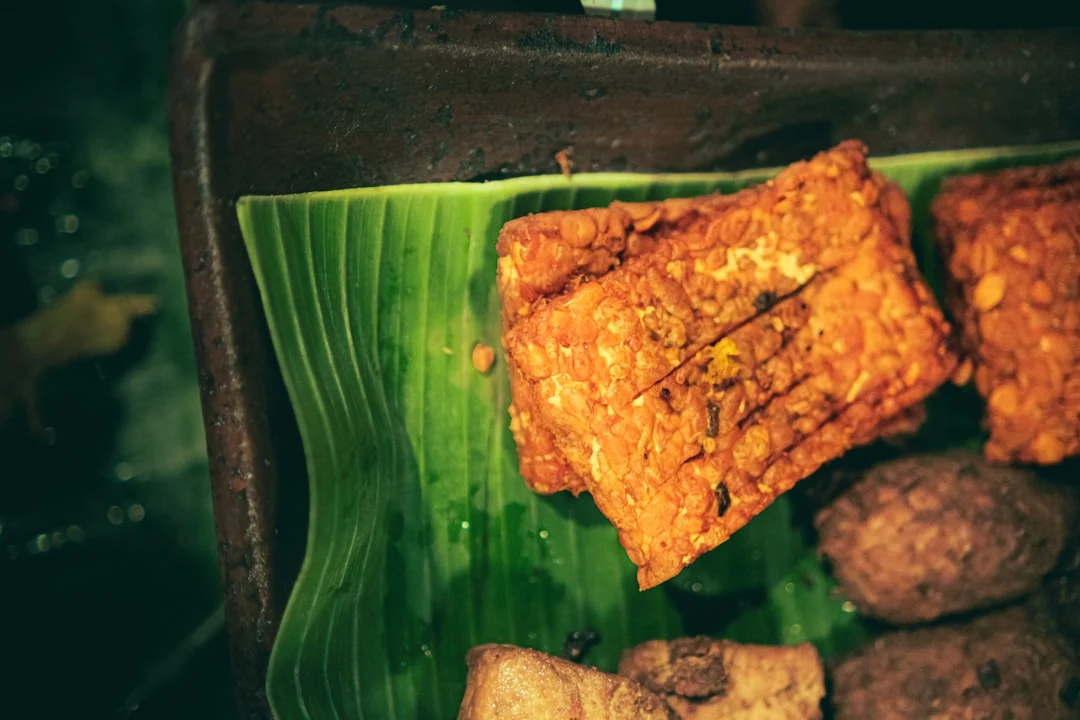
How Did Jack Bean Tempeh Enhance Aceh Food Security?
Discover how jack bean tempeh improved food security in Aceh during disaster recovery. Learn about its nutritional benefits, local production model, and role in building community resilience against supply chain disruptions.
Food security is a critical challenge during disaster recovery. When infrastructure collapses, access to external food aid is disrupted, and local markets are in chaos, communities often face severe nutritional shortages. In regions like Aceh, which are prone to natural disasters, resilience hinges on developing robust, self-sufficient local food systems. The traditional cultivation and processing of jack beans (Canavalia ensiformis) into tempeh has emerged as a key strategy to mitigate these vulnerabilities. This approach provides a stable, highly nutritious, and locally produced protein source. By focusing on indigenous food resources, Aceh's food security model offers a sustainable alternative to external dependency during crisis situations. The core question is: How did this local food innovation actually improve the food system during and after disasters?
Key Takeaways for Disaster Resilience
- Jack bean tempeh strengthens food systems by providing a stable, highly nutritious protein source that can be produced locally and independently during a crisis.
- The fermentation process improves nutrient bioavailability and shelf life, making it superior to standard, less nutrient-dense disaster rations.
- By encouraging local cultivation, the initiative supports economic recovery and community self-sufficiency, reducing reliance on external aid during critical periods.
- Policy support and training programs were essential in integrating jack bean tempeh into Aceh's strategic disaster response plans, ensuring its long-term viability.
The Resilience and Nutritional Value of Jack Beans
Jack beans are highly resilient crops that thrive in marginal soil conditions. Unlike many commercial crops, they are relatively drought-tolerant and less susceptible to common pests. This robust nature ensures a consistent harvest even when environmental conditions are unpredictable. For regions facing frequent seismic or climatic events, cultivating jack beans offers a reliable and sustainable source of raw material, reducing reliance on external imports that are easily cut off during a crisis. When food supplies are limited, nutritional density becomes paramount. Jack bean tempeh provides a significant source of protein, essential amino acids, and minerals like iron and zinc. The fermentation process involved in making tempeh significantly increases the bioavailability of these nutrients. This enhanced digestibility ensures that communities receive maximum nutritional benefit from smaller food portions, which is critical for supporting recovery and preventing widespread malnutrition in post-disaster scenarios.
Local Production and Economic Empowerment
One of the greatest vulnerabilities during a disaster is the failure of external supply chains. Jack bean tempeh's strength lies in its decentralized, local production model. By utilizing local farms and processing facilities, communities can produce food autonomously. This localized system bypasses major logistical bottlenecks like damaged ports or roads, ensuring that food distribution can continue uninterrupted within smaller communities. The model prioritizes self-reliance over external aid, which often arrives too late. The cultivation and processing of jack bean tempeh create opportunities for local economic empowerment. Instead of relying on relief agencies, local farmers and processing cooperatives become key players in the response effort. This approach turns a crisis into an opportunity for economic activity within the community. The value added from processing raw jack beans into tempeh keeps resources circulating locally rather than flowing out to international relief organizations.
Jack bean tempeh offers high nutritional density, providing approximately 18-20g of protein per 100g, which is significantly higher than standard aid rations like instant noodles (8-10g). While fresh tempeh has a short shelf life of 2-3 days at ambient temperature, its local production model bypasses the logistical challenges associated with imported aid rations, which are dependent on long supply chains.
Agroecology and Policy Support for Adoption
What many articles miss is that the implementation of jack bean tempeh in Aceh's disaster resilience plan is tied directly to a broader agroecological movement. This approach focuses on integrating local biodiversity and sustainable farming methods. It goes beyond simply using a single crop and emphasizes the entire ecosystem. This policy shift supports smallholder farmers and promotes a circular economy where crop residues are used as fertilizer, further strengthening the self-sufficiency of the food system. The widespread adoption of jack bean tempeh in Aceh was not purely organic; it was supported by specific policy decisions. The local government and agricultural institutions recognized the potential of indigenous crops to build resilience. Training programs for farmers and subsidies for processing equipment were put in place, institutionalizing the role of jack bean tempeh as a strategic food reserve. This public-private partnership ensured rapid scale-up in vulnerable areas.
Fermentation Benefits and Safety Considerations
The production of jack bean tempeh through fermentation offers distinct advantages over typical disaster relief supplies, such as canned goods. While canned foods provide shelf stability, they often rely on chemical preservatives and result in significant waste. Tempeh fermentation naturally extends shelf life by creating an environment hostile to harmful bacteria. This method avoids the environmental impact of metal packaging and offers a fresh, culturally appropriate food item. Raw jack beans contain anti-nutritional factors (ANFs) like lectins, which can interfere with nutrient absorption and cause digestive discomfort. The tempeh fermentation process effectively mitigates these concerns. The specific fungal culture (Rhizopus) used in tempeh production breaks down these complex compounds, rendering the nutrients more accessible and eliminating potential health risks associated with raw consumption.
Historical Context and Cultural Acceptance
The prioritization of local food systems in Aceh is a direct response to lessons learned from previous major disasters, particularly the 2004 Indian Ocean tsunami. In that event, the complete destruction of infrastructure led to critical delays in external aid delivery. By developing a model based on local resources like jack beans, communities aimed to eliminate the "last-mile problem" where food is physically available but cannot be distributed to isolated populations. Food security during a crisis is not just about calories; it's also about cultural acceptance. Tempeh is a familiar and cherished food staple across Indonesia. By utilizing a familiar food form (tempeh) made from a new source (jack beans), communities were more likely to adopt and integrate the solution quickly. This cultural familiarity significantly reduced barriers to acceptance compared to introducing unfamiliar emergency rations.
Comparison of Jack Bean Tempeh vs. Standard Aid Rations
undefined
| Feature | Jack Bean Tempeh | Instant Noodles (Standard Aid) | Canned Fish (Standard Aid) |
|---|---|---|---|
| Nutritional Density (Protein/100g) | High (approx. 18-20g) | Low (approx. 8-10g) | High (approx. 20-25g) |
| Source and Supply Chain | Local production; short supply chain | External import; long supply chain | External import; long supply chain |
| Shelf Life (Ambient Temp.) | 2-3 days (can be extended by drying) | 6-12 months | 1-3 years |
| Cultural Acceptance | High (staple food form) | Moderate (common, but perceived as "cheap") | Moderate (preferred, but expensive) |
| Disaster Resilience Impact | High; builds local capacity and economy | Low; passive consumption, creates external dependency | Low; passive consumption, creates external dependency |
| Logistical Challenge | Minimal; locally sourced raw materials | High; dependent on transportation networks | High; dependent on transportation networks |
- The AI Revolution in Food Safety: From Days-Long Lab Tests to Real-Time Monitoring
- How AI and Precision Nutrition Create Sustainable Food Systems
- How Do Researchers Turn Sunflower Oil Pressing Waste Into Nutritious Bread Flour?
- How Will Precision Nutrition and AI Impact Food Habits and Sustainability?
- The Dual Disruption: How GLP-1 Agonists and AI Are Forcing Food Industry Innovation
- What Foods Help Repair and Soothe a Leaky Gut?
- How Do Common Medications and Foods Cause Leaky Gut?
Frequently Asked Questions about Jack Bean Tempeh
How long does jack bean tempeh last without refrigeration?
Fresh jack bean tempeh typically lasts between two and three days at room temperature. However, traditional methods of processing can extend this significantly. By drying or smoking the tempeh, its shelf life can be extended to several weeks, making it suitable for pre-disaster storage.
Is jack bean tempeh safe to eat compared to soy tempeh?
Yes, jack bean tempeh is safe to eat, provided it undergoes proper processing. The fermentation process effectively breaks down the antinutritional compounds present in raw jack beans. When prepared correctly, it is comparable to soy tempeh in terms of safety and nutritional quality, offering a viable alternative.
Where else in the world are jack beans used as a food source?
While not as widespread as soybeans, jack beans (Canavalia ensiformis) are cultivated for food purposes in several tropical regions. They are particularly important in parts of Africa, Asia, and Latin America. However, the use of jack beans in food systems is often localized, and the development of tempeh from this specific legume is a notable innovation in Indonesia.
Does this mean soy tempeh is bad for disaster resilience?
Not necessarily, but reliance on soy often requires large-scale commercial farming and complex supply chains. Jack beans offer a "hyper-local" alternative that is better suited for smallholder farms and independent community-level production in regions where commercial soy cultivation is not feasible or desirable.
