
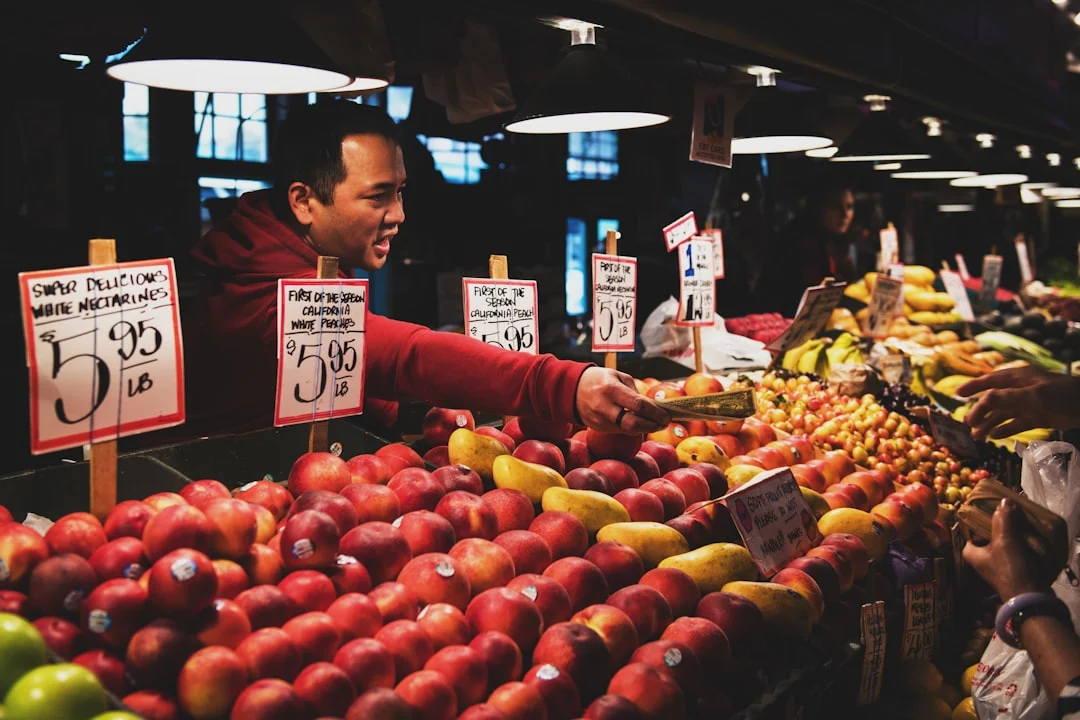
How Food Vendors Maintain Resilience During Hardship
Learn how food vendors build resilience against economic hardship by implementing strategies like adaptable inventory management, menu simplification, and community engagement. Discover practical steps to ensure business continuity during inflation and supply chain disruptions.
Economic instability presents significant challenges to small businesses, particularly those operating in the highly competitive food service sector. Food vendors face rapidly changing consumer spending habits, rising inflation of inputs, and frequent supply chain disruptions. To navigate these pressures, successful vendors must move beyond standard operations and implement specific resilience strategies. These strategies involve adapting inventory, diversifying offerings, and leveraging community trust to sustain business continuity. This article explores how small-scale entrepreneurs can build durability in challenging markets, using case studies like Victoria Winyana as examples of practical application in crisis.
Key Strategies for Vendor Resilience
- Diversify revenue streams by integrating delivery, catering, or online sales to create additional income streams beyond walk-in traffic.
- Optimize inventory by maintaining agile purchasing habits and avoiding overstocking, using data to identify high-margin items to prioritize.
- Focus on perceived value by creating value deals and combo offers instead of increasing all prices, maintaining customer affordability and sales volume.
- Build social capital by investing in community relationships, as customer loyalty and local support are critical buffers against economic pressure.
How Food Vendors Maintain Business Resilience
Resilience for food vendors during economic hardship relies primarily on strategic diversification, strong community relationships, and adaptable inventory management. By focusing on essential goods and efficient supply chains, vendors can mitigate risks from inflation or disruptions. This allows them to maintain stable operations and retain customer loyalty even when faced with significant external pressures.
Adaptable Inventory and Menu Simplification
During periods of high inflation, food vendors often face rapidly increasing costs for raw materials. Maintaining resilience requires shifting away from fixed, long-term inventory plans toward more agile, just-in-time purchasing. Instead of stocking large volumes of high-cost items, vendors prioritize essentials and quickly adjust menus based on current pricing and availability. This prevents capital from being tied up in products that may spoil or become unprofitable to sell at a reasonable price point. Recessionary markets often favor value over luxury. Resilient food vendors simplify their offerings to maximize efficiency and appeal to cost-conscious consumers. By reducing menu complexity, vendors can decrease waste, streamline kitchen operations, and minimize labor costs. This approach ensures higher margins on fewer, more popular items, providing a stable revenue stream even as customer traffic slows.
Financial resilience requires building a significant buffer, with experts recommending 6 to 18 months of operating expenses to withstand downturns. Additionally, careful cash flow management and minimizing high-interest debt are crucial to ensure liquidity during market recessions.
Building Community and Customer Trust
A strong customer base is essential for weathering economic downturns. Vendors who cultivate deep relationships within their communities—offering flexible payment options or personalized service—often retain loyalty when competitors struggle. This social capital translates directly into financial stability during challenging periods. Victoria Winyana’s strategy, for example, centered on personalized service and building trust, which allowed her business to withstand significant market pressure when others failed. By prioritizing customer relationships, vendors create a buffer against market volatility.
The Value of Diversified Revenue Streams
Relying solely on in-person sales creates significant risk during economic instability or public health crises. Resilient vendors proactively diversify revenue streams. This can include offering catering services, developing branded merchandise, or integrating digital sales channels for online ordering and delivery. These additional streams compensate for lower dine-in traffic and provide financial stability when core operations are disrupted. Diversification ensures that a downturn in one area does not lead to total business failure.
Supply Chain Management and Digital Adoption
An overreliance on a single supplier can be disastrous during supply chain bottlenecks. Resilient food vendors establish relationships with multiple local suppliers to mitigate risk. By sourcing inputs from various locations, they ensure that the disruption of one channel does not halt operations entirely. This flexible sourcing strategy maintains business continuity and helps control costs by allowing vendors to choose the best available prices. Technology adoption has also become critical for vendor resilience. Modern Point of Sale (POS) systems provide real-time data on sales and inventory, allowing quick adjustments to pricing and stock levels. Online ordering platforms and automated marketing tools help small vendors reach a broader customer base and maintain consistency without large marketing budgets. These tools enhance operational efficiency and reduce labor costs during lean times.
Financial Planning and Strategic Pricing
Many small businesses lack sufficient financial reserves to cover operational costs during extended periods of low revenue. Resilient vendors prioritize building a financial buffer, typically 6–18 months of operating expenses, to withstand downturns. Careful cash flow management and minimizing high-interest debt are crucial to ensure liquidity, preventing insolvency during market recessions. Raising prices to cover increased costs can alienate budget-conscious customers. Resilient vendors use dynamic pricing strategies and focus on perceived value. Instead of across-the-board increases, they implement value meals or combo deals that maintain healthy margins while offering customers perceived savings. This balance between profitability and affordability prevents significant customer attrition.
The Role of Psychological and Social Support
Resilience in business extends beyond financial planning; it requires a strong psychological foundation. Successful vendors avoid panic and maintain a clear focus on customer value during downturns. They view challenges as opportunities for innovation and improvement, rather than insurmountable obstacles. This mental fortitude allows them to adapt quickly and avoid short-term decisions that compromise long-term brand integrity. What many articles miss is the essential human element behind business resilience. While financial and operational strategies are crucial, social support networks and community engagement often provide the emotional capital needed for vendors to persevere. These non-monetary factors, including strong family ties or supportive local patrons, create a safety net that generic financial models overlook.
Resilience Strategy Comparison Matrix
undefined
| Strategy Area | Short-Term Survival Focus (Reactive) | Long-Term Resilience Focus (Proactive) |
|---|---|---|
| Cash Flow Management | Cutting immediate costs; liquidating assets. | Building emergency savings; negotiating favorable supplier terms. |
| Inventory Strategy | Reducing stock aggressively; stopping purchases. | Optimizing inventory based on real-time data; diversifying suppliers. |
| Customer Engagement | Relying on existing traffic; discounting heavily to clear stock. | Building customer loyalty; segmenting customers for personalized offers. |
| Menu Planning | Raising prices immediately on all items; removing expensive options. | Menu simplification to optimize margins; developing high-margin value items. |
| Supply Chain | Accepting price hikes from existing suppliers; hoping for improvement. | Sourcing multiple suppliers; forming strategic alliances with other businesses. |
- Why Is Farmer Health Crucial for Global Climate Resilience Strategies?
- How Does the Vegetables For All Project Empower Women Vendors?
- Why Is AI Key to Reducing Food Waste and Improving Nutrition?
- What is Lois Ellen Frank's Contribution to Native American Foodways?
- Nigeria's Food Systems: Entrepreneurs Driving Nutritional Transformation
- Real Mom’s Guide To Wellness Hype, Food Fears & Common Sense
- Mycotoxins in Food: Understanding Mold Toxins and Food Safety
- Aflatoxin: Food Safety, Health Risks, and Mitigation Strategies
Frequently Asked Questions About Vendor Resilience
Is resilience only important during an economic downturn?
No. Resilience is a continuous strategy. While critical during a recession, a resilient business structure provides stability against all forms of disruption, including supply chain issues, regulatory changes, or staffing shortages. Proactive planning ensures long-term business continuity.
How can I compete with larger chains during a recession?
Small vendors can compete by focusing on personalized customer service and quality ingredients. Larger chains often struggle to replicate the unique identity and community connection that local businesses naturally provide. Use technology to streamline operations to match efficiency where possible.
What is the single most important action a food vendor can take today?
The most immediate and high-impact action is to assess cash flow and build financial reserves. Without a buffer, short-term disruptions quickly lead to business failure. Create a 3-6 month cash reserve and pay down high-interest debt to secure operational liquidity.
