
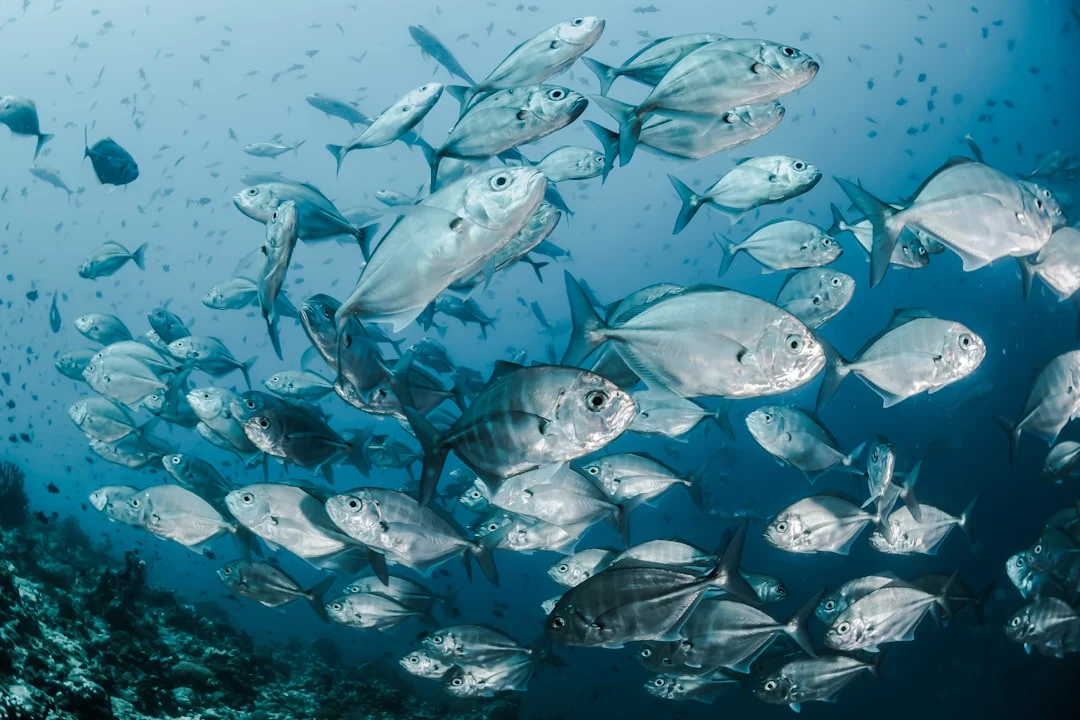
Revolutionizing Indonesian Nutrition: Small Fish Restocking Model Projects 20x Production
Explore Indonesia's groundbreaking small fish restocking model, projecting a 20-fold production increase to combat malnutrition and micronutrient deficiencies. Learn how nutrient-dense small indigenous fish species are transforming public health and offering a scalable solution for global food security.
Indonesia, an expansive archipelagic nation, holds an enviable position as the world's third-largest producer in fisheries and aquaculture. Its vast aquatic resources are a natural endowment of nutrient-rich foods, yet paradoxically, the country continues to grapple with significant public health challenges rooted in malnutrition. Insufficient intake of critical proteins, micronutrients, and essential fatty acids plagues many communities, contributing to persistent issues such as stunting and micronutrient deficiencies. While national per capita fish consumption has demonstrated a consistent upward trend, reaching an estimated 58.91 kg per year in 2024, the benefits are not uniformly distributed, leaving critical nutritional gaps unaddressed. This glaring disparity underscores a pressing need for targeted, sustainable interventions that can effectively leverage Indonesia's aquatic bounty for improved public health outcomes.In response to this complex challenge, a groundbreaking small fish restocking model has emerged, proposing an ambitious 20-fold increase in production. Unveiled by researchers Michelle Nova Lauwrhetta and Ibnu Budiman on January 6, 2026, this model represents a pivotal shift towards integrating nutritional science directly into aquaculture development. Our editorial analysis shows that by strategically boosting the availability of small, indigenous fish species (SIS), this initiative promises to not only enhance food security but also deliver a concentrated dose of bioavailable nutrients to vulnerable populations. This article delves into the NutriScience implications of this innovative model, exploring its potential to reshape Indonesia's nutritional landscape and offer a scalable blueprint for global health.
Indonesia's Leap in Aquaculture Nutrition
- A new small fish restocking model in Indonesia projects a 20-fold increase in production, offering a significant pathway to enhanced nutritional security.
- Despite being a top global fisheries producer, Indonesia faces persistent malnutrition and micronutrient deficiencies, particularly stunting among children.
- Small indigenous fish species (SIS) are rich in bioavailable micronutrients and essential fatty acids crucial for cognitive development and overall health.
- The model addresses a critical paradox: high national fish consumption alongside widespread nutrient gaps, by increasing access to affordable, nutrient-dense aquatic foods.
- This initiative aligns with broader sustainable aquaculture goals and offers a scalable blueprint for other regions combating similar nutritional challenges.
The Nutritional Imperative: Why Small Fish are Mighty Micronutrient Powerhouses
From a NutriScience perspective, small indigenous fish species (SIS) are far more than just a source of protein; they are comprehensive nutritional packages. Unlike larger fish, which are often filleted, SIS are typically consumed whole, including bones, organs, and skin. This consumption pattern dramatically increases the intake of vital micronutrients that are often lost in processed or filleted forms of seafood. Research consistently highlights that aquatic foods are exceptionally rich in essential micronutrients such as calcium, zinc, iron, iodine, selenium, and vitamins A and B12. Many of these minerals, particularly calcium, are abundantly stored in fish bones, making whole fish consumption a superior dietary choice for bone health and overall mineral intake.Furthermore, small fish are a significant source of essential fatty acids, including both monounsaturated fatty acids (MUFA) and polyunsaturated fatty acids (PUFA), especially the highly beneficial Omega-3 fatty acids like EPA (eicosapentaenoic acid) and DHA (docosahexaenoic acid). These fatty acids are critical for numerous physiological functions, playing a pivotal role in the cognitive development of children, supporting cardiovascular health, and exhibiting anti-inflammatory and neuroprotective effects. By prioritizing the production and consumption of these nutrient-dense small fish, Indonesia's restocking model aims to directly combat micronutrient deficiencies, often termed "hidden hunger," and significantly contribute to healthier, more robust populations, particularly in early developmental stages where these nutrients are most critical.
Indonesia's Nutritional Landscape: A Paradox of Plenty
Despite its vast marine resources and a consistently increasing national fish consumption, Indonesia faces a persistent "paradox of plenty" concerning nutrition. While the national average fish consumption reached 58.91 kg per capita per year in 2024, the distribution and type of fish consumed often leave significant nutritional gaps. This is particularly evident in the prevalence of malnutrition. Data from 2023 indicates that stunting affects 30.8% of children under five in Indonesia, a rate notably higher than the average for the Asia region at 21.8%. Moreover, 10.2% of children under five suffer from wasting, also exceeding the regional average. The issue extends to adult women, with 31.2% of those aged 15 to 49 years affected by anaemia.This nutritional shortfall is not merely a matter of caloric intake but a complex interplay of insufficient protein quality and micronutrient deficiencies. While fish contributes substantially to animal protein intake, covering 70% of total animal protein consumption in Indonesia, the selection and accessibility of nutrient-dense species remain key challenges. Research from MSC Indonesia and Bappenas highlights that even within fishing communities, where fish is a staple, high-value catches are often sold for income, leading to the consumption of lower-value, potentially less nutritious fish locally. This new restocking model directly targets this systemic issue by enhancing the supply of affordable, nutrient-rich small fish, thereby offering a practical solution to augment dietary diversity and improve micronutrient intake where it is most needed.
Indonesia's national fish consumption steadily rose to 58.91 kg/capita/year in 2024, yet childhood stunting persists at 30.8% for children under five. This new restocking model aims to bridge nutrient gaps by projecting a 20-fold increase in small fish production, a crucial source of vital micronutrients and essential fatty acids.
The Restocking Model: Scaling Up for Nutritional Impact
The proposed small fish restocking model in Indonesia represents a strategic intervention designed to magnify the availability of nutritionally superior aquatic resources. The projection of a 20-fold increase in production is not merely a quantity target but a profound shift towards nutrient-sensitive aquaculture. This model focuses on the systematic reintroduction and sustainable management of small indigenous fish species (SIS) into freshwater and coastal ecosystems, aiming to enhance natural fish populations in a controlled yet ecologically sound manner. The strategy likely incorporates elements of community-based aquaculture, which has previously demonstrated positive results in fisheries resource management within Indonesia.Critically, the success of such a model hinges on the adoption of sustainable aquaculture practices. This includes methods like water recirculation systems and the use of natural feeds, which can significantly boost fish productivity while simultaneously minimizing adverse environmental impacts. By scaling up production through environmentally responsible techniques, the model ensures that the increased yield is not only substantial but also ecologically viable for the long term. This approach fosters resilience in local food systems, providing a consistent, affordable source of high-quality animal protein and essential micronutrients, directly addressing the core drivers of malnutrition in rural and coastal communities across the archipelago.
Analytical Insights: Bridging the Nutrient-Availability Gap
Our editorial analysis indicates that this small fish restocking model offers a crucial pathway to bridge the existing nutrient-availability gap in Indonesia. The paradox of high fish consumption coexisting with significant malnutrition underscores a systemic issue where the sheer volume of fish consumed does not equate to adequate nutrient intake across all demographics. Historically, large-scale fisheries have often prioritized commercially valuable species, sometimes overlooking the high nutritional density of smaller, indigenous varieties. This model shifts that focus, recognizing the disproportionate nutritional impact of consuming whole small fish.By projecting a 20x increase, the model aims to make these nutrient powerhouses more accessible and affordable, particularly for low-income households that often lack access to diverse and nutritious diets. This sustained availability could significantly improve the intake of critical micronutrients like iron, zinc, and vitamin A, which are vital for preventing stunting, improving cognitive development, and bolstering immune function, especially in children and pregnant women. Furthermore, increasing the supply of these local species can strengthen local food systems, reduce reliance on external food sources, and potentially empower small-scale fish farmers by providing new economic opportunities within a sustainable framework. This integrated approach not only boosts production but strategically aligns it with the nation's broader nutritional objectives.
Key Figures in Indonesia's Fisheries and Nutrition
undefined
| Metric | Value (Latest Available) | Context/Comparison |
|---|---|---|
| Total Fisheries Production (2023) | 23.54 million tons | Aquaculture: 15.36M tons; Capture: 8.18M tons |
| National Fish Consumption (2024) | 58.91 kg/capita/year | Increased from 54.56 kg in 2020 |
| Household Fish Consumption Rate (AKI, 2024) | 25.31 kg/capita/year | Reflects direct household intake patterns |
| Child Stunting Rate (under 5, 2023) | 30.8% | Asia regional average: 21.8% |
| Women's Anaemia Rate (15-49 years) | 31.2% | Significant public health concern |
| Aquaculture Production Growth (last 10 years) | Over 50% per year in tons produced | Indicative of sector's rapid expansion |
| Global Fish Consumption (2022) | 20.7 kg/capita/year | Projected to rise to 21.3 kg by 2032 |
| Malaysia Fish Consumption (2023) | 49.62 kg/capita/year | Led global per capita consumption |
Future Implications and Scalability: A Model for Global Impact
The projected 20-fold increase in small fish production in Indonesia carries profound future implications, extending beyond national borders. This model offers a compelling case study for other developing nations grappling with similar food security and malnutrition challenges. The focus on nutrient-rich small fish, rather than solely on high-value export species, provides a blueprint for a more equitable and health-centric approach to aquaculture. Such models can be scaled by adapting to local ecological conditions and community structures, particularly in regions with abundant aquatic resources and a high prevalence of micronutrient deficiencies, such as other parts of Southeast Asia and Africa.Furthermore, the emphasis on sustainable aquaculture practices within this model — including environmentally friendly techniques and community participation — sets a new standard for responsible resource management. It demonstrates that significantly increasing food production does not have to come at the expense of ecological integrity. By integrating nutritional objectives with economic development and environmental stewardship, Indonesia's initiative showcases how "blue economy" principles can translate into tangible public health gains. The success of this model could catalyze international partnerships, foster technology transfer, and inspire policy reforms that prioritize nutrient-sensitive food systems, thereby contributing significantly to global efforts to combat hunger and improve health outcomes worldwide.
Addressing Challenges and Ensuring Sustainable Growth
While the projected 20x increase in small fish production offers immense promise, realizing this potential requires diligent attention to inherent challenges and strategic mitigation. Small-scale aquaculture, though vital for local food systems, often confronts hurdles such as environmental problems, market uncertainty, limited capital, and inadequate infrastructure. Ensuring the long-term sustainability of this model necessitates robust support for fish farmers, including access to financing, training in best aquaculture practices, and stable market linkages that ensure fair prices for their nutrient-rich products.Environmental considerations are paramount. The expansion of aquaculture must be carefully managed to prevent issues like habitat degradation, water pollution from untreated wastewater, and the depletion of local biodiversity. Integrated environmental planning, coupled with stringent monitoring and control measures, will be crucial to protect Indonesia's valuable coastal ecosystems. Moreover, public health campaigns are essential to educate communities on the nutritional benefits of small fish and encourage their consistent consumption, especially among vulnerable groups. By proactively addressing these challenges through policy, infrastructure development, and community engagement, Indonesia can ensure that this innovative restocking model delivers its full nutritional promise without compromising environmental health or economic equity.
- Debunking Nutrition Myths: Ignore Misguided Diet Advice
- Nutrition Investing: Moving from Awareness to Action for Global Health
- Plant-Based Burgers: A 2024 Nutritional Deep Dive into Impossible & Beyond
- Harnessing AI to Transform the Fight Against Malnutrition
- Belensesses Market Transformation: A Catalyst for Nutrition in Nampula
- Nutrition GPA's Decade Milestone: Navigating the Future of Digital Health
- If I Had A Do-Over, Here’s How I’d Feed My Kids Differently
- Picky Eating Strategies: What Worked & What Didn't for Kids
Frequently Asked Questions
What are the primary nutritional benefits of small fish compared to larger fish?
Small fish are often consumed whole, including bones and organs, which provides significantly higher levels of essential micronutrients like calcium, iron, zinc, iodine, and vitamins A and B12. They are also rich in Omega-3 fatty acids crucial for brain development.
How does the new restocking model address malnutrition in Indonesia?
By projecting a 20-fold increase in the production of nutrient-dense small fish, the model aims to make these highly nutritious foods more accessible and affordable, particularly for low-income households, thereby improving intake of essential vitamins and minerals crucial for preventing stunting and other deficiencies.
Is the projected 20x increase in production environmentally sustainable?
The model emphasizes sustainable aquaculture practices, including water recirculation systems and natural feeds, designed to increase productivity while minimizing negative environmental impacts. Community-based approaches also support responsible resource management.
What role does fish consumption play in combating stunting in children?
Fish provides high-quality protein and critical micronutrients (like iron, zinc, and vitamin A) and Omega-3 fatty acids, which are vital for healthy growth, brain development, and preventing cognitive impairment in children, directly contributing to the reduction of stunting.
How does Indonesia's fish consumption compare to other countries in Southeast Asia?
While Indonesia's national fish consumption is substantial (58.91 kg/capita/year in 2024), it is still lower than some regional counterparts like Malaysia, which led global per capita consumption with 49.62 kg in 2023.
