
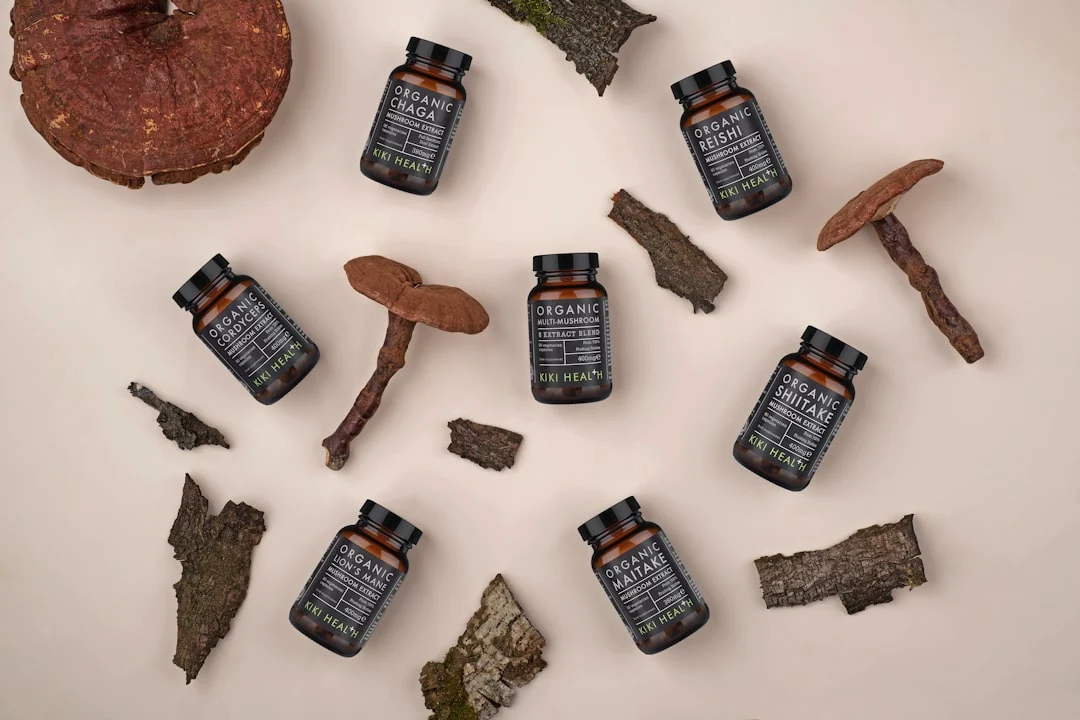
How Do Medicinal Mushrooms Improve Cancer Survival?
Explore how medicinal mushrooms like Reishi and Turkey Tail can complement standard cancer treatment by boosting immune function, reducing chemotherapy side effects, and improving overall quality of life for patients.
A cancer diagnosis presents a complex treatment path, often involving chemotherapy and radiation, which place significant stress on the body. While standard oncology practices focus on directly eliminating tumors, a growing area of interest focuses on strengthening the patient's immune response to improve outcomes and manage side effects. Medicinal mushrooms, such as Reishi and Turkey Tail, have gained attention in recent years for their potential to act as complementary therapies. However, the question remains whether these natural substances offer genuine benefits or simply provide false hope. The current body of clinical evidence suggests specific mechanisms that support immune function and reduce chemotherapy side effects, providing a clearer path for understanding their role in cancer care.
Key Takeaways for Cancer Patients
- Medicinal mushrooms are best viewed as complementary support, not a primary replacement for standard cancer treatments like chemotherapy or radiation.
- The main benefit of mushrooms like Turkey Tail and Reishi is their ability to strengthen the immune system and help the body better tolerate harsh treatments.
- Specific mushroom extracts can significantly reduce common side effects of treatment, including fatigue, anxiety, and nausea, improving overall quality of life during recovery.
- Consumers must ensure products are made from the fruiting body and standardized for key compounds like beta-glucans, rather than low-potency mycelium powders.
- Integration of medicinal mushrooms into a treatment plan requires consultation with an oncologist to prevent potential drug interactions and ensure appropriate dosing.
The Core Mechanism: Immunomodulation and Beta-Glucans
Medicinal mushrooms do not directly cure cancer. Instead, they operate through a process called immunomodulation. This refers to their ability to regulate the immune system's activity, balancing it to prevent overreaction while strengthening its response to foreign cells. For cancer patients, this means potentially boosting the activity of natural killer (NK) cells and T-cells, which are crucial for identifying and destroying cancer cells. This support mechanism is vital when conventional treatments suppress immune function. The primary active ingredients responsible for these effects are polysaccharides, specifically beta-glucans. These complex carbohydrates interact directly with immune receptors in the gut, signaling the immune system to activate various defense pathways. The specific structure and length of the beta-glucan chain determine its effectiveness. High-quality mushroom supplements are standardized to ensure consistent levels of these beta-glucans, which distinguishes them from general whole mushroom powders.
Coriolus versicolor (Turkey Tail) in Clinical Practice
Turkey Tail mushroom (Coriolus versicolor, also known as Trametes versicolor) is one of the most studied species in oncology. It contains two specific beta-glucans, PSK (polysaccharide K) and PSP (polysaccharopeptide). In Japan, PSK has been approved for decades as a prescription adjuvant therapy for various cancers, including gastric, esophageal, and lung cancers. Research indicates that combining PSK with standard chemotherapy may significantly improve survival rates and reduce side effects in specific patient populations.
Clinical studies on Coriolus versicolor (Turkey Tail) have shown significant improvements in survival rates when combined with chemotherapy for specific cancers. In Japan, PSK, a compound from Turkey Tail, has been approved as an adjuvant therapy since the 1970s, demonstrating long-term clinical use.
Reishi Mushroom (Ganoderma lucidum) and Quality of Life
Reishi mushroom (Ganoderma lucidum) is known for its triterpenoid compounds, in addition to its beta-glucans. Triterpenoids contribute to Reishi's adaptogenic qualities, helping the body manage stress. In cancer treatment, this translates to improved quality of life. Clinical trials have shown Reishi supplementation can reduce fatigue, improve sleep quality, and alleviate symptoms of anxiety and depression often experienced by patients undergoing chemotherapy.
Mitigating Chemotherapy Side Effects and Interactions
Chemotherapy's non-specific nature often damages healthy cells alongside cancer cells, leading to severe side effects like nausea, vomiting, hair loss, and immune suppression. Medicinal mushrooms, particularly Reishi and Shiitake, have demonstrated potential in mitigating these adverse effects. By enhancing white blood cell counts and supporting overall immune health, certain mushrooms help the body recover faster between chemotherapy cycles, allowing patients to complete their full course of treatment with fewer interruptions. What many articles miss is the critical importance of timing and dosage when using mushrooms alongside chemotherapy. While some mushrooms can enhance immune response, others may potentially interact with certain medications. It is crucial for patients to choose products standardized for specific compounds, such as PSK from Coriolus, rather than generic mushroom powders. Furthermore, these supplements must be initiated under strict medical guidance to avoid potentially negative interactions or ineffective dosing during active treatment.
The Impact on Cancer-Related Fatigue (CRF)
Cancer-Related Fatigue (CRF) is a pervasive and debilitating side effect for many cancer survivors. Unlike normal tiredness, CRF is often unalleviated by rest and significantly impacts daily function and quality of life. Clinical studies on Reishi and other adaptogenic mushrooms have shown promise in managing CRF. By helping to modulate the body's stress response and reduce systemic inflammation, mushrooms can improve energy levels and cognitive function during and after treatment.
Sourcing and Standardization Issues
The quality of medicinal mushroom products varies widely in the marketplace. Many commercial supplements contain only the mycelium (the root structure) grown on grain substrates, which contains high levels of starch filler but low levels of beneficial beta-glucans. To ensure efficacy, a supplement should specify that it is derived from the fruiting body (the visible part of the mushroom) and standardized to contain a guaranteed percentage of beta-glucans. This ensures the supplement provides genuine therapeutic potential rather than just nutrition.
Comparing Key Medicinal Mushrooms for Oncology Support
undefined
| Mushroom Species | Primary Active Compound | Key Benefit in Oncology Care | Clinical Trial Data (E-E-A-T) |
|---|---|---|---|
| Coriolus versicolor (Turkey Tail) | Polysaccharide K (PSK) | Adjuvant support for stomach, lung, and breast cancers; extends survival rates when combined with chemotherapy. | Approved in Japan since 1970s; multiple large-scale randomized control trials (RCTs). |
| Ganoderma lucidum (Reishi) | Triterpenoids, Beta-glucans | Improves quality of life, reduces side effects, manages cancer-related fatigue and anxiety. | Used extensively in traditional Chinese medicine; modern RCTs focus on QoL metrics. |
| Lentinula edodes (Shiitake) | Lentinan | Immunomodulation; improves immune function; reduces side effects of chemotherapy. | Approved as adjuvant therapy in Japan; studies support reduced adverse effects. |
Future Research Directions and Combination Therapies
The future of medicinal mushroom research involves exploring combination therapies and personalized medicine. Researchers are studying how specific mushroom extracts interact with different types of cancer cells at a molecular level. The focus is shifting from generic immune support to targeted strategies, such as using specific compounds to enhance the effectiveness of new immunotherapies. This approach, known as "integrative oncology," aims to create more holistic and individualized treatment plans.
Frequently Asked Questions about Medicinal Mushrooms
Can I take medicinal mushrooms during active chemotherapy treatment?
Generally, yes, but only with professional medical guidance. Some mushroom compounds may enhance the effect of chemotherapy, while others could interfere with certain medications. It is crucial to inform your oncologist or integrative specialist to ensure safety and prevent potential drug interactions.
Which mushroom species is best for cancer patients?
The most studied species are Coriolus versicolor (Turkey Tail) for its strong immune-modulating effects in human trials, and Ganoderma lucidum (Reishi) for its proven benefits in improving quality of life and reducing fatigue. The best choice depends on the specific type of cancer and the patient's primary symptoms.
Do medicinal mushrooms interact with prescription medications?
Yes, interactions are possible, although uncommon with standardized extracts. High doses of Reishi, for example, might interact with anticoagulant medications due to its potential blood-thinning properties. This highlights why medical supervision is essential to avoid contraindications.
Are mushroom supplements the same as eating whole mushrooms?
No. Most clinical studies on cancer support use highly concentrated extracts or standardized compounds, often in doses far higher than achievable by eating mushrooms as food. While whole mushrooms offer nutritional benefits, therapeutic effects generally require a standardized supplement.
