
Pioneering a NutriScience Revolution in Indonesia's Fisheries
Discover how a new small fish restocking model in Indonesia aims for a 20x production boost, combating malnutrition and enhancing food security with nutrient-rich aquatic resources. Learn about its impact on public health and economic empowerment.
Indonesia, an archipelagic nation boasting the world's second-largest aquaculture production, stands at a critical juncture in its public health narrative. Despite abundant aquatic resources that are naturally rich in essential nutrients, the country continues to grapple with significant malnutrition challenges, primarily stemming from insufficient intake of protein, crucial micronutrients, and vital essential fatty acids. In 2021, the average per capita household fish consumption in Indonesia reached merely 25.33 kg, a figure notably lower than regional counterparts such as Malaysia (52.7 kg). This disparity underscores a pressing need for innovative solutions to bridge the nutritional gap. Our editorial analysis shows that a groundbreaking new small fish restocking model, conceptualized and spearheaded by researchers Michelle Nova Lauwrhetta and Ibnu Budiman, promises a transformative impact. This initiative, unveiled on January 6, 2026, projects an astounding 20x improvement in fish production in Indonesia. Such a substantial increase is not merely an economic triumph; it represents a profound leap forward for NutriScience, offering a scalable and sustainable pathway to enhance food security and combat the pervasive issue of malnutrition across the archipelago.
Revolutionizing Indonesian Nutrition Through Sustainable Aquaculture
- A new small fish restocking model in Indonesia is projected to achieve a 20x production improvement, significantly boosting the availability of nutrient-rich food sources.
- Indonesia, a global leader in fisheries and aquaculture, faces persistent malnutrition challenges, including stunting (19.8% in 2024) and widespread micronutrient deficiencies.
- The model emphasizes small, nutrient-dense fish species, which are critical for providing essential proteins, micronutrients like iron and zinc, and vital Omega-3 fatty acids.
- This initiative holds substantial potential to enhance food security, improve public health outcomes, and contribute to the economic resilience of local communities.
- Addressing underlying issues such as low per capita fish consumption, particularly the household rate of 25.31 kg/capita/year in 2024, is crucial for maximizing the model's impact.
The Urgent Nutritional Imperative: Indonesia's Double Burden
Indonesia confronts a complex nutritional landscape characterized by a ‘double burden’ of malnutrition: the persistence of undernutrition alongside a rising prevalence of overweight and obesity. While national fish consumption has seen a positive trend, reaching 58.91 kg/capita/year in 2024, the household consumption rate, which directly impacts family diets, was 25.31 kg/capita/year in the same year, revealing a critical gap in direct dietary intake. This shortfall contributes to significant public health issues. For instance, the prevalence of stunting among children under five, a marker of chronic undernutrition, decreased to 19.8% in 2024, finally meeting the WHO target of below 20%. However, this progress is uneven, and the original government target for 2024 was a more ambitious 14%. Beyond stunting, micronutrient deficiencies remain widespread. Studies indicate high prevalence rates for zinc deficiency (38.7%) and iron (ferritin) deficiency (34.2%) among children under five, along with significant rates of anemia (23.08% in children 0-4 years in 2023). These deficiencies severely impair cognitive development, immune function, and overall health. Addressing these challenges requires not just more food, but more nutrient-dense food, precisely where small fish can play a pivotal role.
Mechanism of the Small Fish Restocking Model
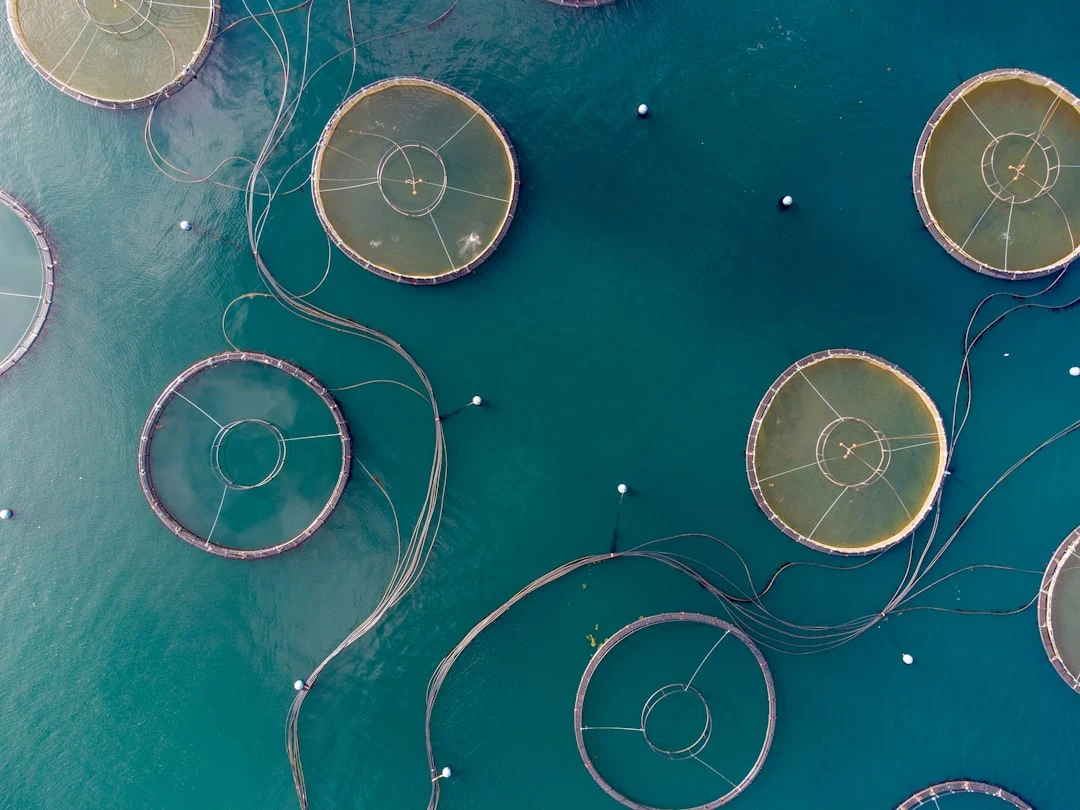
The proposed small fish restocking model is designed to leverage Indonesia's vast inland and coastal aquatic ecosystems to cultivate indigenous, nutrient-rich small fish species. Unlike large-scale aquaculture often focused on high-value export commodities like shrimp or specific finfish, this model prioritizes species that are typically consumed whole, bones and all, thus delivering a comprehensive profile of vitamins and minerals. The strategy involves localized, community-based restocking programs, enhancing natural fish populations in lakes, rivers, and ponds. This approach ensures greater accessibility for local communities, particularly in rural and remote areas where malnutrition is most prevalent. Key to its success will be the integration of sustainable aquaculture practices, including eco-friendly feed management, disease prevention, and active community participation in monitoring and harvesting. The localized nature of the model fosters a sense of ownership and minimizes logistical hurdles, ensuring a fresh, consistent supply of protein and micronutrients. The focus on these small, often overlooked, fish species is a deliberate NutriScience intervention, designed for maximum public health impact.
Indonesia's national fish consumption rate has steadily climbed to 58.91 kg/capita/year in 2024, yet household consumption remains lower at 25.31 kg/capita/year, highlighting a distribution challenge. Despite efforts, significant micronutrient deficiencies persist in children, with zinc deficiency affecting 38.7% and iron (ferritin) deficiency at 34.2% among children under five.
Projected Nutritional Impact: A 20x Boost for Public Health
The projection of a 20x production improvement from this new small fish restocking model signifies a monumental potential shift in Indonesia’s nutritional landscape. This exponential increase in output means a significantly greater availability of protein and micronutrient-rich foods for millions. Small fish species are particularly potent nutritional powerhouses; they are exceptional sources of calcium (when consumed whole), B-complex vitamins, vitamin D, vitamin A, selenium, zinc, iodine, and iron. Crucially, they also provide Omega-3 and Omega-6 fatty acids (EPA and DHA), essential for brain development and cardiovascular health. Based on current market trends, by making these bioavailable nutrients more accessible and affordable, the model directly targets the root causes of stunting and micronutrient deficiencies. Our analytical insights suggest that a consistent dietary intake of these small fish can demonstrably improve growth parameters in children, boost immunity, and enhance cognitive function across age groups. This model provides a tangible solution for integrating critical nutrients into the daily diets of vulnerable populations, driving an immediate and sustained improvement in public health outcomes across the archipelago. This aligns perfectly with the goal of Revolutionizing Indonesian Nutrition.
Economic Empowerment and Sustainable Livelihoods
Beyond the direct nutritional benefits, the small fish restocking model carries profound economic and social implications for Indonesian communities. By increasing local fish production, the initiative creates new income streams and strengthens existing livelihoods for small-scale fishers and aquaculture farmers. The development of 'aquaculture villages' and promoting Good Aquaculture Practices (GAqP) further support this, as seen in government initiatives aimed at boosting sustainable fish farming. This model encourages local entrepreneurship, reduces reliance on external food sources, and builds more resilient local food systems. Women, often central to food preparation and household nutrition decisions, are likely to be key beneficiaries, gaining economic agency through participation in local fisheries. Furthermore, the focus on sustainable practices, such as responsible resource management and ecosystem protection, ensures the long-term viability of these livelihoods, safeguarding the environmental capital that underlies their economic prosperity. This comprehensive approach underscores the model's potential to foster holistic community development.
Indonesia's Nutritional and Fisheries Landscape: Key Metrics (2023-2024)
undefined
| Metric | 2023 Value | 2024 Value |
|---|---|---|
| National Fish Consumption (kg/capita/year) | 57.91 | 58.91 |
| Household Fish Consumption (kg/capita/year) | N/A | 25.31 |
| Child Stunting Rate (under 5s) | 21.5% | 19.8% |
| Child Wasting Rate (under 5s) | 8.5% | 7.4% |
| Adult Undernutrition Rate (BMI < 18.5) | 7.5% | N/A (2023 data) |
| Adult Obesity Rate (BMI ≥ 25) | 38.3% | N/A (2023 data) |
| Zinc Deficiency (children under 5) | N/A (2018 data) | 38.7% (2018 data) |
| Iron (Ferritin) Deficiency (children under 5) | N/A (2018 data) | 34.2% (2018 data) |
Analytical Insights: Scaling Challenges and Opportunities
While the projected 20x production improvement is highly encouraging, scaling such an initiative presents multifaceted challenges. One significant hurdle lies in ensuring equitable distribution and access to this increased production, especially in remote areas and among the most vulnerable populations. Logistical infrastructure, including cold chain facilities and market linkages, will be critical. Furthermore, community engagement and education are paramount to shift dietary habits and ensure sustained consumption of small fish, particularly where cultural preferences or processing difficulties exist. Based on current market trends, sustaining the ecological balance of restocked areas, preventing overfishing, and managing water quality are ongoing environmental considerations that require robust monitoring and adaptive management strategies. Policies that harmonize fishery regulations with nutritional objectives, coupled with effective farmer training programs, will be essential for successful implementation. The potential for a 20x production improvement offers an unparalleled opportunity, but its realization hinges on a coordinated, multi-sectoral approach that addresses these complexities head-on.
Future Implications for Global NutriScience
The Indonesian small fish restocking model carries significant implications extending far beyond its national borders, offering a blueprint for other developing nations facing similar challenges. Its success could validate a sustainable, ecosystem-based approach to combating malnutrition that prioritizes local food systems and nutrient-dense, accessible aquatic resources. This model aligns with global efforts to achieve Sustainable Development Goals (SDGs), particularly those related to zero hunger (SDG 2), good health and well-being (SDG 3), and life below water (SDG 14). Our editorial analysis indicates that by demonstrating how strategic aquaculture interventions can simultaneously boost food production, improve public health, and foster economic resilience, Indonesia could emerge as a leader in innovative NutriScience solutions. The lessons learned from scaling this initiative – from community mobilization to policy integration and environmental stewardship – will provide invaluable insights for shaping future global strategies for food security and sustainable health habits. The global community will closely observe Indonesia's progress as a potential model for truly impactful, nature-based nutritional solutions.
- Revolutionizing Indonesian Nutrition: Small Fish Restocking Model Projects 20x Production
- Top 10 NutritionFacts.org Videos of 2025: A Year of Breakthroughs in NutriScience
- Debunking Nutrition Myths: Ignore Misguided Diet Advice
- Nutrition Investing: Moving from Awareness to Action for Global Health
- Plant-Based Burgers: A 2024 Nutritional Deep Dive into Impossible & Beyond
- Harnessing AI to Transform the Fight Against Malnutrition
- Belensesses Market Transformation: A Catalyst for Nutrition in Nampula
- Nutrition GPA's Decade Milestone: Navigating the Future of Digital Health
Frequently Asked Questions About Small Fish Restocking and Nutrition in Indonesia
What specific nutrients make small fish so valuable for addressing malnutrition?
Small fish, especially when consumed whole, are powerhouses of micronutrients. They provide high-quality protein, essential fatty acids like Omega-3 (EPA, DHA), and critical vitamins such as A and D. They are also rich in minerals including calcium, iron, zinc, and selenium, which are vital for growth, development, and immune function, directly combating common deficiencies in Indonesia.
How does the small fish restocking model ensure environmental sustainability?
The model emphasizes sustainable aquaculture practices by focusing on indigenous species and community-led initiatives. This includes responsible stocking densities, eco-friendly feed management, and safeguarding water quality in inland and coastal ecosystems. The goal is to enhance natural fish populations without detrimental ecological impact, promoting long-term resource health and biodiversity.
What are the primary challenges to widespread adoption and success of this model?
Key challenges include ensuring equitable distribution to all communities, developing robust logistical infrastructure for fresh fish delivery, and overcoming cultural or dietary preferences that might limit small fish consumption. Additionally, sustained funding, effective policy implementation, and continuous monitoring to prevent overfishing and maintain environmental health are crucial for long-term success.
