
How Does AI Personalize Nutrition for Unique Individuals?
Discover how AI personalizes nutrition by analyzing genetics, gut microbiome data, and real-time glucose responses to create highly specific dietary recommendations for individuals.
The rise of AI-powered personalized nutrition is directly challenging the long-standing "one-size-fits-all" approach to dietary guidance. For decades, traditional nutrition advice has relied on population-level data to create recommendations for calorie intake, macronutrient ratios, and vitamin minimums. This model is collapsing under the weight of new evidence showing vast differences in individual biological responses to food. When one person thrives on a certain food, another may experience negative health outcomes from the same food. This high degree of biological variability has created a consumer confidence gap, where people are skeptical that generic advice can actually improve their health. AI addresses this gap by creating highly specific dietary plans that account for factors like genetics and gut microbiome composition.
Key Takeaways on AI Personalized Nutrition
- The shift from population-level nutrition advice to AI-driven personalization directly addresses individual biological variability.
- AI's core function in nutrition is to process complex data from genetics, gut microbiome, and real-time wearables to create predictive health insights.
- While AI provides the data analysis, a human nutritionist provides the behavioral coaching needed to make sustainable changes.
- The industry must address consumer concerns about data privacy and recommendation transparency to close the "confidence gap" and achieve widespread adoption.
The Core Mechanisms of AI Personalization
AI personalizes nutrition by analyzing vast, complex datasets, including genetic profiles, microbiome composition, activity levels, and dietary habits, to generate unique recommendations. Machine learning models identify intricate patterns and correlations that are invisible to human experts alone. This data allows AI to generate specific recommendations for meal plans, micronutrient adjustments, and lifestyle changes tailored to an individual’s unique biological responses, addressing the variability between people.
The Role of Genetic Data and Nutrigenomics
AI analyzes an individual's genetic data to understand how specific genes affect nutrient metabolism and absorption. This field, known as nutrigenomics, studies how food components influence gene expression. For example, some individuals carry specific gene variants that make them highly sensitive to caffeine metabolism or increase their need for certain B vitamins. By analyzing this genetic code, AI can predict individual responses to different foods and nutrients before any food is consumed. This predictive capability helps optimize diets for long-term health and disease prevention.
The cost of personalized nutrition services varies significantly, ranging from free or low-cost apps to comprehensive services involving DNA and microbiome testing that can cost between $200 and over $1,000. Leading platforms like InsideTracker analyze over 40 biomarkers to provide tailored recommendations, while others focus on real-time data from continuous glucose monitors.
The Impact of Microbiome Analysis
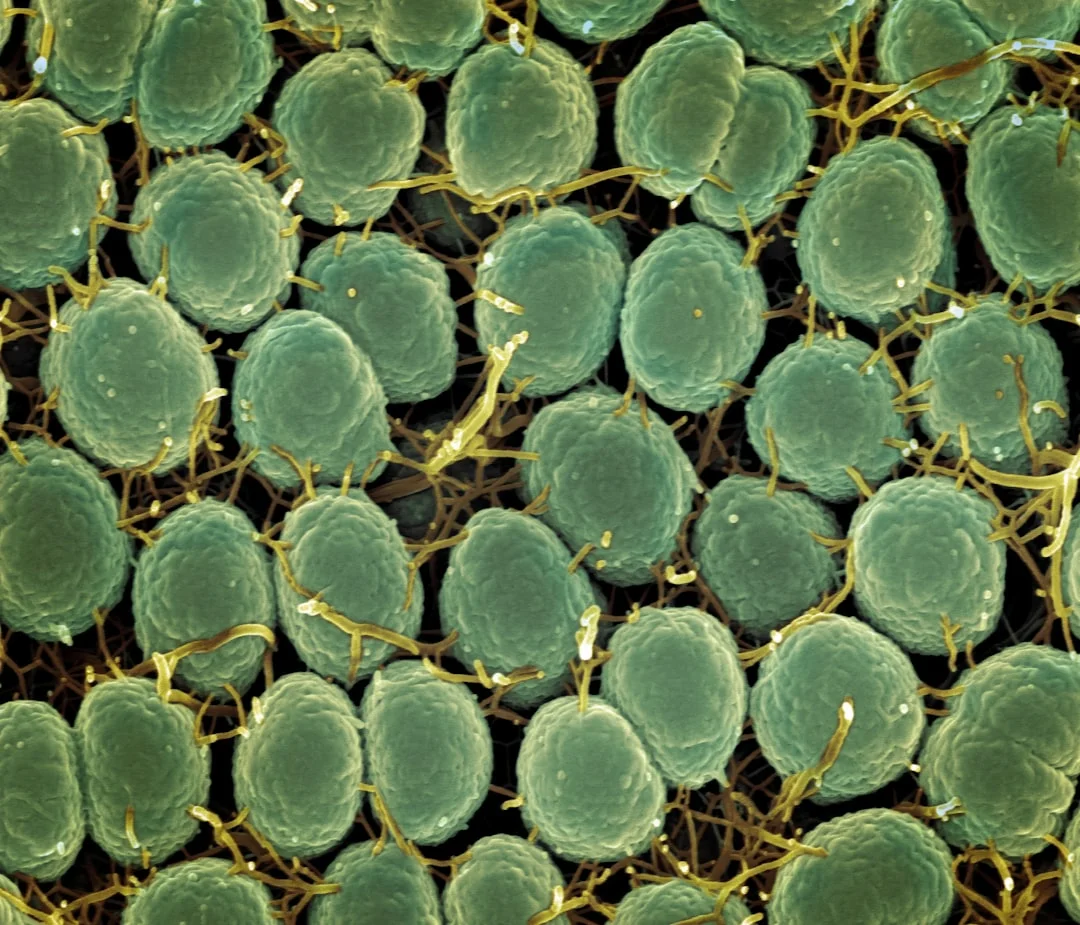
The gut microbiome contains trillions of bacteria that vary drastically between individuals. The composition of this microbiome dictates how a person processes complex carbohydrates and certain nutrients. AI-powered platforms analyze stool samples to identify an individual's unique microbial signature and its impact on blood sugar response and overall health. For example, AI can identify specific strains of bacteria that process fiber efficiently, and recommend foods to support those strains, thereby improving overall metabolic health.
Real-Time Data from Continuous Glucose Monitors (CGMs)
AI's power extends beyond static genetic tests to include real-time data from wearables. Continuous Glucose Monitors (CGMs) provide a constant stream of information on how a person’s blood sugar responds to different foods, exercise, and stress. AI algorithms analyze this data to identify patterns in blood sugar spikes after specific meals. This allows for immediate, actionable feedback and helps fine-tune dietary choices. This real-time loop enables dynamic adjustments to a personalized nutrition plan based on daily physiological responses.
The AI's Predictive Modeling Process
AI utilizes machine learning algorithms to perform "predictive modeling" rather than simply offering correlations. It ingests massive amounts of data—from personal habits to large-scale studies—and identifies complex relationships between inputs and health outcomes. This allows the system to predict how a specific dietary intervention, such as increasing fiber intake or reducing saturated fat, will likely impact an individual's metabolic health based on their unique biological profile.
How AI Clarifies Confusion About Causation
What many articles miss is the difference between correlation and causation in nutrition research. Traditional studies often find correlations (e.g., people who drink coffee tend to live longer), but struggle to establish a causal link due to countless confounding factors. AI helps overcome this by analyzing multi-dimensional data simultaneously (genetics, lifestyle, and environment). This enables the identification of deeper, more direct causal pathways between a specific food and an individual’s biological response, making recommendations more targeted and effective.
The AI-Human Collaboration Model
AI is not designed to replace human nutritionists but to augment them. While AI can process complex data and generate a data-driven plan, human dietitians provide the crucial elements of empathy, behavioral support, and accountability. The best-performing personalized nutrition programs use AI for technical analysis and a human expert for coaching and adaptation. This combined approach addresses both the biological data and the real-world challenges of sustaining dietary changes.
Addressing the Consumer Confidence Gap
The "confidence gap" in personalized nutrition is driven by concerns about data privacy and the accuracy of recommendations. Consumers question if their highly personal information (DNA, microbiome data) is safe. To overcome this skepticism, leading companies are now focusing on transparency in data handling and clear explainability of their algorithms. As an example, some platforms show users exactly how their blood glucose response led to a specific recommendation, building trust through evidence.
Personalized Nutrition Market Landscape (Early 2026)
undefined
| AI-Powered Nutrition Provider | Key Technology Focus | Primary Data Source | Core Service Offering |
|---|---|---|---|
| Zoe | AI-driven analysis of metabolic responses and gut microbiome. | At-home stool sample test, continuous glucose monitoring. | Personalized food scores and real-time advice to optimize blood sugar control. |
| Viome Life Sciences | Metatranscriptomics (RNA sequencing) of gut microbiome. | At-home stool sample test. | Individualized food recommendations and customized probiotic supplements. |
| InsideTracker | AI analysis of blood biomarkers and genetics. | At-home blood sample test, DNA swab. | Optimized nutrition and lifestyle recommendations based on 40+ biomarkers. |
| DayTwo | Microbiome analysis for blood sugar prediction in pre-diabetes/diabetes. | At-home stool sample test. | Personalized meal plans designed to prevent high blood sugar spikes. |
- Why AI Personalized Nutrition Outperforms One-Size-Fits-All Diets
- How Is AI Revolutionizing Personalized Nutrition for Chronic Disease?
- The AI Revolution in Dietetics: Moving Beyond One-Size-Fits-All Nutrition
- The Metabolic Shift: How AI and Wearable Tech Are Ending Generic Nutrition Advice
- Why Are AI Nutrition Advisors Needed for Supplement Decisions?
- AI Wellness Advisors: Personalizing Nutrition with Data and Technology
- Debunking Nutrition Myths: Ignore Misguided Diet Advice
- The Future of Food: Key NutriScience Trends Reshaping Health in 2026
Frequently Asked Questions About Personalized Nutrition
How do AI nutrition platforms handle data privacy?
Companies in this field must adhere to strict data regulations, such as HIPAA in the US and GDPR in Europe. Many providers use de-identified data for analysis and require explicit consent before any data is collected. It is essential for users to read a company's data privacy policy before sharing biological information.
Is AI personalized nutrition effective for weight loss?
Yes, but indirectly. AI identifies foods that trigger a negative metabolic response in an individual, such as blood sugar spikes. By recommending alternatives that stabilize blood sugar and optimize metabolic function, AI helps individuals naturally regulate appetite and reduce cravings, which are key components of sustainable weight management.
How much does personalized nutrition cost?
The cost varies widely based on the depth of analysis. Simple AI-powered meal planning apps may be free or cost under $10 per month, while comprehensive services involving DNA and microbiome testing can range from $200 to over $1,000 for the initial kit and subscription.
Is AI more accurate than a human dietitian?
AI's strength lies in its ability to process a larger volume of data (genetics, metabolomics) than a human can manually synthesize. However, a human dietitian provides crucial real-world context, emotional intelligence, and accountability that AI cannot replicate. The optimal solution often involves collaboration between the two.
