
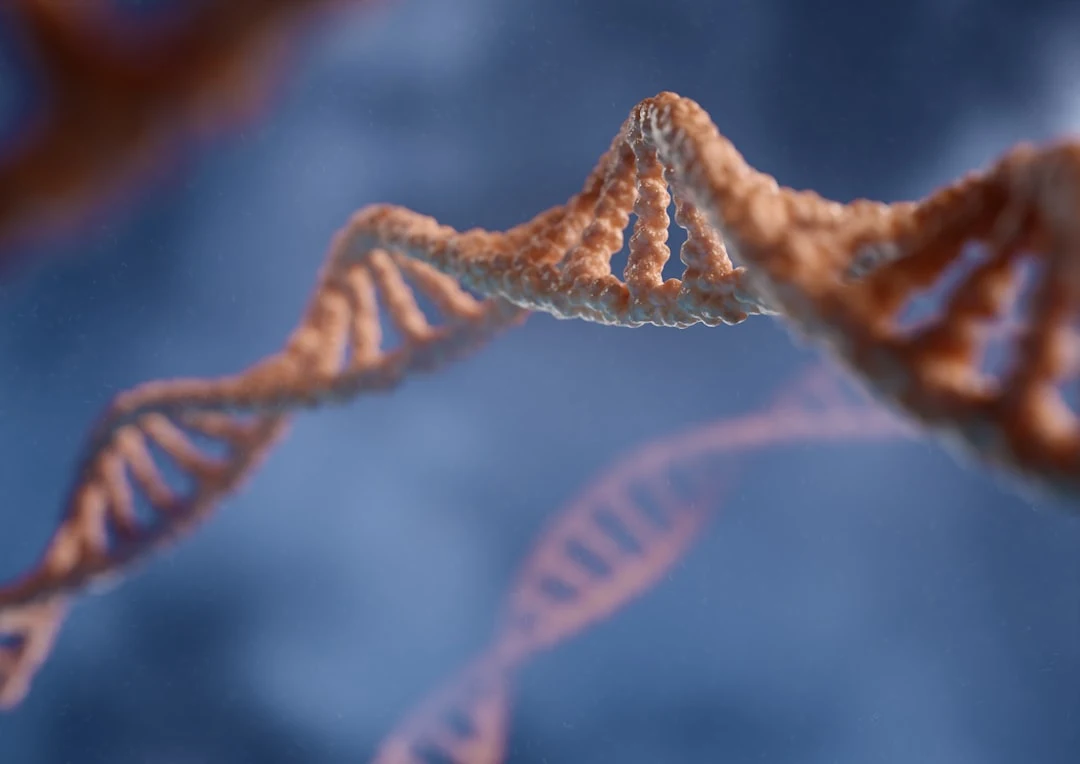
How Will AI Decoding the Foodome Change Personalized Nutrition?
Learn how AI is decoding the foodome to revolutionize personalized nutrition. Discover how integrating genetics, metabolomics, and microbiome data creates precise dietary plans for individual health, moving beyond one-size-fits-all advice.
For decades, nutritional advice has relied on broad guidelines, often failing to address individual biological variability. Standard dietary recommendations, such as those promoting a general "healthy diet," frequently produce inconsistent results because they ignore a person’s unique genetic makeup, gut microbiome, and metabolic responses to specific foods. This one-size-fits-all approach has contributed to rising rates of diet-related chronic diseases and confusion about effective health strategies. A new frontier in nutritional science, powered by advanced artificial intelligence, is changing this paradigm by focusing on a concept known as "the foodome." This innovation promises to move beyond generic advice, offering precise and highly individualized dietary recommendations based on a person's complete biological data.
Key Insights into AI and Nutrition
- The foodome represents the total chemical interaction between diet and individual biology.
- AI enables the analysis of thousands of data points (genetics, metabolomics, microbiome) to create highly individualized dietary plans.
- AI analysis moves beyond traditional population-based advice by identifying specific metabolic responses to food.
- Widespread adoption faces challenges related to data privacy, standardization, and high costs of individual testing.
- The technology promises to shift disease management from reactive treatment to proactive, personalized prevention based on precise dietary adjustments.
What Is the Foodome and Why Does It Matter?
The foodome is a concept representing the entirety of chemical compounds found in food and how they interact with an individual's body. Unlike traditional nutritional analysis focused on basic macros and vitamins, the foodome encompasses thousands of bioactive molecules, including polyphenols, prebiotics, and postbiotics. It recognizes that food is a complex chemical mixture, not just a list of ingredients. By mapping these interactions on an individual level, scientists can identify which specific compounds are beneficial or detrimental to a person's unique physiology. This level of detail offers a complete picture of diet-related health impacts.
The Problem with Traditional Nutritional Advice
Conventional dietary guidelines are often based on population-level epidemiological studies. These studies identify correlations between specific dietary patterns and health outcomes across large groups. While helpful for broad public health recommendations, this methodology fails to account for the high degree of inter-individual variability. For example, a food considered healthy for one person might cause inflammation or metabolic disruption in another due to genetic differences. Traditional advice overlooks these variations, leading to a trial-and-error approach for individuals struggling with diet-related issues.
AI-driven foodome analysis integrates thousands of data points from sources like genomic sequencing and metabolomics. While basic nutrigenomic testing exists, comprehensive AI-driven analysis is currently in advanced clinical trials, with widespread consumer availability predicted within the next 3 to 5 years.
How AI Decodes the Foodome for Precision
Artificial intelligence, specifically machine learning algorithms, makes the foodome concept actionable. The foodome generates massive amounts of data from various sources—genomic sequencing, microbiome analysis, and continuous glucose monitoring. AI systems process these inputs, identifying complex patterns that are invisible to human analysis. For example, AI can analyze how a specific combination of nutrients affects gene expression in real time, rather than relying solely on post-mortem analysis of symptoms. This allows AI to predict the specific metabolic impact of a food combination before it is consumed.
The Role of Metabolomics in Personalized Recommendations
Metabolomics is a key component of foodome analysis. It involves measuring small-molecule metabolites found within cells, tissues, and fluids, which reflect an individual's biochemical response to food consumption. By analyzing a person's unique metabolomic profile, AI can determine how efficiently they break down specific fats, proteins, or carbohydrates. This shifts the focus from "what" a person eats to "how" their body processes it. For instance, a person with a particular genetic variation might struggle to metabolize certain compounds found in common foods, and AI can pinpoint this issue precisely.
Moving Beyond Generic Diet Recommendations
What many articles miss is the fundamental difference between personalized nutrition and standard "DNA diet tests." While simple DNA tests might indicate genetic predisposition for certain conditions, they rarely provide actionable advice or account for dynamic environmental factors. AI decoding the foodome goes further by integrating real-time data from wearables and continuous monitoring. This dynamic approach allows recommendations to adapt based on current lifestyle factors like sleep, stress levels, and exercise. A user's dietary plan can adjust automatically in response to their body's changing needs, rather than remaining static.
The Impact on Chronic Disease Management
This precision approach holds significant promise for managing chronic diseases like Type 2 diabetes, high blood pressure, and inflammatory bowel disease (IBD). AI analysis of the foodome helps identify dietary triggers that exacerbate these conditions. For a diabetic patient, AI can analyze their unique glucose response to different types of carbohydrates, suggesting specific food choices that maintain stable blood sugar levels. For IBD patients, AI can pinpoint specific food additives or fibers that cause inflammation, providing clear avoidance strategies based on individual biomarkers.
Timeline of Personalized Nutrition Milestones
undefined
| Year | Milestone/Technology | Level of Personalization | Limitation |
|---|---|---|---|
| 1990s | Food Pyramid Guidelines | Population-level | One-size-fits-all, no individual data |
| Early 2200s | Nutrigenetics Research | Genetic predisposition to disease risk | Based on single gene variants; limited actionable advice |
| Mid-2010s | Simple DNA Diet Tests | Basic recommendations based on genetic markers | Static data, ignores dynamic environmental factors |
| Late 2010s | Continuous Glucose Monitoring (CGM) | Real-time metabolic response to food | Limited to glucose data; requires manual interpretation |
| Early 2020s | AI Foodome Analysis | Dynamic, integrated data from genetics, microbiome, metabolome | Cost of data collection; data privacy concerns |
Challenges to Widespread Adoption
While the technology offers immense potential, challenges remain regarding widespread implementation. The primary barriers are cost and data privacy. Collecting the necessary data—genetic sequencing, metabolomic analysis, and continuous monitoring—is currently expensive and requires specialized interpretation. Furthermore, this type of analysis generates extremely sensitive personal health data, raising significant concerns about privacy, data security, and potential misuse by insurance or food companies. As of early 2026, standardization and cost reduction are major focuses for researchers in the field.
- How AI Changes Personalized Nutrition and Health Tracking
- What Is AI Personalized Nutrition and How Does It Work?
- AI Personalized Nutrition: How AI Personalizes Diets for Individuals
- How Is AI Revolutionizing Personalized Nutrition for Chronic Disease?
- How Will AI Change Personalized Nutrition Recommendations?
- How AI and GLP-1 Drugs Are Redefining Personalized Nutrition
- The AI Revolution in Dietetics: Moving Beyond One-Size-Fits-All Nutrition
- Why AI Personalized Nutrition Outperforms One-Size-Fits-All Diets
Frequently Asked Questions About AI and Personalized Nutrition
How is foodome analysis different from a simple food allergy test?
A simple allergy test identifies specific immune system reactions to certain foods, often resulting in immediate physical symptoms. Foodome analysis, however, examines long-term metabolic and inflammatory responses to food compounds, identifying subtle interactions that may affect overall health without immediate allergic reactions.
How soon will this be available to the general public?
Some aspects of personalized nutrition, such as basic nutrigenomic testing, are already available. However, comprehensive, AI-driven foodome analysis integrating all data types (microbiome, metabolomics, genetics) is currently in advanced clinical trials. Widespread, affordable availability for consumers is predicted within the next 3 to 5 years.
Does this mean I will have to follow a very strict, complex diet?
Not necessarily. The goal of foodome analysis is to identify specific foods that negatively affect your unique physiology. By identifying these few triggers and providing a personalized blueprint, AI aims to simplify decisions and provide greater flexibility within a tailored framework, rather than imposing generic restrictions.
Is AI reliable in this complex field?
AI models for foodome analysis are highly reliable at pattern recognition when trained on sufficiently large and diverse datasets. While they are a powerful tool for interpretation, the input data—such as accurate genetic and metabolic readings—are crucial. The data quality and validation methods are key areas of ongoing research.
